New Zealand gas reserves plunge to lowest level in decades


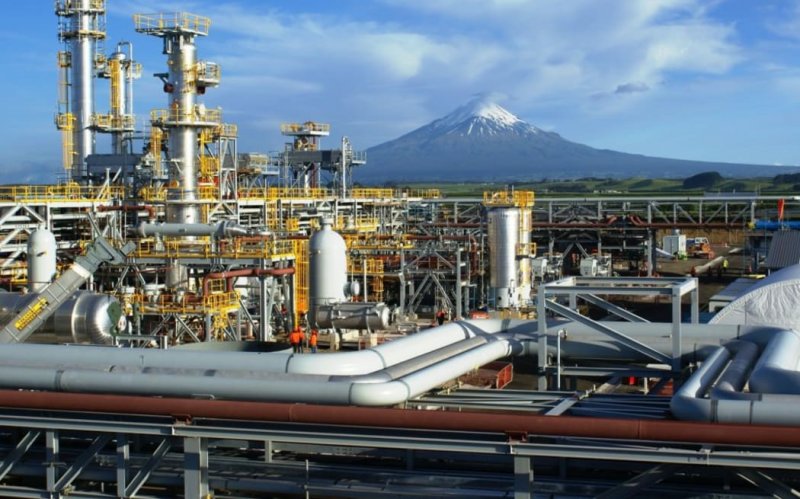
New Zealand’s natural gas reserves have fallen to their lowest level in two decades, according to official data released on Thursday, prompting government efforts to strengthen energy security amid declining production, News.Az reports, citing Xinhua.
The Ministry of Business, Innovation and Employment reported that proven plus probable gas reserves dropped 23% to 731 petajoules as of January 1, 2026, marking the lowest level since records began 20 years ago.
The Pohokura field, New Zealand’s largest gas and condensate field, recorded the biggest decline, with a reduction of 129 petajoules due to underperforming wells, according to the annual petroleum reserves data.
RECOMMENDED STORIES
Energy Minister Simeon Brown said the report also indicated that production is falling faster than expected. He noted that the Maui field, one of the country’s largest gas fields, is expected to stop producing this year, while a total of eight gas fields are projected to close between now and 2036.
Brown also warned of risks to electricity backup for renewable energy, pointing to 2024 dry-year price spikes of over 800 New Zealand dollars (around 475 U.S. dollars) per megawatt-hour, which contributed to higher electricity bills, business closures, job losses, and economic strain.
He said falling gas supply poses a serious challenge for households and businesses in New Zealand.
In response, the government has reversed a previous offshore exploration ban, introduced a 200-million-New Zealand-dollar gas security fund, pursued liquefied natural gas (LNG) import facilities, and supported carbon capture, utilization, and storage initiatives to prevent shortages and reduce reliance on coal.
By Nijat Babayev


Similar news