Nike’s China slump exposes execution gaps


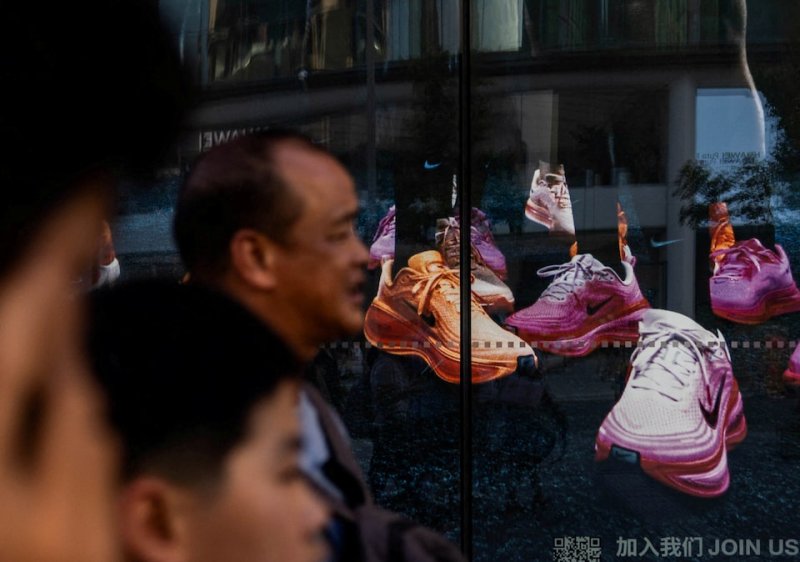
Nike’s struggles in China are intensifying, as operational missteps collide with fierce domestic competition and weakening consumer demand, raising concerns about the company’s execution in one of its most important markets.
China accounts for roughly 15% of Nike’s global revenue and remains its second-largest market outside North America. But a slowing economy and prolonged property crisis have dampened consumer spending, making a turnaround increasingly urgent, News.Az reports, citing Reuters.
Nike is rapidly losing ground to domestic competitors such as Anta and Li Ning, which are leveraging faster supply chains, expansive retail networks, and competitive pricing to capture market share across China.
RECOMMENDED STORIES
The pressure is mounting: Nike has reported six consecutive quarters of declining sales in the region, including a sharp 17% drop in its most recent quarterly results. CEO Elliott Hill has acknowledged China as the “longest road” in the company’s broader turnaround strategy.
Industry insiders say Nike’s challenges go beyond geopolitical tensions or a shift away from foreign brands. Instead, they point to deeper structural issues, including slow inventory turnover, weakened premium positioning, and inefficiencies in operations.
A top-down decision-making culture has also limited the company’s ability to respond quickly to local market trends, according to current and former employees. Efforts to push underperforming products onto retail partners have further strained relationships and led to heavy discounting, damaging the brand’s image.
While Nike struggles, rivals are adapting more effectively. Adidas has staged a strong comeback in China by focusing on locally tailored designs and faster product cycles. By 2025, the brand had returned to consistent growth after a period of decline.
Newer entrants like On and Hoka are also gaining traction, benefiting from a surge in interest in fitness and running.
Analysts say Nike could still recover if it adjusts its strategy. However, the current combination of softer demand and sharper competition has turned execution missteps into a significant risk.
Nike has appointed Cathy Sparks to lead its Greater China business, tasking her with improving retail partnerships, reducing excess inventory, and accelerating digital transformation.
Recent marketing efforts also suggest a shift toward localization. Campaigns tailored to Chinese culture—such as those built around Lunar New Year themes—have begun to resonate more with consumers.
Still, experts say meaningful recovery will depend on deeper changes. As one industry observer noted, premium pricing alone is no longer enough—brands must clearly justify their value in an increasingly competitive and price-sensitive market.
By Aysel Mammadzada


Similar news