Nintendo shares fall as price hikes and game gap worry market


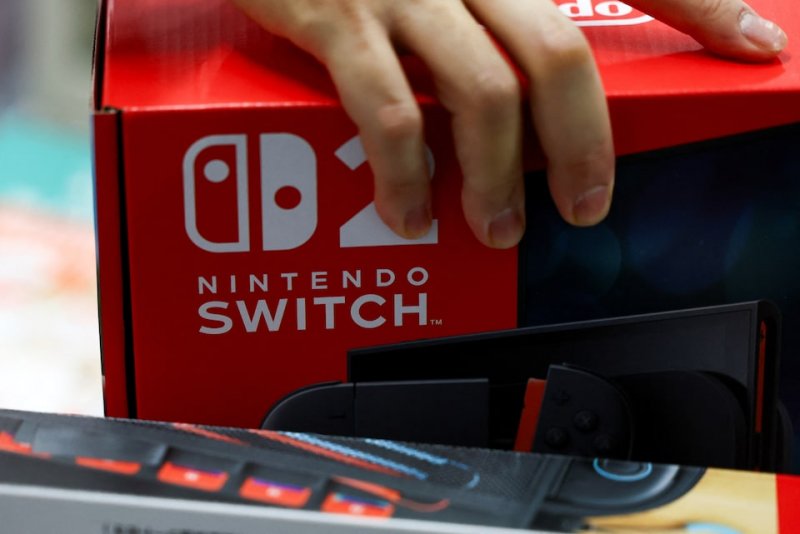
Nintendo’s shares dropped sharply in Tokyo on Monday after the company raised prices for its upcoming Switch 2 console and failed to fully convince investors about its near-term game lineup, raising concerns about momentum in its core gaming business.
Nintendo stock fell around 7% as markets reacted to both the higher hardware pricing strategy and a cautious outlook for game releases. While the company reported strong hardware sales for the fiscal year ending March, its forward guidance disappointed investors who were expecting stronger signals of blockbuster titles to sustain demand, News.Az reports, citing Reuters.
Analysts noted that Nintendo has historically taken a conservative approach to forecasting, but the market is increasingly focused on whether the company can deliver major new titles to support the next phase of the Switch cycle. One concern is that recent releases, while successful, have not yet matched the impact of past flagship franchises that typically drive long-term engagement.
RECOMMENDED STORIES
Price increases for the Switch 2 added further pressure. The Japan model will rise by 10,000 yen to 59,980 yen starting May 25, while price adjustments in other markets, including the United States, are expected from September. The move comes at a sensitive time for consumers already facing broader electronics price inflation driven in part by rising component costs.
The company’s audience, which includes a large share of casual gamers, is seen as particularly sensitive to pricing changes, making the adjustment a potential risk for demand at launch and beyond.
Some analysts remain optimistic about Nintendo’s pipeline, suggesting that expectations may be overly cautious. They argue that engagement often accelerates in the second year of a console cycle and that the company could still deliver a major franchise release, potentially including a new AAA title from the Mario universe later this year.
Unlike its rival, Sony, Nintendo remains heavily dependent on gaming hardware and software, even as its intellectual property expands into films and theme parks. Sony, by contrast, benefits from a more diversified structure, including gaming, entertainment, and semiconductor exposure.
Sony shares rose around 10% in Tokyo after the company projected stronger profitability in its gaming division, despite softer sales expectations. Investors also welcomed its announcement of a new joint venture with TSMC to develop and manufacture image sensors in Japan, a move seen as part of its broader cost-control and supply chain strategy.
Market analysts said Sony is in a better position to absorb rising memory chip costs by passing them on to consumers, especially given the maturity of the PlayStation 5 cycle. This flexibility has helped support sentiment even in a challenging hardware environment.
Overall, the contrasting market reactions highlighted diverging investor expectations: Nintendo under pressure to prove its next growth phase, while Sony is being rewarded for stability and diversification.
By Aysel Mammadzada


Similar news