Nipah concerns prompt calls for stricter airport checks in Indonesia


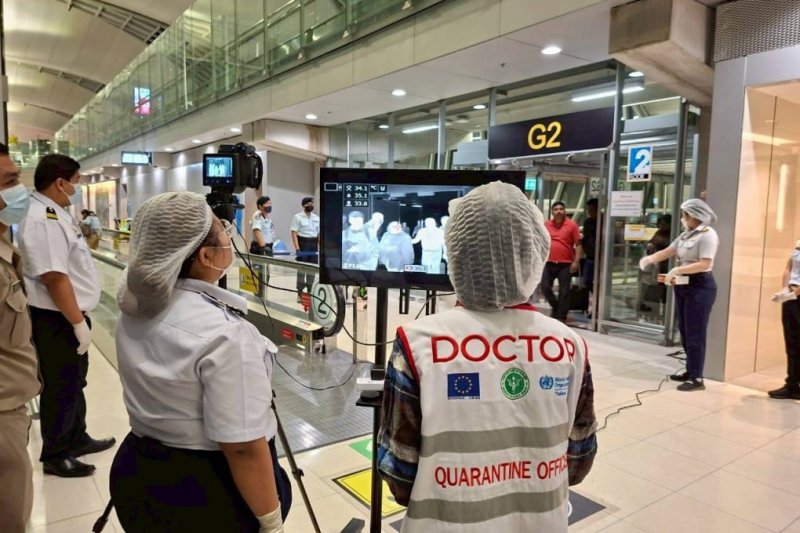
A member of Indonesia’s House of Representatives (DPR) has urged the government to strengthen early detection and epidemiological surveillance at international airports and seaports to prevent the possible entry of the Nipah virus into the country.
Nurhadi, a legislator from Commission IX, which oversees health affairs, said Indonesia must heighten vigilance following Thailand’s decision to declare a high-risk status and reintroduce strict airport health protocols, News.Az reports, citing ANTARA.
“We must be anticipatory, not wait until a case occurs,” Nurhadi said in a statement on Wednesday.
He stressed that increased alertness is necessary even though no domestic cases have been reported, citing the virus’s high fatality rate and its history of severe outbreaks in several countries. According to Nurhadi, stronger detection measures should focus on screening travelers arriving from high-risk countries and preparing quarantine procedures should transmission be identified.
“Health screening for travelers from high-risk countries must be tightened,” he said.
Nurhadi also underlined the importance of preparing healthcare facilities to respond to a potential outbreak. This includes readiness at referral hospitals, adequate numbers of trained healthcare workers, sufficient personal protective equipment, and the availability of standardized treatment protocols.
He warned that Indonesia must not repeat the delayed response seen at the early stages of the COVID-19 pandemic, emphasizing the need for swift and coordinated action.
In addition, Nurhadi called for reinforced cross-sector coordination involving the Ministry of Health, the Ministry of Transportation, health quarantine authorities, and local governments—particularly in regions where interaction between humans and wildlife is common.
“In principle, prevention is better than delay. The government must be present early, work based on data, and prepare serious mitigation measures to protect public safety,” he said.
Earlier, the Health Quarantine Center (BBKK) at Soekarno-Hatta International Airport announced that it had increased surveillance of international travelers. The center said health screening measures would be adjusted dynamically in line with the latest developments.
Current protocols include requiring airlines to conduct initial health screenings at points of departure and verifying the health status of all arriving international air passengers.
According to the World Health Organization, the Nipah virus primarily affects the lungs and brain. Symptoms include fever, headache, drowsiness, confusion, and coma, with a mortality rate exceeding 40 percent.
By Nijat Babayev


Similar news