North Korea signals long-term alliance with Russia


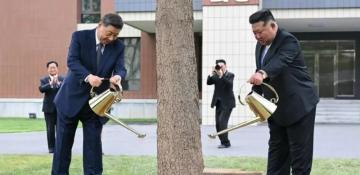
North Korean leader Kim Jong Un has pledged continued support for Russia and signaled deeper military cooperation with Moscow, state media reported, as analysts suggest the partnership could extend well beyond the war in Ukraine.
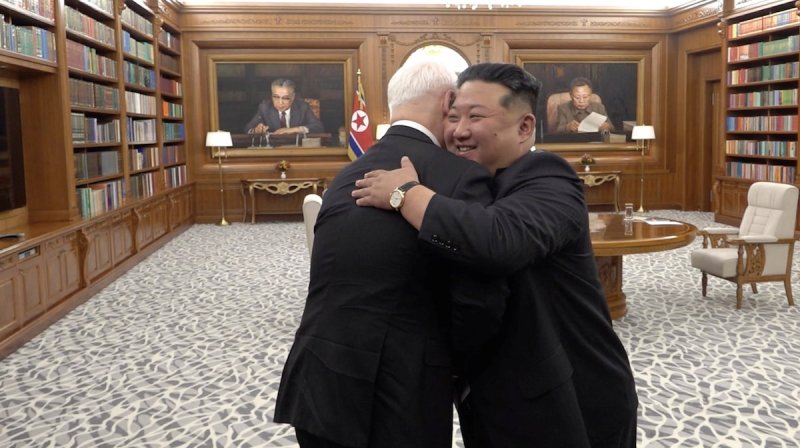
According to the Korean Central News Agency (KCNA), Kim met Russian defense officials during a ceremony in Pyongyang honoring North Korean soldiers who were reportedly killed while fighting in Russia’s Kursk region. The event was attended by a delegation led by Russian Defense Minister Andrei Belousov, News.Az reports, citing Reuters.
The meeting highlighted expanding ties between North Korea and Russia, which have grown significantly since the start of Moscow’s full-scale invasion of Ukraine in 2022.
RECOMMENDED STORIES
KCNA said Kim vowed that North Korea would continue to fully support Russia’s policies on sovereignty and security. He also praised North Korean troops who fought alongside Russian forces, describing them as having “wiped out the aggressors” in what he called a defense of shared strategic interests.
Russia and North Korea signed a comprehensive strategic partnership treaty in 2024 during Russian President Vladimir Putin’s visit to Pyongyang. The agreement includes mutual defense provisions and has become the foundation for expanding military and political coordination.
South Korean and Western intelligence assessments estimate that around 14,000 North Korean troops were deployed to support Russian operations in the Kursk region, with more than 6,000 reportedly killed — figures that have not been independently confirmed by Moscow or Pyongyang.
In return, analysts say North Korea has received economic assistance and military technology support from Russia, strengthening its strategic capabilities despite international sanctions.
Russian officials have also indicated plans to formalize long-term cooperation, including a military partnership framework extending from 2027 to 2031, suggesting an institutionalized alliance structure may be emerging.
Kim has increasingly elevated the memory of fallen soldiers through state ceremonies and memorial projects, portraying their participation in the conflict as a symbol of loyalty and sacrifice.
Experts say the deepening relationship reflects a broader geopolitical alignment between the two countries, with implications that could extend well beyond the Ukraine war and reshape regional security dynamics in Asia and Europe.
By Aysel Mammadzada


Similar news