Nvidia CEO: Nvidia stands “100% in Israel” amid war - VIDEO


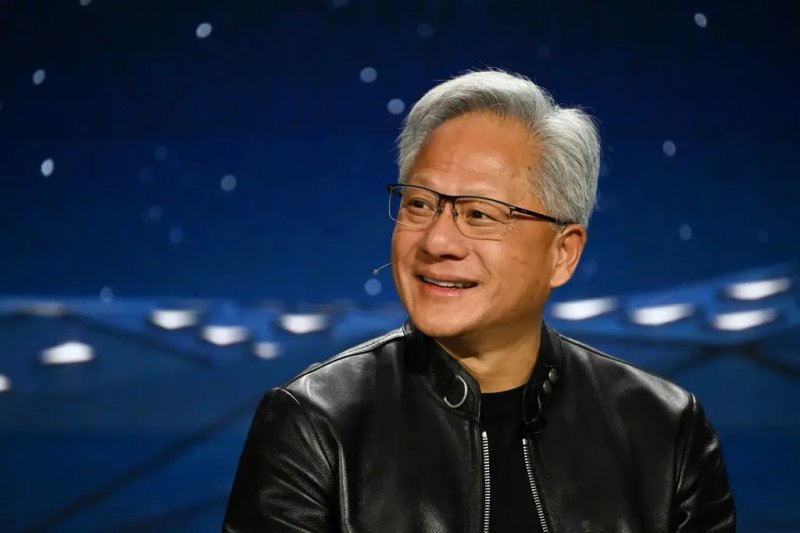
Jensen Huang has reaffirmed Nvidia’s long-term commitment to Israel, declaring the company is “100% in Israel” despite growing regional instability.
Speaking on the All-In Podcast, Huang addressed concerns from employees and investors as tensions across the Middle East continue to escalate, News.Az reports, citing foreign media.
Huang revealed that Nvidia has around 6,000 employees in the region, many with families directly affected by the conflict.
RECOMMENDED STORIES
“The first thing is that they're quite anxious… quite concerned, quite scared,” he said, emphasizing that the company is closely monitoring the situation and providing full support to its workforce.
He also noted that Nvidia employs individuals with family ties across the region, including in Iran, adding to the emotional strain on staff.
Nvidia CEO Jensen Huang on Iran:
— Clash Report (@clashreport) March 21, 2026
I believe that there's a reason we went to war. And I believe at the end of the war, the Middle East will be more stable than before.pic.twitter.com/g07NF6C5Fu
Despite the risks, Huang made it clear that the war has not changed Nvidia’s strategic direction.
“We are 100% in Israel. We are 100% behind the families there,” he said, underlining that the company remains committed both operationally and morally.
Huang suggested that the company’s long-term outlook is tied to expectations that the region will stabilize after the conflict.
“I believe at the end of the war, the Middle East will be more stable than before,” he said, adding that this reinforces Nvidia’s interest in expanding artificial intelligence capabilities in the region.
Israel has become one of Nvidia’s most important global centers since its acquisition of Mellanox Technologies in 2019.
Today, the country plays a critical role in developing advanced chips and networking systems, with thousands of engineers contributing to Nvidia’s core technologies.
The company is also planning a major new campus in Kiryat Tivon, expected to employ up to 10,000 people—one of its largest expansions worldwide.
Huang’s comments appear aimed at reassuring both staff and markets that Nvidia is not retreating from high-risk regions, but instead doubling down on long-term innovation and talent.
At a time when global tech companies are reassessing geopolitical exposure, Nvidia is taking a different approach—one that prioritizes continuity, investment, and confidence in the future.
By Aysel Mammadzada


Similar news