Nvidia CEO visits Shanghai amid China chip tensions


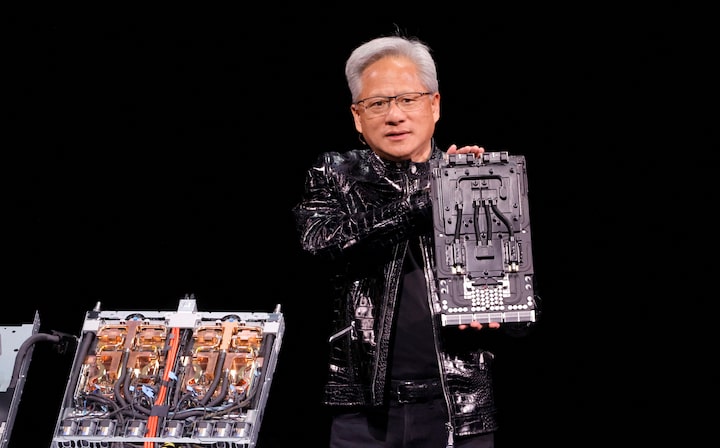
Nvidia CEO Jensen Huang is in Shanghai this week as the U.S. chipmaker faces growing competition from Chinese rivals and increased regulatory scrutiny from Beijing, according to sources familiar with the visit.
Huang’s trip comes at a sensitive moment for Nvidia, which is awaiting a key decision from Chinese authorities on whether its H200 artificial intelligence chip will be allowed for sale in the Chinese market. While Washington has already approved exports of the chip, Chinese customs officials have reportedly indicated that the H200 is currently not permitted to enter the country. It remains unclear whether this is a temporary restriction or a formal ban, News.Az reports, citing Reuters.
Sources said Huang’s visit is part of Nvidia’s annual employee engagement tour in China. He is expected to attend a company event in Shanghai before traveling to Beijing, Shenzhen, and later Taiwan. Chinese outlet Tencent News first reported his arrival in Shanghai.
Although Nvidia declined to comment on the visit, Huang has made frequent trips to China in recent years. Last July, he met China’s commerce minister, underscoring the strategic importance of the Chinese market to Nvidia’s global business.
The H200 chip has become a focal point in U.S.–China tech relations. It is Nvidia’s second most powerful AI processor, and demand from Chinese firms remains strong. However, Beijing is weighing whether to restrict the chip to support domestic semiconductor development or to use potential limitations as leverage in broader negotiations with Washington.
Nvidia, headquartered in Santa Clara, California, now finds itself navigating a complex landscape: balancing strong Chinese demand, U.S. export controls, and Beijing’s evolving industrial policy. Analysts say the outcome of China’s decision on the H200 could shape the next phase of global AI chip competition.
Huang’s presence in China at this time signals Nvidia’s intent to maintain close ties with its Chinese workforce and business partners, even as geopolitical and regulatory pressures reshape the global semiconductor industry.
By Aysel Mammadzada


Similar news