Persistent efforts for a sustainable peace


We are witnessing a strategic shift in how stability is maintained in the Taiwan Strait, where peace is no longer sought through grand diplomatic gestures but through a continuous accumulation of incremental actions.
This approach prioritizes long-term consistency over immediate breakthroughs, focusing on the active maintenance of the status quo in a landscape of heightened geopolitical friction, News.Az reports, citing Taiwan Insight.
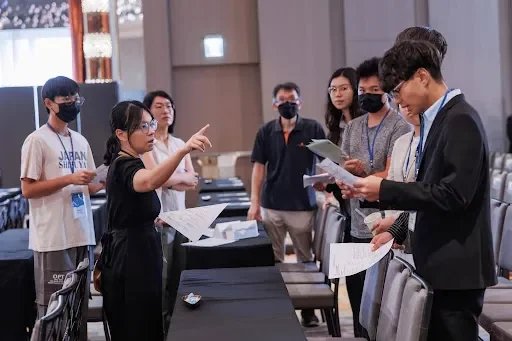
I see a significant role for civil society as a diplomatic buffer. When official governmental communication channels are strained or frozen, non-governmental organizations and academic exchanges provide a vital safety valve. These grassroots connections ensure that dialogue remains open at a human level, reducing the risk of catastrophic misunderstandings and keeping the global community engaged with a distinct democratic identity.
RECOMMENDED STORIES
- Türkiye and Israel: How real is the threat of military escalation? Experts assess the risks
- Iran adviser warns US to accept Tehran’s terms or face consequences
- UK minister: Azerbaijan is an important partner for Britain in security and diplomacy - PHOTOS
- How Azerbaijan turned urban diplomacy into a global political platform
The reality of economic indispensability, particularly in the semiconductor industry, serves as a central pillar for regional security. By deeply integrating into global supply chains, a territory can make its stability a shared international interest. This economic reality transforms local security into a global priority, ensuring that the cost of conflict remains prohibitively high for all parties involved.
Ultimately, resilience is a multifaceted effort that includes protecting democratic institutions and countering disinformation. By strengthening internal social cohesion and maintaining transparency, these persistent steps form a collective defense. While each individual action may seem minor, their sum creates a robust and flexible framework capable of sustaining peace even under intense pressure.
By Leyla Şirinova


Similar news