Pope Leo visits Italy's 'Triangle of Death' toxic waste site


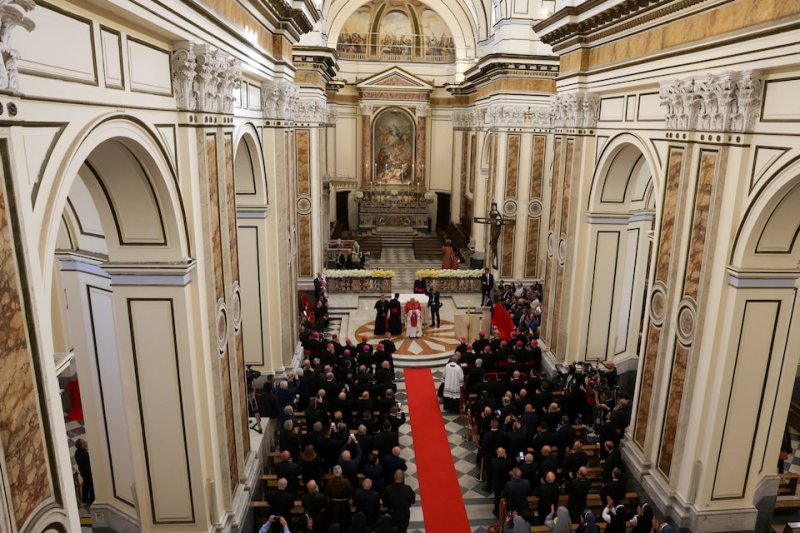
Pope Leo XIV issued a scathing critique of corporate greed on Saturday, condemning companies that rake in "dizzying" profits at the expense of the environment and human health.
The remarks came during the first U.S. pope's emotional visit to Acerra, Italy—an area south of Rome notoriously dubbed the "Land of Fires" and the "Triangle of Death" due to decades of illegal toxic waste dumping, News.Az reports, citing Reuters.
Arriving by popemobile to a crowd waving Vatican flags, Leo stated he wanted to "gather the tears" of local families who have lost loved ones to cancer and other illnesses linked to the pollution.
RECOMMENDED STORIES
"Unscrupulous people and organizations have been allowed to act with impunity for too long. Reject temptations of power and enrichment linked to practices that pollute the land, water, air, and social coexistence."
— Pope Leo XIV
The backdrop of Italy's waste crisis
For decades, waste management in southern Italy was heavily controlled by private owners with deep ties to the Camorra mafia. The environmental toll has been devastating for local residents:
2025 European Court Ruling: The European Court of Human Rights ruled that Italian authorities failed to protect citizens from illegal dumping dating back to 1988.
Two-Year Deadline: The court gave the Italian government until 2027 to build a comprehensive database of toxic sites and publicize the health risks.
Government Action: In response, Prime Minister Giorgia Meloni appointed a military general last year to lead a cleanup task force and assist local victims.
A prelude to a major Vatican announcement
The high-profile visit marks a period of increasingly bold rhetoric from the pontiff. On Monday, Pope Leo is set to release his very first encyclical—a major official document addressed to the world's 1.4 billion Catholics.
While Saturday's focus was on the environment, Monday's highly anticipated text is expected to tackle the rapid rise of Artificial Intelligence (AI), specifically its implications for modern warfare and global workers' rights.
By Aysel Mammadzada


Similar news