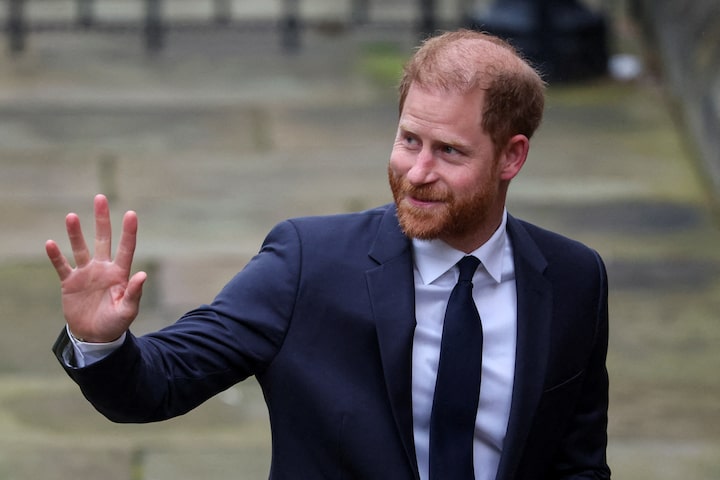
The Duke of Sussex, 41, along with six other prominent figures — including music icon Elton John — is suing Associated Newspapers over alleged unlawful intrusion into their private lives. The claimants say the violations occurred from the early 1990s through the early 2010s, News.Az reports, citing Reuters.
The trial, taking place at London’s High Court, is scheduled to last nine weeks. Harry is expected to be the first witness to testify. While his appearance had initially been planned for later in the week, court schedules indicate he may begin giving evidence sooner than expected.
At the heart of the case are 14 news articles that Harry’s legal team claims were produced using illegal information-gathering methods. These allegedly include voicemail hacking, landline bugging, and obtaining private data through deception — a practice known in British media scandals as “blagging.”
Associated Newspapers has strongly denied all accusations, calling them baseless and exaggerated. The company argues that its journalists relied on legitimate sources, including public statements and information obtained from people within the claimants’ social circles. Its legal team maintains that Harry’s circle was known to be “leaky,” suggesting no unlawful methods were necessary.
Other claimants expected to testify include David Furnish, Liz Hurley, Sadie Frost, Doreen Lawrence, and former MP Simon Hughes. Their lawyer insists there is evidence of systematic misuse of private information at both the Daily Mail and Mail on Sunday. Associated’s defense team says current and former journalists will provide testimony supporting lawful reporting practices.
This lawsuit is the latest chapter in Harry’s long-running battle with British tabloids. He has previously won a case against Mirror Group Newspapers and secured an apology from Rupert Murdoch’s UK newspaper division after another claim was settled before trial.
For Harry, the issue remains deeply personal. He has repeatedly linked aggressive paparazzi behavior to the circumstances surrounding the death of his mother, Princess Diana, in 1997.
The court’s ruling in this case could once again reshape the boundaries between press freedom and privacy rights in the UK.