Reborn Karabakh: A symbol of will, triumph, unity, and diligence


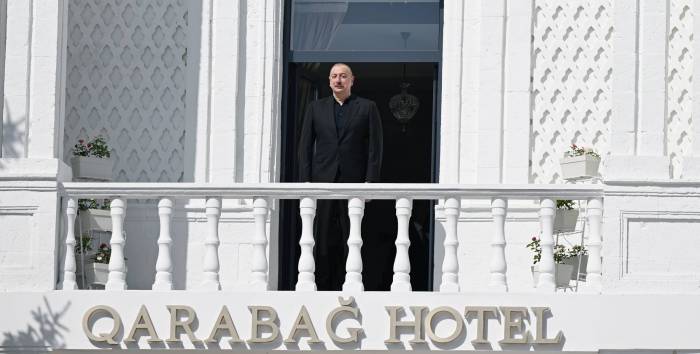
The Karabakh region, once a symbol of conflict and destruction, is now in the process of a remarkable transformation, driven by the resilience and determination of the Azerbaijani state. Following the end of the 2020 Second Karabakh War, Azerbaijan has embarked on a comprehensive and ambitious plan to restore the region's infrastructure, economy, and social fabric. The government's concerted efforts to rebuild Karabakh are not just about reconstruction; they are a testament to Azerbaijan’s commitment to territorial integrity, sustainable development, and the well-being of its citizens.
Azerbaijan's vision for Karabakh’s rebirth
The strategic vision for the recovery of Karabakh revolves around several key pillars: restoring infrastructure, resettling displaced populations, rehabilitating the environment, enhancing security, and fostering economic development. This process is being carried out under the leadership of President Ilham Aliyev, who has emphasized the importance of not only rebuilding Karabakh but ensuring that it thrives as a modern, vibrant region within Azerbaijan.
The scope of the reconstruction and rehabilitation efforts is immense, as Karabakh and surrounding areas were severely damaged during nearly three decades of occupation by Armenian forces. Key sectors such as housing, energy, transportation, agriculture, and education have suffered extensive damage, and the Azerbaijani government has taken swift and strategic actions to address these challenges.
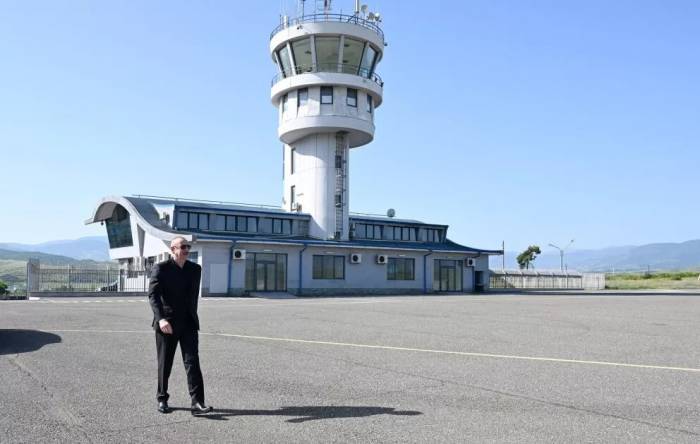
The triumpher at Khodjaly Airport. Source: Official website of President of Azerbaijan Republic
Infrastructure restoration: A path to modernization
One of the core objectives of the Azerbaijani government has been to restore and modernize Karabakh’s infrastructure. According to official reports, by 2023, Azerbaijan had already allocated over $2.2 billion for the restoration of infrastructure in the region, covering roads, utilities, and public services.
Transportation infrastructure: Connecting Karabakh to the rest of Azerbaijan
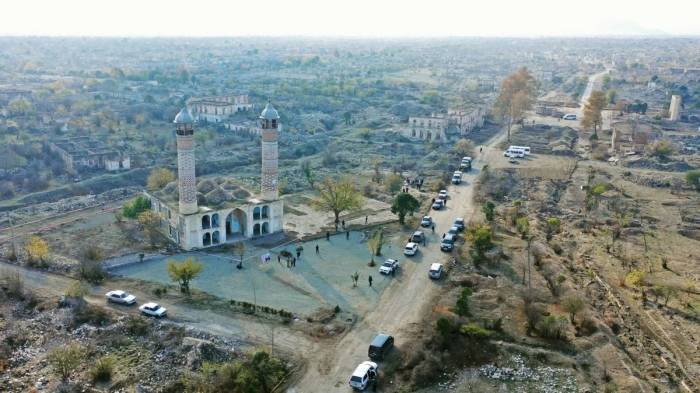 Agdam town lies in ruins after 30 years of Armenian occupation. Source: Internet
The restoration of road networks is crucial for both the integration of Karabakh Economic Region into the wider Azerbaijani economy and for facilitating the return of refugees and internally displaced persons (IDPs).
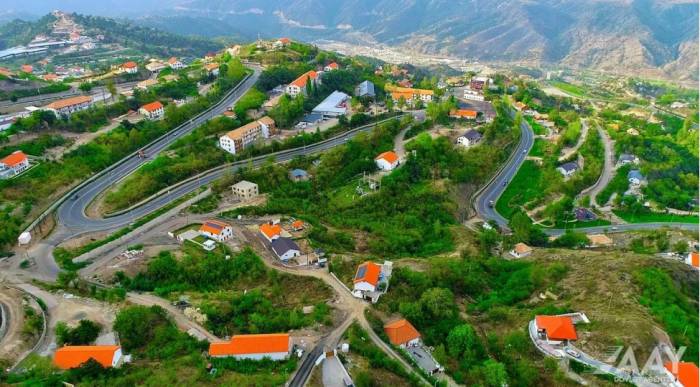 Colossal restoration works have already been conducted in Karabakh. Source Internet
Over 1,200 kilometers of roads are being rebuilt, including the construction of the Fuzuli-Shusha highway, which will significantly improve connectivity between Karabakh and the rest of Azerbaijan. In Lachin a significant upgrades are undergoing, and seven new bridges have been constructed to ensure smooth transportation.
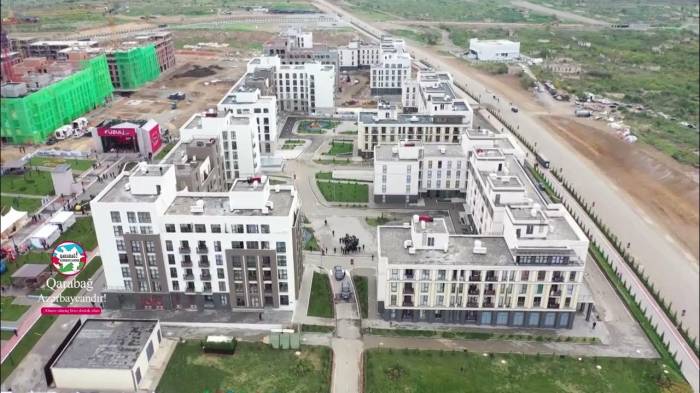 One of the neighborhoods in Fizuli district under construction. Source: Internet
The Fuzuli International Airport, which opened in 2022, has already begun operations, marking a milestone in both the transportation infrastructure and the economic integration of Karabakh with the rest of Azerbaijan.
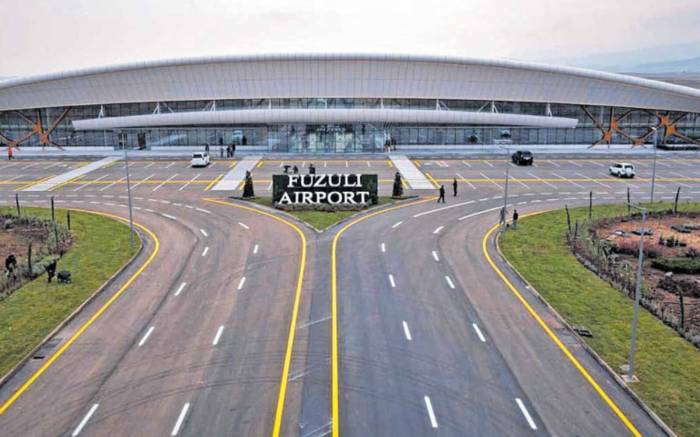 Fizuli İnternational Airport. Source: Internet
This airport is expected to handle over 200,000 passengers annually in the coming years, facilitating not only domestic but also international travel to and from the region.
Energy infrastructure: Restoring power and stability
Azerbaijan’s energy infrastructure in Karabakh was devastated during the years of occupation. The government has prioritized the restoration of the power supply to the region. According to the Ministry of Energy, over 90% of Karabakh’s power grid has been restored, with new substations and transmission lines built to ensure a stable and uninterrupted power supply to the entire region.
Additionally, the construction of new solar and wind power plants has begun, reflecting Azerbaijan’s commitment to clean and sustainable energy. These initiatives will not only meet the region’s energy needs but also contribute to Azerbaijan’s broader goal of reducing its carbon footprint and embracing renewable energy sources.
Water supply and agriculture: Restoring vital resources
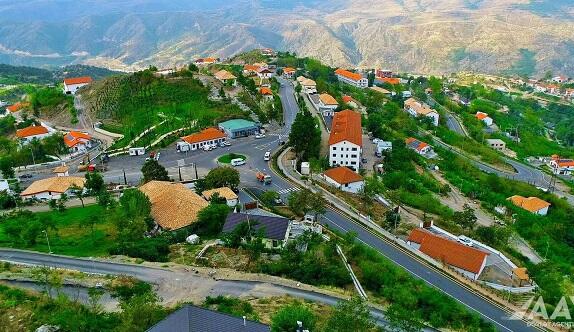 The restoration wotks in Karabakh have never suspended. Karabakh. Source: Internet
Restoring access to water and supporting agricultural development are central to the rehabilitation of Karabakh. The Azerbaijani government has invested in the restoration of water supply systems, ensuring that thousands of families can regain access to clean drinking water.
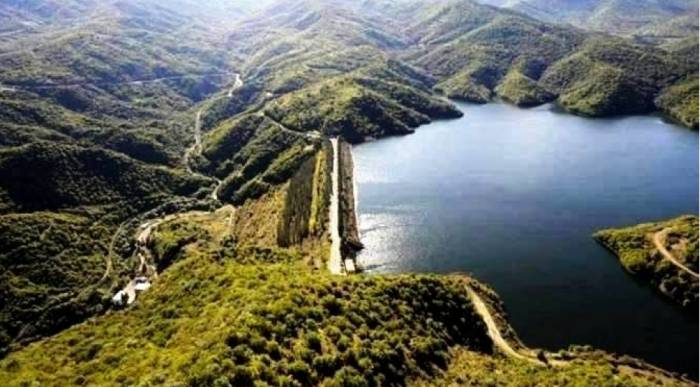 Sarsang Water Reservoir in Karabakh. Photo: Internet
More than 50 water wells have been drilled in various parts of Karabakh, and large-scale irrigation systems are being restored to revive agriculture in the region.
The agricultural sector, which was once the backbone of the Karabakh economy, is being revitalized through modern farming techniques and the introduction of new agricultural technologies. The government has allocated $300 million to support farmers and the agricultural infrastructure, aiming to reintegrate Karabakh as a key agricultural hub of Azerbaijan.
The Return of displaced populations: A humanitarian priority
The return of Azerbaijani refugees and IDPs to their ancestral homes in Karabakh is one of the most significant and challenging aspects of the region’s recovery. According to the State Committee for Refugees and IDPs, as of 2024, more than 70,000 Azerbaijani citizens have already returned to the region, and this number is expected to grow as reconstruction efforts continue.
The government has been working closely with international organizations to ensure that the return process is carried out in a safe, dignified, and organized manner. New homes are being built for those who lost their properties during the conflict, and the government has already completed the construction of over 10,000 new homes in the Fuzuli and Jabrayil districts alone.
Azerbaijan is also focusing on creating sustainable livelihoods for returning citizens, with employment programs and business incentives being launched to help individuals and families reintegrate into the local economy. By 2025, the government aims to resettle more than 100,000 displaced persons in Karabakh.
Economic revitalization: Building a new economic hub
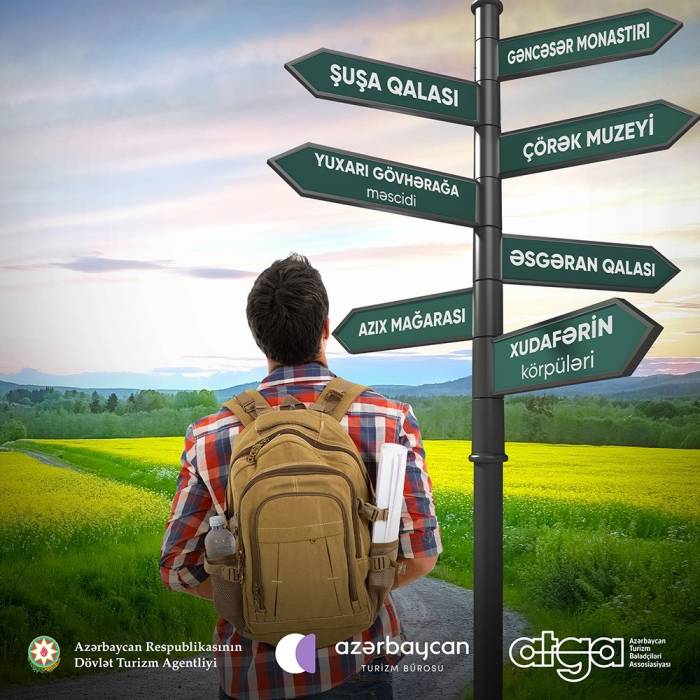 Photo: Azerbaijan Tourism Guides Association
Karabakh’s economic potential is immense. The region is rich in natural resources, including minerals, fertile agricultural land, and tourism potential. In 2023, the government unveiled a $500 million investment fund to attract foreign and domestic investments into the region, focusing on industries such as tourism, agriculture, and technology.
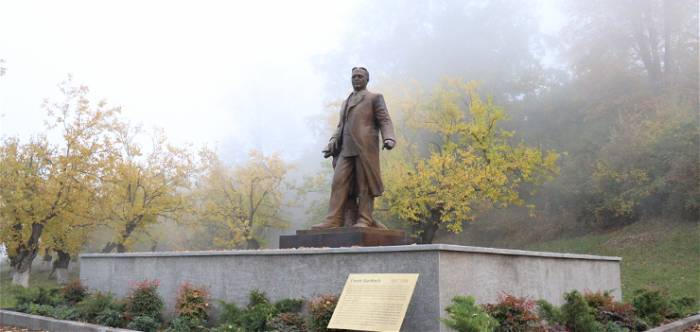 The monument to prominent Azerbaijani composer U.Hajibeyli. Source: Internet
The Shusha Tourism Development Project, which aims to turn the city of Shusha into a cultural and tourism hub, is one of the flagship initiatives. Shusha, once known as the "Conservatory of the Caucasus," is poised to become a center for arts, culture, and international tourism, attracting visitors from around the world.
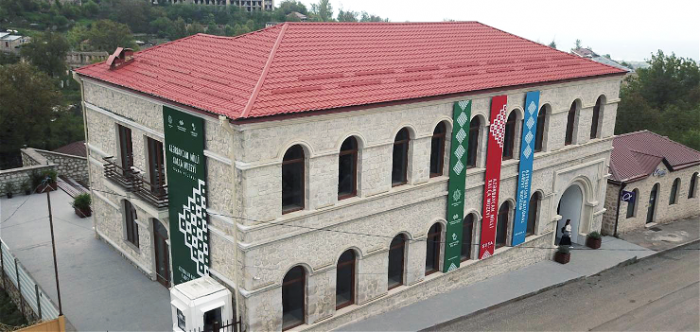 Shusha Carpet Museum. Source: The Karabakh Revival Fund
The Azerbaijani government expects the tourism sector in Karabakh to generate over $1 billion annually by 2030.
Additionally, efforts are underway to support local entrepreneurs and small businesses. By 2024, over 500 new businesses were opened in Karabakh, creating thousands of new jobs and stimulating economic activity in the region.
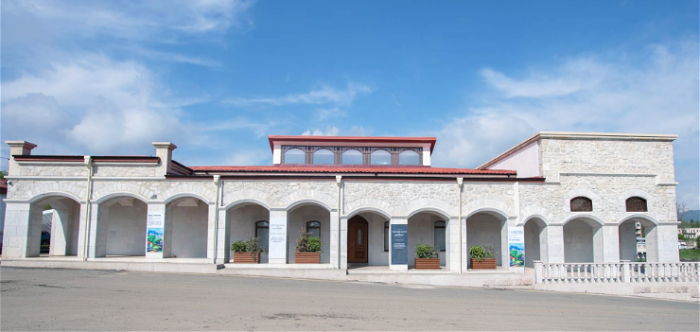
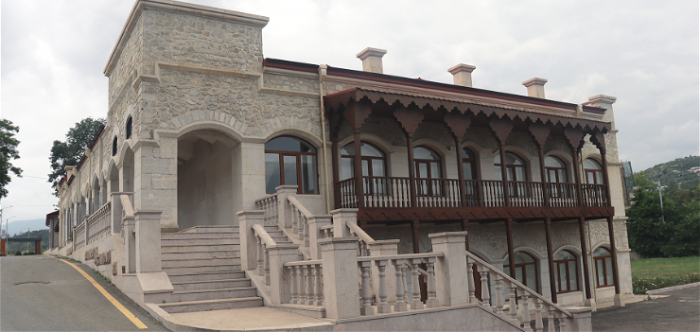 Creative Center. Source: The Karabakh Revival Fund
Environmental rehabilitation: Restoring the natural beauty of Karabakh
During the years of occupation, the environment of Karabakh suffered significant damage. Forests were cleared, rivers were polluted, and landscapes were scarred by military activities. The Azerbaijani government is committed to reversing this damage through large-scale environmental restoration projects.
The Azerbaijan Ministry of Ecology and Natural Resources has launched a comprehensive program aimed at reforesting the region, with plans to plant over 10 million trees by 2025. Additionally, efforts are being made to clean up the extensive landmines and unexploded ordnance (UXOs) left behind by the conflict, which pose a serious threat to both the environment and the safety of returning civilians.
Security and stability: Ensuring long-term peace
Security remains a top priority for the Azerbaijani government. The presence of Azerbaijani military forces in Karabakh is crucial to maintaining peace and stability, and efforts are being made to ensure that the region remains secure for both the returning population and future investors.
Karabakh’s bright future
The transformation of Karabakh from a region scarred by conflict into a thriving, prosperous part of Azerbaijan is not an overnight process, but the government’s efforts are already showing results. With substantial investments in infrastructure, energy, agriculture, and tourism, Karabakh is on a clear path to recovery.
As of 2023, the government’s investments in the region have exceeded $3 billion, and this figure is expected to grow as more projects are completed. With the unwavering determination of the Azerbaijani people and the state’s strong leadership, Karabakh is poised to become a model of recovery and development in the region.
The challenges remain, but the future of Karabakh looks brighter than ever. The rebirth of Karabakh is a testament to Azerbaijan’s resilience and commitment to creating a peaceful, prosperous, and sustainable future for all its citizens.
The material was prepared with the financial support of the Media Development Agency of the Republic of Azerbaijan.


Similar news