Why is nuclear energy becoming Central Asia's biggest strategic bet?


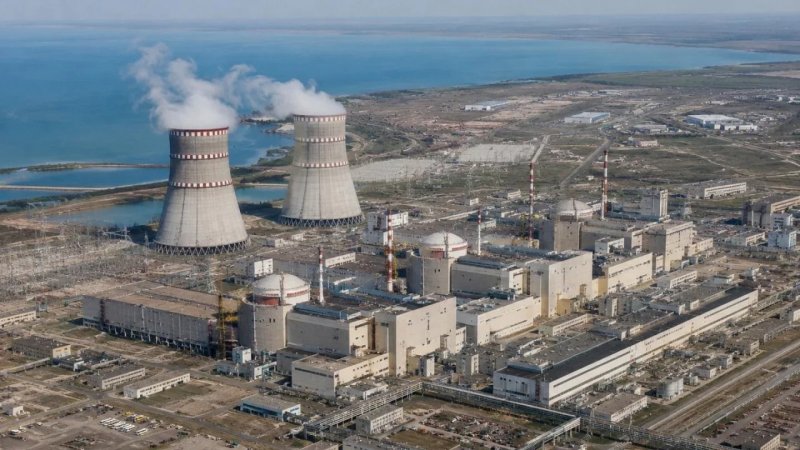
For decades, Central Asia's energy landscape was shaped by vast reserves of oil, natural gas, coal and hydropower.
However, the region is now entering a new phase in which governments are increasingly looking at nuclear energy as a solution to rising electricity demand, industrial development and long-term energy security concerns, News.az reports.
Over the past few days, nuclear power has emerged as one of the most discussed strategic issues across the region, particularly in Kazakhstan and Uzbekistan.
Why is nuclear energy attracting so much attention in Central Asia?
Energy consumption across Central Asia has increased significantly over the past decade. Rapid population growth, expanding cities, industrialization and the development of digital infrastructure have placed increasing pressure on national electricity grids. Many countries are experiencing seasonal shortages, particularly during periods of extreme heat or cold, when demand for power spikes.
At the same time, governments are trying to diversify their economies and attract foreign investment into manufacturing, mining, data centers and high-tech industries. These sectors require stable and reliable electricity supplies that can operate continuously throughout the year.
While renewable energy sources such as solar and wind power are expanding across the region, policymakers argue that these technologies alone cannot guarantee uninterrupted electricity generation. Nuclear energy is therefore being presented as a long-term solution capable of providing large volumes of reliable power while supporting economic modernization efforts.
As a result, nuclear power has become a strategic issue that combines energy security, economic development and geopolitical considerations.
Which countries are pursuing nuclear energy projects?
Uzbekistan is currently at the forefront of Central Asia's nuclear ambitions. The country has accelerated plans to build its first nuclear power plant as part of a broader strategy aimed at reducing future electricity shortages and supporting economic growth. Officials argue that the country's existing power generation infrastructure will not be sufficient to meet demand in the coming decades, making new sources of baseload electricity essential.
Kazakhstan is also considering the construction of its first nuclear power station. Although the country possesses enormous oil, gas and uranium resources, authorities have warned that future electricity demand could outpace existing generation capacity. Nuclear energy is increasingly viewed as a potential solution.
The debate in Kazakhstan is particularly significant because the country possesses some of the world's largest uranium reserves and remains the leading producer of uranium globally. Supporters argue that Kazakhstan is uniquely positioned to benefit from the entire nuclear fuel cycle, from uranium extraction to electricity generation.
Meanwhile, other Central Asian states are closely observing developments in both countries. While they have not yet announced major nuclear projects of their own, growing electricity demand could eventually push them to consider similar options.
Why do governments believe nuclear power is necessary?
One of the main reasons governments support nuclear energy is the expectation that electricity consumption will continue to rise sharply over the coming decades.
Population growth is increasing residential electricity demand, while industrial development requires large and stable energy supplies. Governments are also investing heavily in digital technologies, artificial intelligence infrastructure and data centers, all of which consume significant amounts of electricity.
Hydropower, which plays a crucial role in several Central Asian countries, faces increasing challenges due to climate change and water shortages. Lower river flows and prolonged droughts can reduce electricity production, creating uncertainty for national energy systems.
Solar and wind power offer important opportunities but remain dependent on weather conditions. Energy storage technologies are improving, but large-scale storage solutions remain expensive and insufficient to meet all baseload power needs.
Nuclear reactors, by contrast, can operate continuously for long periods and provide stable electricity regardless of weather conditions. For policymakers concerned about energy shortages and economic competitiveness, this reliability is one of nuclear power's most attractive features.
How could nuclear energy affect the region's economy?
The economic implications of nuclear power extend far beyond electricity generation.
Governments believe that reliable energy supplies are essential for attracting foreign investment and supporting industrial expansion. Investors considering large-scale manufacturing facilities, mining projects or digital infrastructure typically prioritize regions with stable electricity networks.
Nuclear power could help reduce the risk of future power shortages that might otherwise discourage investment. Stable energy supplies are also expected to support economic diversification efforts by enabling the growth of new industries that require continuous electricity access.
Construction of nuclear facilities could create thousands of jobs during development phases while also generating demand for engineers, technicians and specialized workers. In addition, supporting infrastructure such as transmission networks, training programs and research institutions could contribute to broader economic development.
Supporters argue that successful nuclear projects could strengthen Central Asia's position as an attractive destination for international investment and industrial growth.
What role does uranium play in Central Asia's nuclear ambitions?
Central Asia already occupies a critical position in the global nuclear fuel supply chain.
Kazakhstan is the world's largest uranium producer and supplies a substantial share of global uranium demand. This has given the country considerable strategic importance in international energy markets.
The presence of vast uranium reserves provides Kazakhstan with a significant advantage if it chooses to expand domestic nuclear generation. Instead of exporting only raw materials, the country could potentially capture greater economic value through participation in additional stages of the nuclear fuel cycle.
The region's uranium resources have also attracted interest from major global powers seeking secure access to critical energy materials. As competition for strategic resources intensifies worldwide, uranium is increasingly viewed as both an economic asset and a geopolitical tool.
For policymakers, nuclear energy therefore represents not only an electricity solution but also an opportunity to leverage existing natural resource advantages.
What concerns exist about nuclear power?
Despite growing interest in nuclear energy, significant concerns remain.
One of the primary challenges involves cost. Nuclear power plants require enormous upfront investments and often take many years to complete. Delays or cost overruns can place substantial financial pressure on governments and investors.
Safety concerns also remain a major topic of public debate. Although modern reactor designs incorporate advanced safety systems, memories of historical nuclear accidents continue to influence public opinion in many countries.
In Kazakhstan, these concerns carry particular emotional weight due to the legacy of Soviet nuclear testing at the Semipalatinsk test site. The long-term environmental and health consequences associated with those tests continue to shape public attitudes toward nuclear technologies.
Questions surrounding radioactive waste management, environmental protection and long-term operational oversight also remain unresolved in the minds of many citizens. Governments will likely need extensive public outreach campaigns to address these concerns and build support for future projects.
How does nuclear energy fit into climate goals?
As countries around the world seek to reduce greenhouse gas emissions, nuclear energy is increasingly being discussed as part of broader climate strategies.
Unlike coal-fired or gas-fired power plants, nuclear reactors produce very low direct carbon emissions during operation. This has led many governments and international organizations to classify nuclear energy as a low-carbon electricity source.
For Central Asian countries seeking to balance economic growth with environmental commitments, nuclear energy offers a potential pathway toward cleaner electricity generation without sacrificing energy security.
Many experts argue that the most effective future energy systems will combine multiple technologies. In this model, nuclear power would provide stable baseload electricity while renewable energy sources such as solar and wind contribute additional clean generation.
Supporters believe such a combination could help Central Asian countries reduce emissions, improve energy reliability and meet growing electricity demand simultaneously.
What does this mean for the region's future?
The decisions currently being made regarding nuclear energy could shape Central Asia's development trajectory for decades.
If major nuclear projects are completed successfully, they could transform regional energy systems and support long-term economic growth. Stable electricity supplies would strengthen industrial competitiveness, attract investment and reduce vulnerability to energy shortages.
At the same time, nuclear development will require careful management of safety concerns, financing challenges and geopolitical relationships. Large-scale projects often involve international technology providers, investors and fuel suppliers, making energy policy closely linked to foreign policy considerations.
Ultimately, nuclear energy is no longer a theoretical discussion in Central Asia. It is becoming a central component of national development strategies, reflecting the region's ambition to secure its energy future while expanding its role in the global economy.
The Bottom Line
Nuclear power has emerged as one of Central Asia's most important strategic debates because it sits at the intersection of energy security, economic growth, climate policy and geopolitics. As electricity demand rises and governments search for reliable long-term solutions, nuclear energy is increasingly being viewed as a critical tool for sustaining development. Whether these ambitions succeed will depend on the ability of regional governments to balance economic opportunities with public concerns over cost, safety and environmental responsibility.
By Faig Mahmudov


Similar news