Russia and India join forces in nuclear energy


By Asif Aydinly
India and Russia continue to strengthen their positions in the field of nuclear energy, and their cooperation is reaching a new level with plans to establish a joint venture for the production of nuclear fuel. This partnership aims to implement a deal worth 105 billion Indian rupees, which is equivalent to more than 1.2 million USD, and opens significant prospects for both countries.The planned deal includes the supply of nuclear fuel and key components for the new units of the Kudankulam Nuclear Power Plant (NPP) , located in the state of Tamil Nadu in southern India. The Russian fuel company TVEL, part of Rosatom, will supply nuclear fuel from 2025 to 2033. These supplies will include initial fuel batches, five subsequent reloads, and rod and fuel assembly control kits. This collaboration underscores the importance of Russo-Indian relations and their mutual commitment to technological progress.
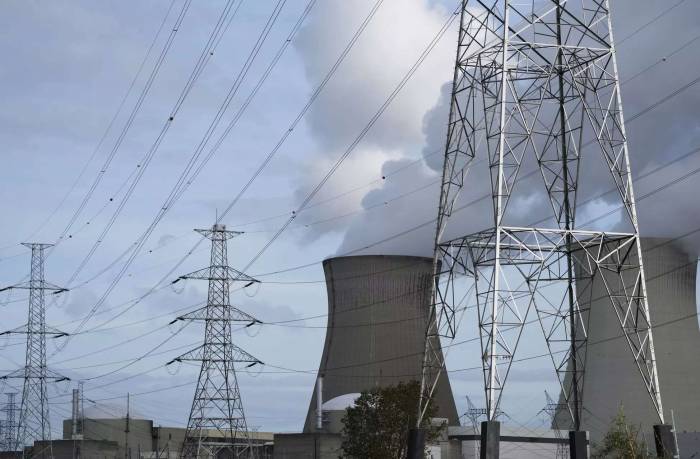
Kudankulam NPP is the largest nuclear power plant in India and a symbol of the strong partnership between the two countries. The plant has long been a flagship of Russo-Indian technological and energy cooperation. The customer and operator of the plant is the Nuclear Power Corporation of India, while the general contractor for the project is the Russian company Atomstroyexport. The construction involves the erection of six units with VVER-1000 reactors, with a total installed capacity of 6,000 MW. The first two units are already connected to the national grid and operating at nominal power levels, while construction and equipment deliveries are actively underway for the third and fourth units.
Kudankulam is not only the largest project of its kind in India but also reflects deep technological interaction between the countries. Each unit, equipped with VVER-1000 reactors, demonstrates the high level of safety and reliability of Russian technologies that are applied worldwide. The development and implementation of such complex technologies require coordination at many levels, making the Kudankulam project an outstanding example of successful international cooperation.
Significant contributions to the project come from the Petrozavodskmash machine-building plant, which shipped the first batch of pipeline fittings for units 5 and 6 in June 2024. This event highlights the importance of the Russian industrial base in ensuring high-quality standards and timely equipment deliveries for such large-scale projects. In July of the same year, Rosatom began executing a contract for supplying nuclear fuel for the second-phase units under construction. These developments confirm the high degree of involvement of both countries in the development of nuclear energy and their commitment to achieving new technological heights.
The creation of a joint venture for the production of nuclear fuel also opens new horizons for India and Russia. It will strengthen India's position in the global nuclear energy market and ensure sustainable sector development. This partnership facilitates the exchange of experience and technologies between the two countries, which, in the long run, may lead to new achievements in energy security and technological innovation. In this context, international cooperation becomes a key factor in addressing global energy challenges.
From a geopolitical standpoint, such cooperation strengthens bilateral relations and lays the foundation for deeper integration in the energy sector. India, with its growing energy needs, seeks reliable and sustainable energy sources, while Russia sees this as an opportunity to expand its influence and strengthen its position in the international energy market.
Projects of this scale confirm the importance of international partnerships and open new opportunities for interaction between India and Russia. This cooperation helps strengthen ties between the countries, enabling them to tackle emerging challenges more effectively and build a solid foundation for future successes in nuclear energy and technology. It also sends a strong signal to other countries about the possibilities that can be achieved through cooperation and joint efforts in developing advanced technologies.
These efforts underscore the importance of a sustainable approach to energy development and the commitment of both countries to ensuring a safe and environmentally friendly future. In the long term, India and Russia can become leaders in sustainable nuclear energy, contributing to the global transition to cleaner and more reliable energy sources.


Similar news