Russian Shahed drones flying at 10 meters to evade radar


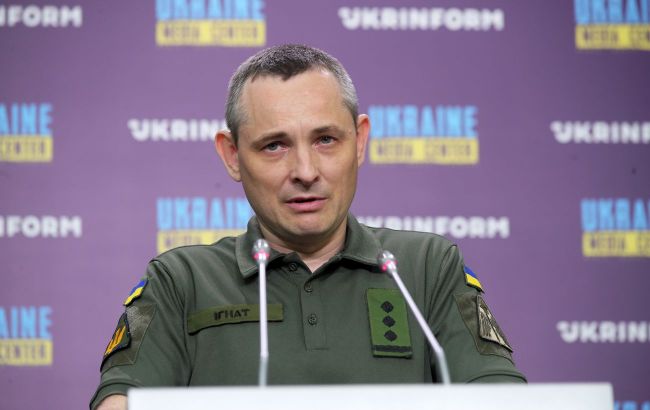
Russian Shahed attack drones are flying at extreme low altitudes—sometimes just 10 to 20 meters above the ground—in a highly calculated effort to drop below Ukrainian radar coverage, according to the Ukrainian Air Force.
Yurii Ihnat, head of communications for the Air Force, explained that Russian forces are continuously adapting their tactics to ensure their drones can penetrate deep into Ukraine's westernmost regions. Beyond hugging the terrain, Russia is mapping out highly complex flight paths that intentionally exploit natural geography and international borders, News.Az reports, citing RBC-Ukraine.
In particular, Ihnat noted that drones are frequently tracked skimming the borders of neighboring Belarus, Moldova, and Romania to slip past defense grids, adding that intelligence suggests Belarus may be actively assisting in coordinating these borderline flight paths. Furthermore, when striking from the north toward the capital, Russian forces regularly route drones directly over the water of the Kyiv Reservoir to completely mask their approach.
RECOMMENDED STORIES
Because these ultra-low altitudes render standard radar stations ineffective, Ukraine's air defense strategy has pivoted heavily toward rapid-response visual engagement. To counter the low-flying threats, the military is heavily deploying interceptor drones, short-range anti-aircraft units, and highly agile mobile fire groups.
"No one is writing off the mobile fire groups," Ihnat emphasized, pointing out that recent videos circulating online show drones flying virtually at treetop level. "They are quite effective at low altitudes... this is exactly where fire groups can operate successfully."
The tactical revelation follows an incredibly brutal overnight assault on June 2, which saw Russia launch a staggering barrage of over 700 combined missiles and drones. The mass attack, which primarily targeted civilian and energy infrastructure in Kyiv, killed 14 Ukrainians and left more than 100 others injured.
By Aysel Mammadzada


Similar news