How the Schengen visa became one of the world’s most in-demand travel documents is a story shaped by rising global mobility, strict European border controls and a rapidly changing digital landscape, News.Az reports.
For millions of travellers, the Schengen visa is more than a permit to enter Europe—it is a gateway to opportunity, tourism, education, business and cultural exchange across 27 countries with no internal borders. Yet, as demand continues to grow, the process of obtaining this visa has become increasingly demanding, reflecting Europe’s efforts to balance openness with security.
The Schengen visa is a unique system that allows travellers to move freely between most European Union countries as well as several non-EU states participating in the Schengen zone. Its convenience—one visa granting access to multiple destinations—has made it one of the most desirable travel authorisations in the world. Each year, European embassies and visa centres receive tens of millions of applications from Asia, Africa, the Middle East and the South Caucasus. Appointment slots are often booked weeks in advance, especially during peak travel seasons.
However, the attractiveness of the Schengen visa also explains why the screening process is so strict. European authorities insist that careful evaluation is necessary to prevent irregular migration, overstays and security risks. Applicants are required to present extensive documentation, including bank statements, employment certificates, travel reservations, accommodation details and comprehensive travel insurance. Embassies examine each file thoroughly to ensure that the traveller intends to return home after their visit.
One of the most significant reasons behind tight controls is the increasing number of people who use short-term visas to overstay in Europe. Some applicants provide incomplete documents, unclear travel plans or inconsistent financial information, which can lead to rejection. As a result, the approval rate varies significantly between regions, with some countries experiencing higher rejection ratios due to risk assessments applied by Schengen states.
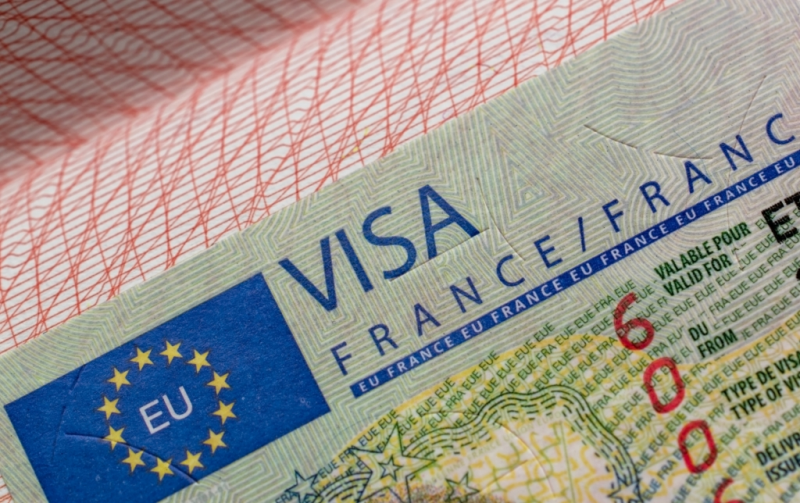
Despite the challenges, the system continues to evolve. Europe is now transitioning toward full digitalisation of its visa process. Under upcoming reforms, physical visa stickers will be replaced with digital QR-based visas stored securely in online databases. This change aims to reduce document fraud, make applications more transparent, and streamline passport checks at European borders. Digital visas are expected to simplify procedures for both travellers and officials.
Alongside digital visas, the European Union is preparing to introduce the Entry/Exit System (EES). This biometric system will record the time and place of entry and exit of every non-EU visitor. By replacing manual passport stamps, the EES will allow authorities to automatically detect overstays and track travel patterns more accurately. For travellers, this means faster border crossings but also stricter compliance with allowed stay durations.
Moreover, the Schengen system continues to place strong emphasis on security. All visa applicants undergo screening through multiple European information systems, including databases for stolen documents, criminal records and border alerts. This interconnected system helps identify risks and ensures uniform standards across the Schengen area.
Yet the Schengen visa is not only about restrictions; it also offers significant advantages. Travellers can visit iconic destinations such as France, Italy, Spain, Germany, Switzerland and the Netherlands without additional border checks. For business professionals, a Schengen visa opens access to major trade hubs, exhibitions and conferences. Students and researchers benefit from the academic cooperation between European institutions. Family reunification and medical travel also constitute a large portion of visa applications each year.
Another important advantage is the possibility of obtaining a multi-entry visa. Applicants with strong travel history, stable finances and reliable documentation may be granted a visa valid for multiple years. This allows repeated visits without undergoing the full application process each time. Frequent travellers, businesspersons and previous Schengen visa holders benefit most from these long-term visas.
Nevertheless, the process remains challenging for many first-time applicants. Embassy appointments can be difficult to secure in high-demand countries. During the summer period, slots may be fully booked within minutes. To address this, some Schengen states have encouraged visa centres to expand capacity or adopt online systems that better manage appointment queues. Still, applicants are urged to begin preparations months before their intended travel date.
Travel insurance requirements also remain mandatory. Every applicant must obtain insurance covering at least €30,000 in medical expenses. This rule is designed to protect travellers during sudden illness or accidents and prevent unexpected financial burdens on host countries. Insurance companies in many regions offer specialised “Schengen packages” to meet these criteria.
Despite administrative hurdles, the Schengen area remains one of the world’s most attractive travel destinations. Rich cultural heritage, historic cities, advanced infrastructure and diverse landscapes draw millions of visitors each year. The variety of experiences—from the museums of Paris to the canals of Amsterdam and the alpine landscapes of Switzerland—ensures that tourism continues to grow.
Looking ahead, Europe’s challenge is to modernise the Schengen system while keeping it secure. The combination of digital visas, biometric border systems and enhanced data management will shape the next phase of European mobility. At the same time, officials highlight that responsible travel, complete documentation and transparency from applicants remain essential.
Ultimately, the Schengen visa symbolizes more than access to Europe—it represents the complex balance between security and freedom of movement in a globalised world. As demand increases and policies evolve, the visa will continue to play a defining role in shaping international travel and cooperation for years to come.