Socioeconomic transformation and demographic trends in Central Asia


Central Asia is undergoing a period of deep socioeconomic transformation driven by demographic shifts, economic restructuring, and evolving social expectations, News.Az reports.
Since independence, the region has moved through several stages of transition, from post Soviet adjustment to state consolidation and, more recently, to modernization oriented reform agendas. For countries such as Kazakhstan, Uzbekistan, Turkmenistan, Kyrgyzstan, and Tajikistan, demographic dynamics and social development have become central to long term economic planning and political stability.
Population growth, urbanization, labor mobility, and changes in education and employment patterns are reshaping societies across the region. These trends present opportunities for economic expansion and innovation, but they also create pressures on infrastructure, public services, and governance systems. Managing this transformation effectively is one of the defining challenges for Central Asia’s future.
Demographic growth and youth dominated societies
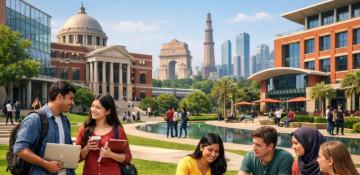
One of the most notable features of Central Asia’s demographic profile is its relatively young population. In several countries, a significant share of citizens are under the age of thirty, creating both a potential demographic dividend and a source of social risk if employment and education systems fail to keep pace.
Population growth rates vary across the region, but overall trends point toward steady expansion. This growth places increasing demands on housing, healthcare, education, and labor markets. Governments recognize that demographic momentum will shape economic outcomes for decades, making youth focused policies a strategic priority.
Harnessing the potential of a young population requires sustained investment in human capital. Without sufficient job creation and skills development, demographic growth can exacerbate inequality and social tension. Conversely, successful integration of young people into productive employment can drive innovation and long term growth.
Urbanization and the transformation of cities
Urbanization is accelerating across Central Asia, reflecting both natural population growth and rural to urban migration. Cities are becoming centers of economic activity, education, and cultural life, attracting young people in search of opportunity.
This urban expansion is transforming social structures. Traditional extended family models are giving way to more nuclear households, while urban lifestyles influence consumption patterns and social norms. Cities also serve as hubs for technological adoption and entrepreneurship, amplifying their role in national development.
At the same time, rapid urbanization strains infrastructure and public services. Housing shortages, transport congestion, and environmental stress are common challenges. Managing urban growth sustainably requires integrated planning that aligns housing, transport, employment, and social services.
Labor markets and employment challenges
Employment lies at the heart of socioeconomic transformation. Central Asian economies are shifting from state dominated models toward more diversified structures that include services, manufacturing, and private enterprise. This transition creates new job opportunities but also exposes skill mismatches and institutional gaps.
Youth unemployment and underemployment remain pressing concerns. Many young people enter labor markets with qualifications that do not align with employer needs, reflecting weaknesses in education and vocational training systems. Informal employment continues to play a significant role, providing income but limiting social protection and productivity gains.
Addressing labor market challenges requires coordinated reforms. Education systems must adapt to evolving economic needs, while labor regulations should balance flexibility with worker protection. Expanding opportunities for small and medium enterprises is also critical to absorbing a growing workforce.
Labor migration and remittance dependence
Labor migration is a defining feature of Central Asian socioeconomic dynamics. Millions of citizens seek employment abroad, driven by wage differentials and limited domestic opportunities. Remittances from migrant workers constitute a significant source of household income and foreign currency for several countries.
Migration has complex social effects. While remittances support consumption, education, and housing, prolonged separation affects family structures and community cohesion. Dependence on external labor markets also exposes economies to external shocks.
Governments increasingly view migration management as part of broader development strategies. Creating domestic jobs, protecting migrant rights, and channeling remittances into productive investment are key objectives in reducing vulnerability while preserving the benefits of labor mobility.
Education reform and human capital development
Education is a cornerstone of socioeconomic transformation. Central Asian states have inherited extensive education systems, but quality, relevance, and access vary widely. Reform efforts focus on improving outcomes and aligning education with labor market needs.
Higher education expansion reflects rising demand for advanced skills, while vocational training is gaining renewed attention as a pathway to employment. Digital learning platforms and international partnerships are also becoming more prominent, broadening access to knowledge and expertise.
Human capital development extends beyond formal education. Lifelong learning, reskilling, and entrepreneurship training are increasingly recognized as essential in economies undergoing structural change.
Digitalization and social modernization
Digitalization is reshaping economic and social life across Central Asia. Increased internet penetration, mobile connectivity, and digital services are transforming how citizens access information, conduct business, and interact with the state.
E government initiatives improve service delivery and transparency, while digital platforms enable new forms of entrepreneurship and employment. Young people, in particular, are driving digital adoption, influencing cultural norms and expectations.
However, digital divides persist between urban and rural areas and across income groups. Ensuring inclusive digital transformation requires investment in infrastructure, affordability, and digital literacy.
Healthcare, social protection, and demographic pressure
Demographic change places growing demands on healthcare and social protection systems. Population growth and urbanization increase the need for accessible, high quality healthcare services, while changing lifestyles contribute to new public health challenges.
Social protection systems must adapt to evolving labor markets characterized by informality and mobility. Expanding coverage and ensuring sustainability are critical to maintaining social cohesion and reducing inequality.
Healthcare and social services are not only welfare concerns but also economic investments. Healthy, secure populations are more productive and resilient, reinforcing the link between social policy and development.
Gender dynamics and social inclusion
Socioeconomic transformation also affects gender roles and inclusion. Women play an increasingly visible role in education, entrepreneurship, and public life, contributing to economic diversification and social progress.
At the same time, disparities in employment, income, and representation persist. Addressing these gaps requires targeted policies that promote equal access to education, finance, and decision making.
Inclusive development strengthens social stability and maximizes the benefits of demographic change. Gender equality and broader social inclusion are therefore integral to sustainable transformation.
Rural development and regional disparities
While urban centers drive growth, rural areas remain home to significant portions of the population. Agricultural livelihoods, limited access to services, and infrastructure gaps shape rural socioeconomic conditions.
Reducing regional disparities is a central policy challenge. Investment in rural infrastructure, education, and healthcare can improve living standards and reduce migration pressure on cities.
Balanced development strategies recognize that rural and urban areas are interconnected. Strengthening rural economies contributes to national resilience and social cohesion.
Governance, expectations, and social contracts
As societies modernize, public expectations of governance evolve. Citizens increasingly demand effective services, transparency, and opportunities for participation. Meeting these expectations is essential to maintaining trust and legitimacy.
Socioeconomic transformation reshapes the social contract between state and society. Governments are challenged to deliver growth while managing inequality and ensuring inclusion.
Responsive governance and institutional adaptability are critical in navigating this transition. Policies that align economic reform with social protection help mitigate risks and sustain progress.
A long term transformation shaping Central Asia’s future
Socioeconomic transformation and demographic trends will continue to define Central Asia’s development trajectory. The region’s young populations, urban growth, and evolving labor markets present both promise and pressure.
Successfully managing these dynamics requires integrated strategies that connect education, employment, social policy, and governance. Demography is not destiny, but it sets the parameters within which policy choices operate.
By investing in human capital, promoting inclusion, and adapting institutions to social change, Central Asian countries can turn demographic trends into engines of sustainable development and long term stability


Similar news