Soviet-era watch brand revived for luxury buyers


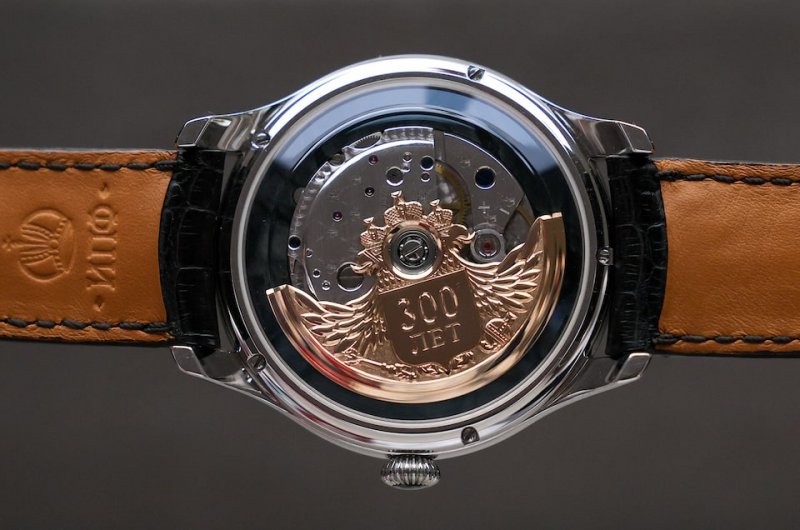
In a restored factory outside St Petersburg, a Soviet-era watch brand is experiencing an unexpected revival—helped by sanctions, nostalgia, and even a public appearance by Vladimir Putin.
At the center of the transformation is British entrepreneur David Henderson-Stewart, who helped rebuild the historic Raketa Watch Factory into a luxury “Made in Russia” brand, News.Az reports, citing Reuters.
Raketa, whose industrial roots date back to 1721, once employed thousands of workers producing watches for astronauts and the Soviet mass market. After years of decline following the collapse of the USSR, the company has reinvented itself as a niche luxury watchmaker.
RECOMMENDED STORIES
Today, its timepieces—priced roughly between $700 and $3,500—draw heavily on Soviet-era designs, including models inspired by space exploration and Cold War engineering aesthetics.
Western sanctions imposed after the war in Ukraine significantly reduced foreign luxury competition inside Russia. However, rather than shrinking demand, the company saw rising domestic interest in locally made premium goods.
Henderson-Stewart said the brand’s appeal lies in its independence from Western supply chains. Most components are still produced in-house using refurbished Soviet-era machinery.
Demand increased further after Putin was seen wearing a watch produced by Raketa’s bespoke offshoot, the Imperial Peterhof Factory.
The appearance was widely interpreted in Russian media as a symbolic endorsement of domestic manufacturing, further boosting interest in similar designs.
Since then, the model has gained popularity among Russian buyers, contributing to increased sales.
Inside the factory, more than 200 employees continue the intricate process of mechanical watchmaking—crafting tiny gears, springs, and components by hand. It remains one of the few watchmakers in the world to produce nearly all mechanical parts internally.
Veteran engineers, some who have worked there since the Soviet era, have played a key role in preserving original designs and technical drawings that survived the company’s turbulent post-Soviet years.
Despite geopolitical shifts and economic pressure, Raketa has positioned itself as a symbol of Russian industrial identity and craftsmanship.
With modest but steady profits and growing demand, the brand’s revival reflects a broader trend: rising interest in domestic luxury goods shaped by nostalgia, nationalism, and changing global trade dynamics.
By Aysel Mammadzada


Similar news