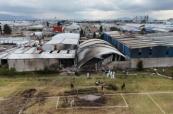
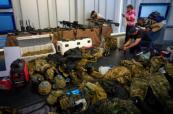
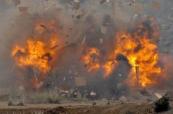
Thai and Cambodian troops exchange fire amid rising tensions -VIDEO


Relations between Thailand and Cambodia sharply deteriorated on Thursday as soldiers exchanged fire along their contested border, following weeks of growing diplomatic tension and a recent land mine explosion that injured a Thai soldier.
The confrontation erupted around 8:20 a.m. near the Prasat Ta Muen Thom temple, a centuries-old Khmer-Hindu site, with both sides blaming each other for initiating the clash, News.Az reports, citing The New York Times.
According to the Thai army, six armed Cambodian soldiers were spotted shortly after the sound of a drone was heard in the area. Soon after, gunfire was exchanged, and three Thai civilians were reported injured. The Thai army claimed Cambodia launched two BM-21 rockets into the Surin province, prompting evacuations from nearby civilian areas. In response, Thai forces reportedly used a field cannon to return fire.
However, Cambodia presented a different narrative. Defense ministry spokesperson Chhum Socheat stated that Thai soldiers had laid barbed wire around the temple, provoking Cambodian troops, who acted in self-defense after Thailand allegedly opened fire first. Prime Minister Hun Manet accused Thai forces of expanding their military actions to include Cambodian positions at the Preah Vihear and Ta Krabei temples in Oddar Meanchey province, asserting that Cambodia was left with no choice but to respond to “this armed invasion.”
The escalation followed a serious incident the previous day, when a Thai soldier lost his right leg due to a land mine explosion near the border. Thailand reacted swiftly by recalling its ambassador from Cambodia and expelling the Cambodian ambassador, effectively downgrading diplomatic ties. Acting Thai Prime Minister Phumtham Wechayachai confirmed that military leaders from both countries would meet Thursday morning, urging the media to report responsibly, given how “these situations can happen all the time.”
Border tensions are not new between the two Southeast Asian neighbors, whose 508-mile boundary has long remained partially undemarcated. Disputes over territory, especially near historical temple sites, have frequently flared into violence. While tensions had simmered for years, they reignited in May following the killing of a Cambodian soldier during a brief border clash.
Domestic political repercussions have also surfaced in Thailand. The Constitutional Court recently suspended Prime Minister Paetongtarn Shinawatra, citing concerns that her phone call with Cambodia’s de facto leader Hun Sen may have violated ethical standards. The conversation, intended to ease bilateral tensions, instead sparked outrage within Thailand over her reportedly deferential tone.
Meanwhile, both sides are hardening their rhetoric. Cambodia's former leader Hun Sen declared on Facebook that Cambodian soldiers “have no choice but to fight back,” while urging citizens to remain calm and not panic-buy essentials like rice. Cambodian officials, through social media, condemned Thailand’s actions as “brutal military aggression” and a violation of Cambodian sovereignty. On the Thai side, military sources confirmed that F-16 fighter jets were now involved in engaging targets across the border.
The situation remains fluid, with both countries accusing each other of instigating the conflict. For civilians living near the border, fear and uncertainty dominate daily life, as the sounds of gunfire and evacuations become increasingly common. Whether diplomacy can succeed in de-escalating the crisis remains to be seen, but the costs of continued violence could be devastating for both nations.


Similar news