The silent invader: Why Spanish bluebells pose a threat to UK gardens


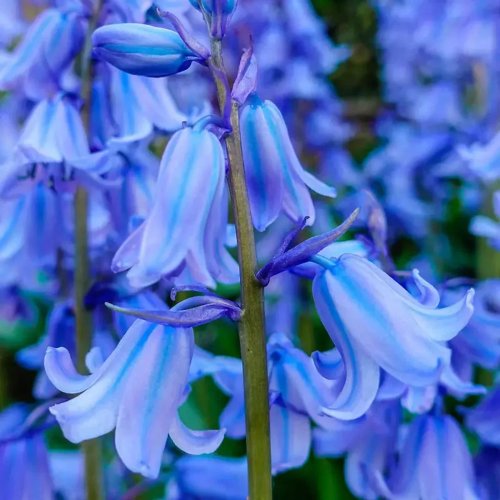
Have you seen this bluebell? Be warned, if you have it in your garden, you are harbouring an invasive species that poses a risk to homegrown blooms.
Gardeners have been asked to watch out for the Spanish bluebell (Hyacinthoides hispanica), a tall, robust plant that is spreading rapidly across the UK and threatening our delicate native bluebells, News.Az reports, citing Country File.
The Spanish bluebell was first introduced as an ornamental garden plant in the 19th century. Unlike the fragile, violet-blue, drooping and fragrant native bluebell, the scentless Spanish bluebell has upright stems, lighter blue bell-shaped flowers and wider leaves than our homegrown variety. Its strength leads to its dominance over the native bluebell, as it spreads rapidly by seed and bulb, often escaping from gardens into woodland and urban areas and outcompeting our smaller bluebell for resources such as light and space.
RECOMMENDED STORIES
It also interbreeds easily with native bluebells, creating fertile hybrids that undermine the native UK population. It is now thought that most bluebells in urban areas are actually hybrids. Chris Bonnett, plant expert and founder of Gardening Express, said: “Spanish bluebells can spread more easily than our native species, so gardeners need to be aware of how quickly they can multiply.
“The biggest risk comes from gardens, where they may be planted for their beauty but can spread beyond boundaries through seeds, bulbs and garden waste if left unchecked."
Native bluebells are a protected species but as the march of Spanish bluebell continues apace, the native bloom is facing a fight for survival in key woodland battlegrounds. Gardeners are urged to familiarise themselves with the two species, so that they can correctly identify and halt the fast spread of the Spanish bluebell.
Also known as the common bluebell, English bluebell, British bluebell, wood bell, fairy flowers and wild hyacinth
This sweet-smelling bloom has a slender, drooping stalk and creamy white pollen. Its deep violet-blue, narrow tubular-bell flowers with curled-back tips appear on only one side of its stem. An early flowerer, it appears in ancient woodlands and woodland edges in April and May, often in swathes of violet-blue blooms that carpet the woodland floor in spring.
By Leyla Şirinova


Similar news