Ukraine presses EU to approve loan based on frozen Russian assets as budget crisis looms


Ukraine is urging European leaders to make a political decision next month on a proposed $163 billion loan backed by frozen Russian state assets, warning that delays could leave Kyiv without essential funding early next year. The issue will return to the agenda at the EU summit on December 18, seen in Kyiv as the final opportunity this year to unlock the so-called “Reparations Loan.”
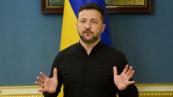
A senior official in President Volodymyr Zelenskiy’s administration told Reuters that Ukraine needs the loan’s structure and governance agreed at the December summit, even if technical details take longer. Iryna Mudra, Zelenskiy’s top legal adviser, said Ukraine must directly participate in decisions on how the funds are allocated, arguing that only Kyiv fully understands the needs on the ground, News.Az reports, citing Reuters.
Ukraine faces an urgent budget gap for 2026 and, with US funding uncertain under President Donald Trump, could run out of money as early as the first quarter of next year. EU leaders last month pledged to meet Ukraine’s immediate financial needs for the next two years but did not approve the use of frozen Russian assets due to Belgian concerns.
European Commission President Ursula von der Leyen has outlined three possible financing mechanisms: the reparations-based loan, direct grants from EU member states, and borrowing on financial markets. The loan tied to frozen Russian assets would raise around 140 billion euros, covering nearly all of Ukraine’s projected 2026–2027 needs, which the Commission estimates at 135.7 billion euros. Russia has warned that any use of its frozen assets would prompt a “painful response.”
Kyiv’s push for funding comes as a major corruption scandal threatens to undermine trust among its Western partners. Two cabinet ministers have already been caught up in the fallout of an alleged $100 million kickback scheme in the energy sector, though neither has been formally accused and both deny wrongdoing. The case has shaken confidence in the government at a critical moment.
Mudra insisted that Zelenskiy reacted decisively and that the scandal demonstrates the independence and effectiveness of Ukraine’s anti-corruption bodies, which the EU has long supported. She emphasised that the case will ultimately be resolved through judicial procedures.


Similar news