US bars Palestinian leader Abbas from UN as allies move to recognize statehood


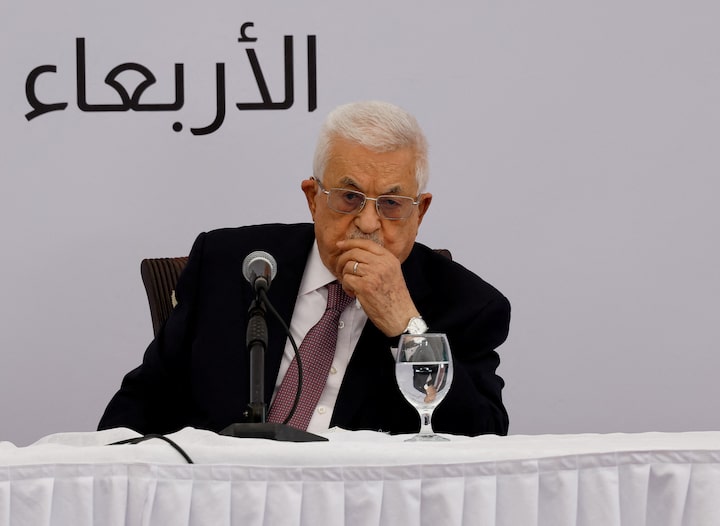
The United States has denied Palestinian Authority President Mahmoud Abbas a visa to attend next month’s United Nations General Assembly in New York, affecting him and about 80 other Palestinian officials. The decision comes as several U.S. allies, including Britain, France, Australia, and Canada, plan to formally recognize Palestine as a state.
Abbas had planned to attend the high-level U.N. gathering and a summit where recognition pledges were to be made. His office condemned the move, saying it violates the 1947 U.N. “headquarters agreement,” which generally guarantees access for foreign diplomats to the U.N. in New York, News.Az reports, citing Reuters.
The U.S. State Department justified the action, citing longstanding security concerns and accusing the Palestine Liberation Organization (PLO) and the Palestinian Authority of failing to repudiate extremism while pushing for “unilateral recognition” of a Palestinian state. Palestinian officials rejected the allegations, noting that decades of U.S.-mediated talks have failed to end Israeli occupation.
European foreign ministers criticized Washington’s decision. French Foreign Minister Jean-Noel Barrot said a U.N. General Assembly “cannot be subject to any restrictions on access,” while Spain’s Jose Manuel Albares called the move “unacceptable,” and Irish Foreign Minister Simon Harris urged the EU to protest “in the strongest possible terms.”
The State Department clarified that the restrictions do not apply to Palestinian officials permanently based at the U.N. Stephane Dujarric, a U.N. spokesperson, confirmed the issue would be discussed with U.S. authorities.
The last comparable case was in 1988 when the U.S. denied a visa to PLO leader Yasser Arafat, forcing the General Assembly to meet in Geneva so he could address it.
Israel welcomed the U.S. decision.


Similar news