US carries out retaliatory strikes on Iran after renewed tensions in Strait of Hormuz


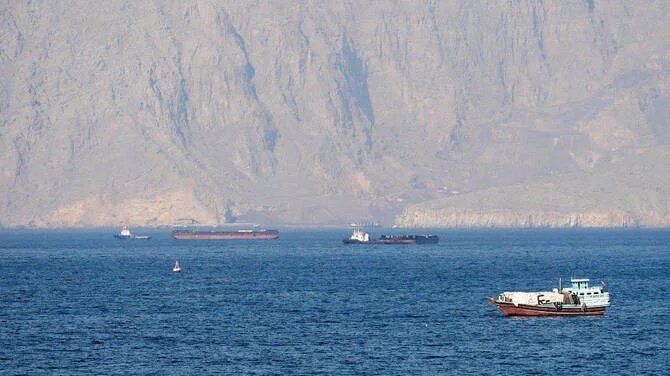
The United States military said it carried out retaliatory strikes on Iran, targeting facilities it claimed were responsible for attacks on American forces during what it described as unprovoked hostilities by Tehran.
According to the US Central Command (CENTCOM), the strikes targeted Iranian military sites connected to missile and drone launches, command and control centers, and intelligence and surveillance infrastructure. The US military stated that the operation was conducted in self-defense, News.Az reports, citing Reuters.
Earlier, Iran’s top joint military command accused the United States of violating a ceasefire by targeting an Iranian oil tanker and another vessel entering the Strait of Hormuz, as well as striking civilian areas.
RECOMMENDED STORIES
The US military said Iran launched multiple missiles, drones, and small boats as three US Navy destroyers — the Truxtun, Peralta, and Mason — passed through the Strait of Hormuz toward the Gulf of Oman. According to CENTCOM, no American military assets were damaged during the confrontation.
US officials stated that while CENTCOM does not seek escalation, American forces remain prepared to defend themselves and protect military personnel in the region.
The latest exchange has raised uncertainty about the future of the ceasefire reached last month. The US military described its actions as defensive measures amid continued tensions between Washington and Tehran.
This is not the first confrontation since the ceasefire began. Earlier this week, the US military said it destroyed six Iranian small boats and intercepted cruise missiles and drones during another incident linked to efforts to secure shipping routes through the Strait of Hormuz.
At the same time, Washington is reportedly still waiting for Iran’s response to a US proposal aimed at ending the conflict. The proposed framework would formally conclude the fighting paused by the April 7 ceasefire, but major disputes remain unresolved, including Iran’s nuclear program and the reopening of the Strait of Hormuz, a key global route for oil and gas supplies.
By Leyla Şirinova


Similar news