US doubles bounty on Venezuela’s Maduro to $50 million


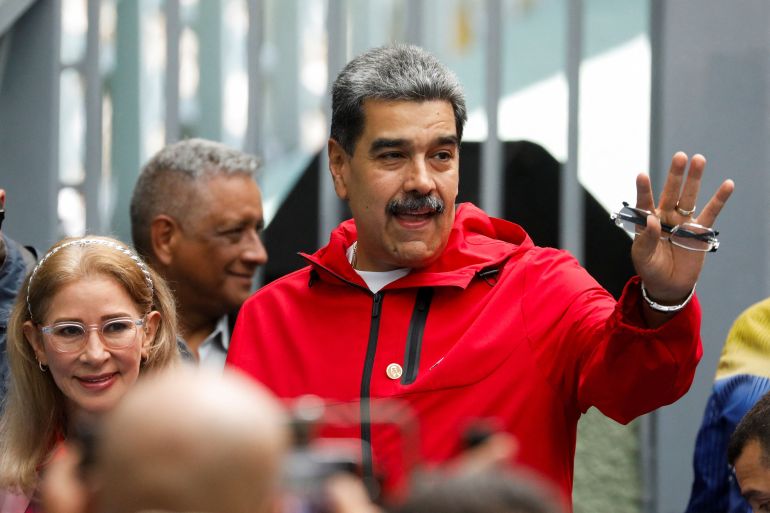
The United States has doubled its reward for information leading to the arrest of Venezuelan President Nicolas Maduro, raising the figure to $50 million. The decision, announced by US Attorney General Pam Bondi, follows accusations that Maduro is one of the world’s most notorious narco-traffickers, allegedly working with powerful criminal organizations such as Tren de Aragua, the Cartel of the Suns, and Mexico’s Sinaloa Cartel to smuggle fentanyl-laced cocaine into the US.
“This historic increase sends a clear message—Maduro will not escape justice,” Bondi said in a video statement, adding that the US has seized more than $700 million in assets linked to the Venezuelan leader, including private jets, luxury vehicles, and shipments of cocaine. She credited President Donald Trump’s leadership for intensifying the crackdown, News.Az reports, citing Al Jazeera.
Venezuelan Foreign Minister Yvan Gil dismissed the announcement as “the most ridiculous smokescreen ever seen,” accusing Washington of using the allegations to distract from domestic controversies, including the Jeffrey Epstein scandal. “The dignity of our homeland is not for sale,” he said on Telegram.
Maduro was first indicted in a US federal court in 2020 on drug trafficking charges, with an initial $15 million reward for his arrest. The Biden administration later raised the bounty to $25 million—matching the sum once offered for Osama bin Laden.
The renewed focus on Maduro comes weeks after Hugo Carvajal, Venezuela’s former military intelligence chief and longtime ally of the late President Hugo Chávez, pleaded guilty in the US to drug trafficking and narco-terrorism charges. Prosecutors alleged that Carvajal and other senior Venezuelan officials ran a drug cartel intent on “flooding” the US with cocaine.
Despite mounting legal pressure and condemnation from Washington, the EU, and several Latin American governments, Maduro remains firmly in power after securing re-election in 2024 in a vote widely dismissed as fraudulent. Recent US–Venezuela dealings have included a prisoner swap that freed 10 Americans in exchange for Venezuelans deported to El Salvador, as well as a reversal of sanctions allowing Chevron to resume drilling operations in the country.


Similar news