US, Mexico sign landmark agreement to curb cross-border sewage crisis in San Diego


The United States and Mexico have reached a long-awaited agreement to significantly reduce the flow of raw sewage from Mexico’s Tijuana River into U.S. waters off the coast of San Diego, a pollution crisis that has plagued the region for decades.
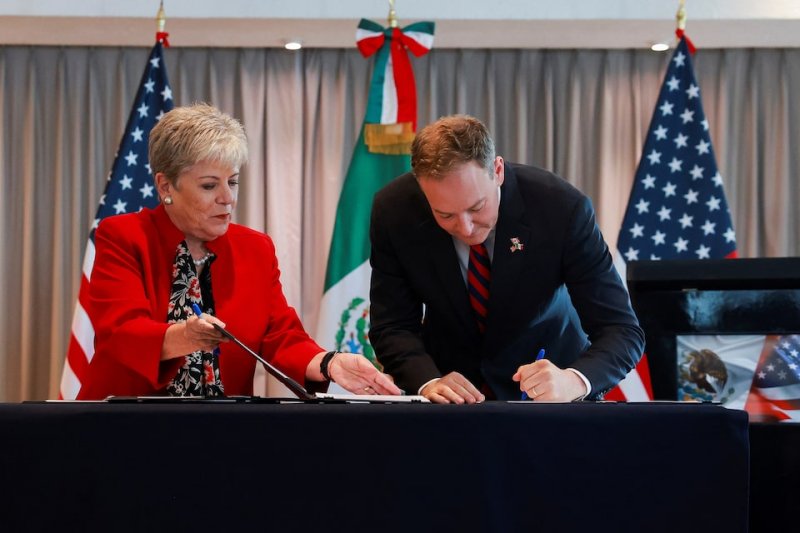
The memorandum of understanding, signed Thursday in Mexico City by U.S. Environmental Protection Agency (EPA) Administrator Lee Zeldin and Mexico’s Environment Minister Alicia Bárcena, commits both countries to fast-track infrastructure improvements and funding allocations aimed at curbing millions of gallons of daily wastewater discharge, News.Az reports, citing Reuters.
“This is a huge win for millions of Americans and Mexicans who have been calling on us to end this decades-old crisis,” Zeldin said.
Mexico will expedite $93 million in upgrades to its aging Tijuana sewage system, with some projects scheduled to be completed four years ahead of the original timeline.
The U.S. will release funds by the end of August to expand its sewage treatment plant near the border, increasing capacity from 25 million to 35 million gallons per day, according to the EPA.
Mexico also committed to doubling the capacity of its San Antonio de los Buenos treatment plant, which recently resumed operation after years of disrepair.
For years, untreated and partially treated sewage from Tijuana has flowed into the Tijuana River, crossing the U.S. border and emptying into the Pacific Ocean near Imperial Beach, California. As a result, much of the beach has been closed to swimming and surfing for the better part of four years, devastating local tourism and raising serious environmental concerns.
The International Boundary and Water Commission (IBWC) has estimated up to 50 million gallons per day of sewage-contaminated water has been entering the U.S., with about half of it raw sewage.
“This isn’t just about infrastructure. It’s about public health, environmental protection, and restoring the quality of life for thousands of residents along the border,” said Bárcena, who stressed the importance of cross-border cooperation during a joint press conference with Zeldin.
The agreement comes at a time of heightened tensions between the two countries over issues like immigration, narcotics trafficking, and arms smuggling. However, both governments signaled their willingness to work together on shared environmental concerns.
With prevailing ocean currents often flowing northward, the pollution has directly impacted U.S. beaches, marine ecosystems, and coastal economies. Local officials and activists have for years demanded a coordinated federal response.
The EPA said the expanded U.S. treatment plant will help intercept and treat more wastewater diverted from Mexico, preventing further pollution of U.S. waters.
Environmental groups cautiously welcomed the agreement, calling it a critical step forward but emphasizing the need for ongoing monitoring and enforcement.
As infrastructure work begins on both sides of the border, authorities hope the agreement marks a turning point in one of the region’s most persistent cross-border environmental challenges.


Similar news