US offers Cuba new relationship and $100M in crisis aid


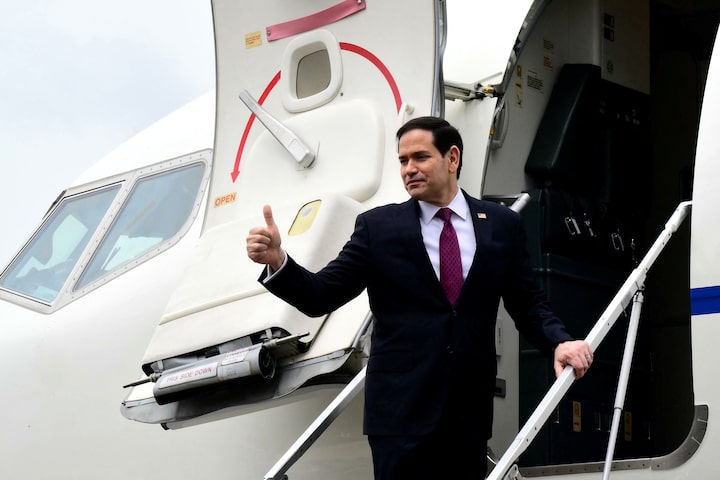
U.S. Secretary of State Marco Rubio has offered a dramatic reset in relations between Washington and Havana, proposing $100 million in humanitarian aid while forcefully blaming Cuba's communist leadership for the island's crippling blackouts and widespread shortages.
In a direct video address delivered in Spanish to coincide with Cuban Independence Day, Rubio pressed the Cuban people to envision a future beyond the current regime, promising American support to navigate the ongoing economic collapse, News.Az reports, citing Reuters.
"We in the U.S. are offering to help you not only alleviate the current crisis, but also to build a better future," Rubio stated in the State Department broadcast.
RECOMMENDED STORIES
The proposed $100 million in emergency food and medicine comes at a time when Cuba is grappling with an near-total collapse of its energy grid and severe food scarcity. However, Rubio made it clear that the funds would bypass the Cuban government entirely, requiring distribution through the Catholic Church or other vetted, independent charitable organizations.
The Secretary of State fiercely rebuked the ruling class, attributing the country's lack of fuel, electricity, and basic necessities to systemic corruption:
The Accusation: "The real reason you don't have electricity, fuel, or food is because those who control your country have plundered billions of dollars, but nothing has been used to help the people," Rubio said.
The Counter-Argument: Cuba's embassy in Washington immediately shot back on social media platform X, accusing Rubio of lying and blasting U.S. economic sanctions as a "cruel and ruthless aggression" meant to intentionally choke the island's fragile economy.
The aid offer arrives alongside a massive escalation in the Trump administration's campaign for regime change on the island. The U.S. Justice Department is expected to announce criminal charges against 94-year-old former Cuban President Raul Castro.
According to U.S. officials, the indictment stems from a notorious 1996 incident where Cuban military jets shot down unarmed civilian planes operated by a Miami-based group of Cuban exiles.
By pairing a direct humanitarian appeal to the civilian population with aggressive legal targeting of its historic revolutionary leaders, Washington is significantly raising the stakes in its geopolitical push against Havana's communist government.
By Aysel Mammadzada


Similar news