Volkswagen denies talks with Chinese rivals over factory space


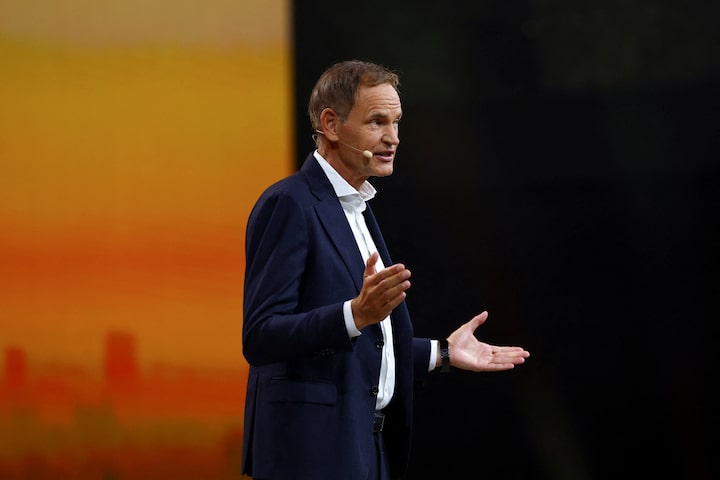
Volkswagen is not in discussions with Chinese automakers to share its manufacturing facilities, CEO Oliver Blume clarified on Wednesday, shutting down intense industry speculation regarding potential cross-border partnerships.
Speaking at a workers' assembly at Volkswagen’s landmark headquarters in Wolfsburg, Germany, Blume addressed the growing pressure on the automotive giant's European production footprint. The company is currently grappling with significant factory overcapacity as consumer buying habits shift, News.Az reports, citing Reuters.
Blume candidly informed employees that the automotive market has fundamentally shifted, stating that the German carmaker will likely never return to its booming pre-pandemic sales volumes within Europe.
RECOMMENDED STORIES
To survive the market downturn and preserve its razor-thin margins, Volkswagen must find a way to manage its underutilized assembly lines without violating strict domestic labor agreements.
The company has explicitly promised its powerful works council and trade unions that it will avoid outright factory closures. To honor that commitment while cutting costs, Blume previously floated alternative survival strategies, which inadvertently triggered the rumors of a Chinese partnership:
The Original Idea: Last month, Blume suggested that VW could lease out its excess factory floor space to defense contractors or look into factory-sharing deals with expanding Chinese electric vehicle (EV) brands looking for a European manufacturing foothold.
The Current Reality: Blume walked back those assumptions on Wednesday, firmly telling the assembly, "There are currently no plans or discussions with Chinese manufacturers."
As cheaper Chinese EV imports continue to flood the European market, Volkswagen is under immense pressure to streamline its operations.
"We still have excess capacity at our plants in Europe and Germany. We need to address this in order to remain competitive," Blume emphasized.
With Chinese automakers ruled out for now, the industrial giant will have to look inward or pivot toward alternative commercial avenues—such as the defense sector—to utilize its massive manufacturing network and protect thousands of domestic automotive jobs.
By Aysel Mammadzada


Similar news