US sees most severe flu season in 25 years


Flu activity has reached its highest level in the United States in 25 years, continuing to cause widespread illness as all but four states report high or very high levels of influenza activity.
The surge is being driven in part by the spread of a new virus strain known as subclade K, News.Az reports, citing CNN.
Using another key indicator—doctor visits for fever accompanied by a cough or sore throat, which are common flu symptoms—the US is now experiencing its most severe level of respiratory illness since at least the 1997–98 flu season. This assessment is based on data released Monday by the US Centers for Disease Control and Prevention.
“This is definitely a banner year,” said Dr. Caitlin Rivers, an epidemiologist and senior scholar at the Johns Hopkins Center for Health Security. “It’s the worst we’ve had in at least 20 years. We’re seeing a majority of the country experiencing very high levels of activity, and we’re still in the thick of it.”
Rivers noted that the severity of the current season is particularly striking because it follows closely on the heels of last year’s unusually severe flu season. Historically, she said, intense flu years do not typically occur in consecutive seasons.
Nationally, about 8.2% of doctor visits were for flu-like symptoms during the last week of the year. At the same point last season, which was also brisk, that number was 6.7%.
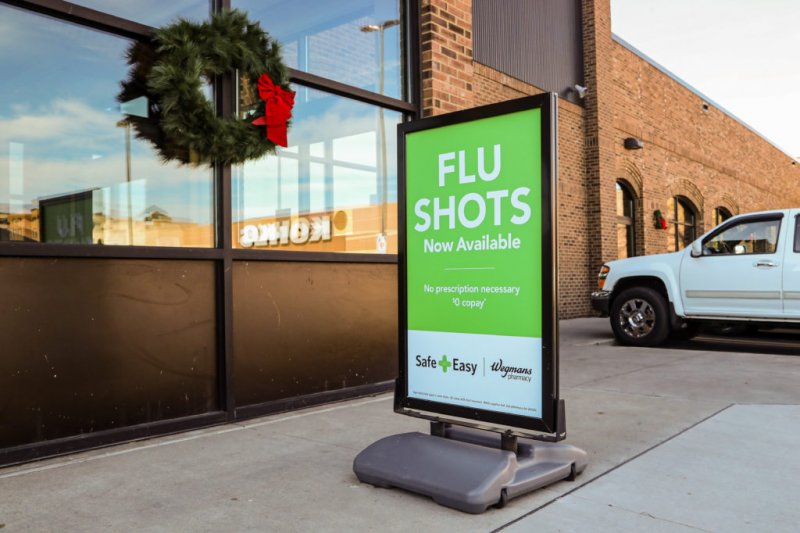
In Massachusetts, which is reporting very high levels of flu activity, health officials urged people to get vaccinated.
“This is a moment for clarity, urgency, and action,” Public Health Commissioner Dr. Robbie Goldstein said in a news release. “These viruses are serious, dangerous, and life-threatening. We are seeing children who are seriously ill, families grieving devastating losses, and hospitals under capacity strain.
“There is a simple, effective, and available way to address these concerns: vaccines,” he added. “They can prevent serious illness and hospitalization. And they save lives. If you have not yet been vaccinated against flu or COVID-19 this season, now is the time. It is not too late. Choosing vaccination is choosing to protect yourself, your family, your friends, your colleagues, and your community.”
Nearly all US states were at high or very high levels of flu activity in the latest data. Montana and Vermont reported low levels of activity, while South Dakota and West Virginia reported moderate levels. Nevada didn’t report flu data this week but showed high levels of flu activity in last week’s report.
In terms of severity – how many people have been hospitalized by the flu – this season is not a standout yet. The cumulative hospitalization rate is the third highest by this point in the season since 2010-11, but that could change as more people are infected.
The CDC estimates that at least 11 million people have had the flu this season, 120,000 have been hospitalized with it and 5,000 people have died.
The agency also received another report of a child’s death, bringing the total number of children who’ve died of influenza this season to nine.
Flu vaccinations have been dropping in children, from a high of 53% over the 2019-20 flu season to 42% at the same point this season.
The new flu data came the same day the US Department of Health and Human services announced a plan to modify the childhood vaccine schedule. The changes would recommend that kids get flu vaccines after a consultation with a health care provider, a provision called shared clinical decision-making, which could make the shots harder for people to access.
Shots are also down in adults, from nearly 61 million in 2019-20 to roughly 48 million this year, CDC data shows.


Similar news