What could be targeted if the US and Israel strike Iran?


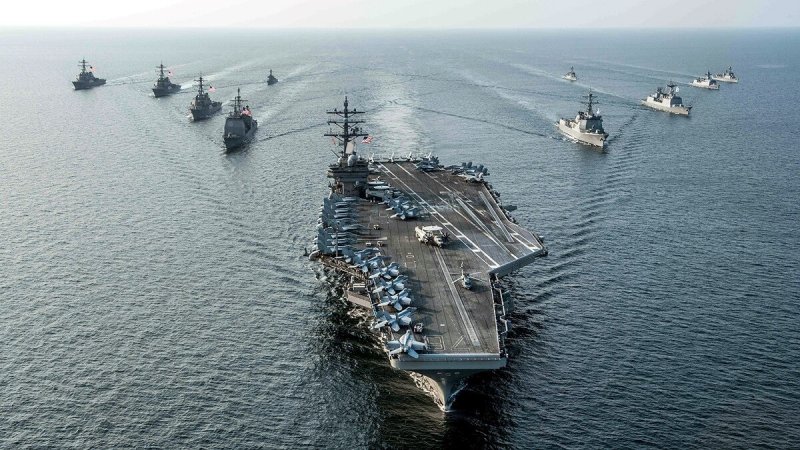
This detailed FAQ explainer examines what could realistically become targets if the United States and Israel were to carry out military strikes against Iran.
Key takeaways
• Any strike would target capabilities, not territory.
• Nuclear facilities would be hit to delay progress, not erase knowledge.
• Missile systems and Islamic Revolutionary Guard Corps command centers shape retaliation.
• The risk of regional escalation would be high.
The focus is on three core areas consistently highlighted by military planners, intelligence analysts, and regional security observers: nuclear facilities, missile infrastructure, and command centers linked to the Islamic Revolutionary Guard Corps.
The purpose of this explainer is not to dramatize or speculate emotionally. Instead, it aims to explain the strategic logic behind each category of targets, how they are structured, why they matter, and what risks and consequences would accompany strikes against them.
Why would Iran be targeted at all?
The central issue behind any potential US or Israeli strike is Iran’s strategic capability rather than territorial ambition. Iran is not accused of planning conventional invasions of neighboring states. The concern lies in its ability to deter adversaries, retaliate across long distances, and project power throughout the Middle East.
Iran has built a security doctrine based on layered deterrence. This includes advanced weapons programs, regional partnerships, and asymmetric warfare methods that allow it to exert influence without relying on traditional military superiority. From Washington’s perspective, this posture threatens allies, endangers global energy routes, and challenges the regional balance of power.
From Israel’s perspective, the threat is more existential. Iranian nuclear progress, combined with support for hostile armed groups, is seen as a direct danger to Israel’s long term security. As a result, any strike scenario would focus on limiting Iran’s capabilities rather than occupying territory or overthrowing the government.
What types of targets would be prioritized?
If a coordinated or parallel US–Israeli strike were to occur, military planners would likely focus on three main categories:
• Nuclear facilities involved in uranium enrichment and weapons related research
• Missile infrastructure supporting long range and precision strike capabilities
• IRGC command centers responsible for regional operations and internal security
Each category plays a distinct role in Iran’s strategic posture and carries its own operational challenges and political risks.
Why are nuclear facilities the primary concern?
What makes Iran’s nuclear sites strategically critical?
Iran’s nuclear program represents the highest stakes target set. The issue is not simply the existence of nuclear technology, but the speed at which Iran could theoretically move toward producing a weapon if it made that decision.
Key nuclear facilities are deeply embedded within Iran’s national infrastructure. Many are hardened, concealed, or buried underground. They are protected by air defense systems and often located near populated areas, making military action complex and risky.
What would a strike aim to achieve?
A strike on nuclear facilities would likely aim to delay rather than eliminate Iran’s nuclear potential. Objectives could include:
• Slowing enrichment timelines
• Destroying centrifuges and specialized equipment
• Disrupting power supply and control systems
• Sending a clear deterrent message about red lines
Military planners generally accept that knowledge cannot be destroyed. The goal would be to buy time and alter strategic calculations.
What are the risks of striking nuclear facilities?
Strikes on nuclear sites carry serious consequences:
• Escalation into a wider regional conflict
• Retaliatory attacks on US forces or Israeli cities
• Environmental and civilian harm if containment is breached
• Political empowerment of hardline factions within Iran
An attack could paradoxically strengthen Iran’s determination to pursue nuclear deterrence rather than abandon it.
How vulnerable are Iran’s nuclear facilities?
Iran has spent decades preparing its nuclear infrastructure to withstand military attack. Facilities are typically:
• Built deep underground
• Spread across multiple locations
• Shielded by layered air defenses
• Integrated into civilian or industrial zones
This design means that even successful strikes would likely have temporary effects unless followed by sustained military pressure or diplomatic resolution.
Why is missile infrastructure a major target?
What role do missiles play in Iran’s strategy?
Missiles form the backbone of Iran’s conventional deterrence. Iran lacks a modern air force comparable to its adversaries, so it relies heavily on ballistic and cruise missiles to project power and threaten retaliation.
These systems allow Iran to reach military bases, cities, and infrastructure across the region without deploying aircraft. Missiles are central to Iran’s ability to deter attacks and respond rapidly to aggression.
What missile assets could be targeted?
Potential targets include:
• Missile production facilities
• Storage depots and underground silos
• Mobile launch platforms
• Research and development centers
What would be the objective of striking missile infrastructure?
The aim would be to reduce Iran’s capacity for immediate and large scale retaliation. By degrading missile systems, attackers would seek to:
• Limit Iran’s rapid response options
• Reduce missile accuracy and range
• Undermine deterrence credibility
However, missiles are easier to conceal and relocate than nuclear facilities, making them difficult to neutralize completely.
Can missile strikes prevent retaliation?
No strike could fully prevent retaliation. Iran’s missile doctrine emphasizes survivability. Mobile launchers, decoys, and underground tunnel networks allow assets to be dispersed quickly.
Even extensive strikes would likely leave Iran with enough capability to respond. This is why missile strikes are often planned alongside air defense suppression and cyber operations.
Why are IRGC command centers key targets?
What is the IRGC’s role inside and outside Iran?
The Islamic Revolutionary Guard Corps is more than a military force. It is a central pillar of Iran’s political, economic, and security system. The IRGC plays a key role in foreign operations, intelligence gathering, and domestic stability.
Externally, it coordinates allied groups and regional networks. Internally, it acts as a guardian of the state during crises.
What types of command centers could be targeted?
Possible targets include:
• Strategic headquarters in major cities
• Regional coordination hubs
• Intelligence and surveillance centers
• Communications and logistics nodes
What would be the aim of hitting IRGC command centers?
The goal would be disruption rather than destruction. Objectives include:
• Severing communication links
• Slowing decision making
• Confusing command and control
• Reducing regional coordination capacity
These strikes are designed to limit Iran’s ability to manage escalation during the early stages of conflict.
Would strikes on IRGC centers weaken Iran politically?
The political impact is uncertain. While such strikes could create short term confusion, they could also strengthen domestic support for the government. Historically, external attacks have often reinforced nationalist sentiment rather than undermined it.
This is why military planners tend to favor limited and precise strikes over symbolic ones.
Could civilian infrastructure be affected?
Yes. Even if civilian targets are not deliberately struck, military assets are often located near urban areas. Power grids, transportation systems, and communication networks could be disrupted indirectly.
Such damage would raise humanitarian concerns and increase international pressure, especially if civilian casualties occur.
Would cyber warfare accompany physical strikes?
Almost certainly. Cyber operations are seen as a critical complement to kinetic action. They can:
• Disrupt air defense systems
• Disable command and control networks
• Interfere with missile launches
• Create confusion without visible destruction
Cyber tools also provide plausible deniability and flexibility.
Could Iran respond asymmetrically?
Yes. Iran’s response would likely extend beyond direct military action. Possible responses include:
• Actions by allied groups in the region
• Disruption of maritime routes
• Cyber attacks on infrastructure
• Political pressure through energy markets
These options ensure that even limited strikes could have global consequences.
Would a strike permanently stop Iran’s programs?
No. Military action can delay progress but cannot eliminate expertise or long term ambition. Infrastructure can be rebuilt and strategies adapted.
This is why most analysts view military strikes as tools of pressure rather than permanent solutions.
Why is escalation such a serious concern?
The Middle East is highly interconnected. A strike on Iran would not remain isolated. It could trigger:
• Regional conflicts involving multiple actors
• Attacks on international shipping
• Energy price volatility
• Long term instability
Decision makers must weigh immediate military gains against broader consequences.
What factors determine whether a strike happens?
Key factors include:
• Intelligence assessments of threat timelines
• The success or failure of diplomatic efforts
• Domestic political pressures
• Regional security incidents
A strike would likely occur only if leaders conclude that other options have been exhausted.
What is the broader strategic takeaway?
If the United States and Israel were to strike Iran, the targets would be carefully selected to degrade capabilities rather than destroy the state. Nuclear facilities, missile infrastructure, and IRGC command centers represent the core pillars of Iran’s strategic power.
Such strikes would involve high risk, uncertain outcomes, and long term consequences. Military action could delay threats, but it would also reshape the regional security environment in unpredictable ways.
Final summary
A potential US–Israeli strike on Iran would focus on:
• Nuclear facilities to delay or disrupt weapons potential
• Missile infrastructure to limit retaliation
• IRGC command centers to disrupt coordination
Each target reflects a calculated attempt to manage risk rather than eliminate Iran as a regional actor. The final outcome would depend not only on military precision, but on how all sides respond once the first strike occurs.
By Faig Mahmudov


Similar news