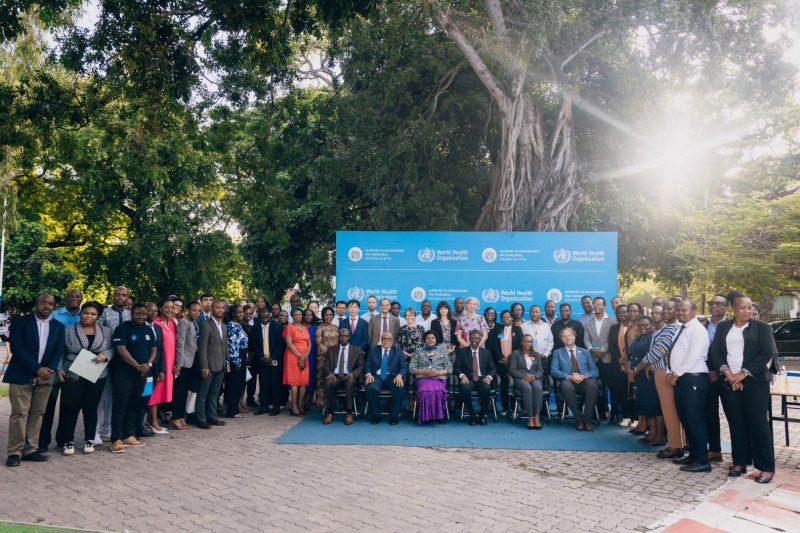
The initiative was organized by a Chinese expert team working under a China aided disease control project.
The event coincided with World Health Day and aimed to raise awareness about one of the most persistent parasitic diseases affecting communities in tropical regions.
What is schistosomiasis and why is it important?
Schistosomiasis is a parasitic disease caused by worms that are transmitted through contact with contaminated freshwater. It remains a major public health concern in parts of Africa, including Tanzania.
Children are particularly vulnerable due to frequent exposure to unsafe water sources. Without proper prevention and treatment, the disease can lead to long term health complications.
How was the awareness campaign conducted?
The Chinese expert team delivered illustrated presentations and interactive sessions designed to engage young students. Through questions and discussions, children were taught how the disease spreads and what steps they can take to protect themselves.
The sessions emphasized practical prevention methods such as avoiding contact with contaminated water, drinking safe water and maintaining good hygiene practices.
Students were also encouraged to participate in mass drug administration programs, which are widely used to control the spread of the disease.
Who led the initiative?
The campaign was led by Wang Wei, who highlighted the importance of educating children at an early age.
He stressed that schools play a key role in shaping healthy behaviors and reducing disease risks in vulnerable communities. He also reaffirmed the commitment of the Chinese team to continue working with local partners.
What role do local authorities play?
Local education officials have expressed strong support for the initiative. Fatma Rashid Massoud praised the long term contributions of the Chinese experts, noting their impact on public awareness and health development.
Collaboration between international teams and local institutions is seen as essential for sustaining progress in disease prevention.
Why focus on school based health education?
Schools provide an effective platform for reaching large numbers of children and promoting behavioral change. By integrating health education into school activities, authorities can ensure that prevention messages are widely understood and applied.
This approach also helps students share knowledge with their families and communities, amplifying the overall impact.
How does this fit into broader China Tanzania cooperation?
The campaign is part of a wider cooperation framework between China and Tanzania in public health. Through technical assistance, training and community outreach, Chinese experts have supported efforts to control infectious diseases in Zanzibar.
Such initiatives reflect a growing emphasis on global health collaboration, particularly in regions where resources and infrastructure may be limited.
What are the expected outcomes?
Increased awareness among students is expected to reduce risky behaviors and improve participation in prevention programs. Over time, this can contribute to lowering infection rates and improving overall community health.
Sustained education efforts, combined with medical interventions, are considered key to eventually eliminating schistosomiasis as a public health threat.
Conclusion
The health campaign in Zanzibar highlights the importance of education in disease prevention. By targeting young students and promoting practical knowledge, the initiative aims to build long term resilience against schistosomiasis and support broader public health goals in the region.