What is behind Iran's executions? What were the two men accused of?


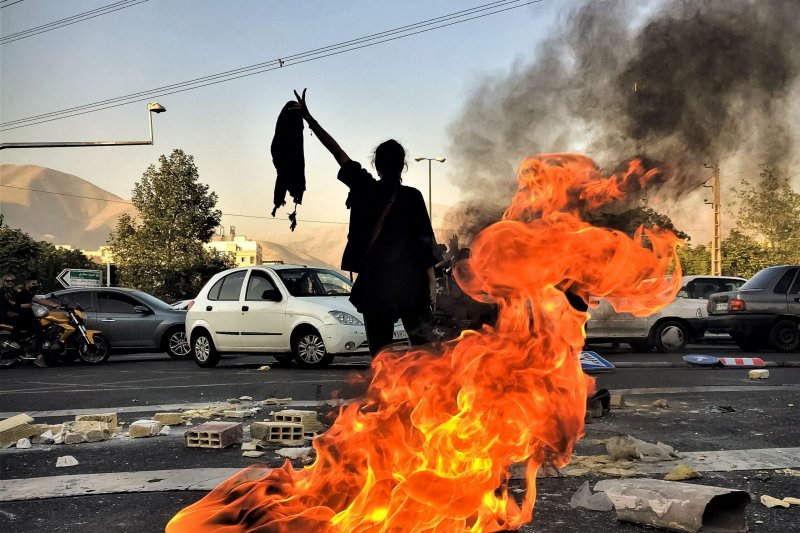
Iran has executed two men accused of playing leading roles in the anti-government protests that swept the country in January, marking the latest development in a widening crackdown that has drawn international attention and renewed concerns about the use of the death penalty against political dissidents.
The executions come amid continuing tensions inside Iran following months of unrest, economic difficulties, internet restrictions, political arrests and growing confrontation between the Iranian government and its critics, News.az reports.
Iranian authorities said the men were convicted of serious crimes linked to violence during the protests, while human rights groups have repeatedly raised concerns about the fairness of trials connected to the unrest.
The case has once again placed Iran’s judicial system, protest movement and human rights record under global scrutiny.
What happened?
Iranian authorities announced that two men accused of involvement in the January protests had been executed after their death sentences were upheld by the country's Supreme Court. State-affiliated media identified them as Mehrdad Mohammadinia and Ashkan Maleki. Authorities said they were convicted of setting fire to a mosque, damaging public property, blocking roads and clashing with security forces during demonstrations in Tehran.
According to judicial reports, the executions were carried out after all legal procedures had been completed under Iranian law. Officials described the two men as among the principal participants in attacks on the Jafari Mosque in Tehran's Gisha district.
The announcement immediately triggered renewed debate over Iran’s response to the nationwide protests that erupted earlier this year.
What were the January protests?
The January protests represented one of the most significant waves of anti-government unrest in recent Iranian history.
The demonstrations were fueled by a combination of economic hardship, inflation, political grievances, dissatisfaction with government policies and broader demands for political change. Protest activity spread across multiple cities and provinces, creating one of the most serious domestic challenges faced by Iranian authorities in recent years.
Iranian officials argued that the protests involved organized violence, attacks on public institutions and attempts to destabilize the country. Protesters and opposition activists, however, described the demonstrations as a reflection of public frustration over economic and political conditions.
The differing interpretations of the protests continue to shape debate inside and outside Iran.
Why were the two men sentenced to death?
According to Iranian judicial authorities, the two men were convicted for actions connected to violent incidents during the protests.
Officials stated that the defendants participated in attacks on religious and public facilities, damaged property and engaged in confrontations with security forces. The judiciary maintained that the convictions were based on evidence reviewed through the legal process and later confirmed by higher courts.
The death penalty remains available in Iran for certain crimes involving national security, violence, terrorism and other serious offenses.
Iranian courts concluded that the actions attributed to the defendants justified capital punishment.
Why are the executions controversial?
The executions are controversial because they occur in the context of political protests and allegations of human rights abuses.
International human rights organizations have repeatedly expressed concern over the handling of protest-related cases in Iran. Several groups argue that defendants linked to the January protests have faced expedited legal proceedings, limited access to legal representation and trials that failed to meet international standards.
Iranian authorities reject these allegations and insist that defendants receive fair judicial treatment under domestic law.
The disagreement between the government and rights organizations has become a central feature of international discussions about Iran's judicial practices.
How many people have been executed in connection with the protests?
The two latest executions are part of a broader series of death sentences and executions connected to the January unrest.
Earlier this year, Iranian authorities executed several other individuals accused of participating in violent acts during the demonstrations. These included men convicted of attacks on police officers and military facilities, according to Iranian judicial sources.
Human rights organizations argue that dozens more detainees remain at risk of execution following protest-related convictions. Amnesty International has warned that many individuals arrested during the unrest continue to face capital charges.
The issue has become one of the most closely monitored aspects of Iran's domestic political situation.
What is Iran's position?
Iranian officials maintain that the country is enforcing its laws against individuals responsible for violence, vandalism and attacks on public institutions.
Authorities argue that the protests were not solely peaceful demonstrations but included organized efforts to undermine national security and attack government facilities. They contend that strong legal action is necessary to preserve public order and deter future violence.
Government officials have repeatedly stated that they distinguish between peaceful criticism and actions they consider criminal.
From the state's perspective, the executions are part of the legal response to crimes committed during the unrest rather than punishment for political opinions.
What do human rights groups say?
Human rights organizations have strongly criticized Iran's handling of protest-related prosecutions.
Groups including Amnesty International have alleged that some defendants were subjected to torture, forced confessions and unfair trials. They argue that the death penalty is being used as a tool to suppress dissent and intimidate opposition movements.
These organizations have called for independent investigations into protest-related convictions and have urged Iran to halt executions linked to political unrest.
Iranian authorities reject such criticism and accuse foreign organizations of political bias and interference in domestic affairs.
How has the international community reacted?
Western governments and international organizations have frequently expressed concern regarding executions linked to political protests in Iran.
Previous protest-related executions prompted condemnation from several countries, human rights bodies and international advocacy groups. Critics argue that the use of capital punishment in politically sensitive cases raises serious concerns about due process and civil liberties.
Iran, however, insists that its judicial decisions are internal matters governed by national law.
The disagreement reflects broader tensions between Iran and many Western governments over human rights, governance and political freedoms.
Could the executions affect domestic stability?
The impact on domestic stability remains uncertain.
Supporters of the government's approach argue that strong enforcement measures help deter violence and maintain order.
Critics argue the opposite. They contend that executions and harsh punishments may deepen social divisions and increase public dissatisfaction. Some analysts believe that severe crackdowns can reduce protest activity in the short term while potentially intensifying underlying grievances over the longer term.
The true political consequences may not become clear for months or years.
What role did internet restrictions play?
The January protests were accompanied by major restrictions on internet access.
Iran implemented one of its longest internet disruptions during the unrest. Digital rights groups and researchers argued that the shutdown limited communication among protesters and reduced the flow of information both inside and outside the country.
Iranian officials said restrictions were necessary for security reasons.
The internet shutdown became one of the defining features of the government's response to the protests.
Why is the death penalty such an important issue in Iran?
Iran remains one of the countries that uses capital punishment most extensively.
The death penalty can be applied for a range of offenses, including murder, drug trafficking, terrorism and certain crimes categorized as threats to national security.
Because executions are sometimes linked to political unrest, they frequently become a focus of international criticism.
Supporters of the system argue that severe punishments help protect public order and deter serious crimes.
Opponents argue that capital punishment should not be used under any circumstances and raise concerns about judicial transparency and due process.
Could more executions follow?
Human rights organizations fear additional executions may occur.
According to advocacy groups, numerous individuals arrested during the January protests remain under sentence of death or face charges that could potentially result in capital punishment.
Iranian judicial officials have indicated that protest-related cases continue to move through the legal system.
As a result, international attention is likely to remain focused on future court decisions and sentencing outcomes.
What does this mean for Iran's political future?
The executions highlight the continuing struggle between the Iranian state and segments of society demanding political and economic change.
While authorities appear determined to demonstrate control and discourage future unrest, underlying issues that contributed to the protests remain subjects of debate.
Economic pressures, political dissatisfaction, regional tensions and international sanctions continue to influence public sentiment.
Whether the government's approach succeeds in restoring long-term stability or contributes to future tensions remains one of the key questions facing Iran today.
By Faig Mahmudov


Similar news