What is behind Kuwait's reported missile and drone attack?


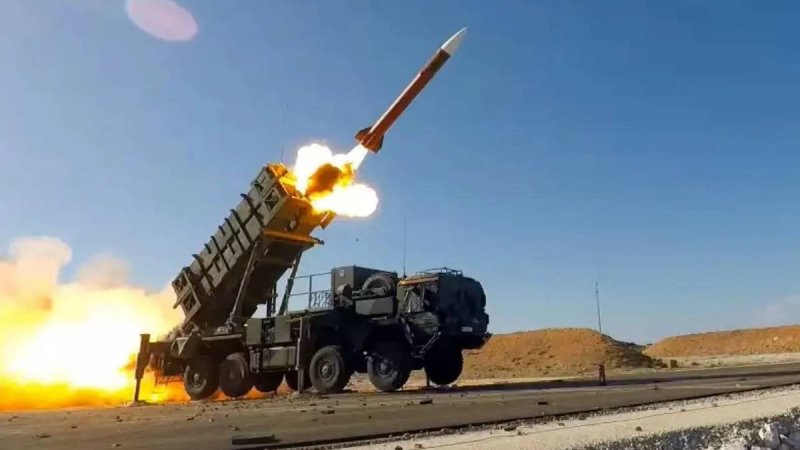
Kuwait's announcement that its air defence systems intercepted hostile missiles and drones has intensified concerns about a widening security crisis in the Gulf.
The incident occurred amid rising tensions linked to military exchanges involving Iran and the United States, prompting fears that a broader regional confrontation could be unfolding, News.az reports.
The reported attack triggered air raid sirens, emergency alerts and heightened security measures across Kuwait. While authorities said air defence systems successfully engaged incoming threats and no immediate casualties were reported, the event has renewed questions about the vulnerability of Gulf states to missile and drone warfare.
As governments, businesses and global energy markets closely monitor developments, analysts are examining whether the incident represents an isolated event or part of a larger escalation that could affect regional stability, oil exports and international security.
What happened in Kuwait?
Kuwaiti authorities reported that hostile missiles and drones entered the country's airspace, prompting the activation of national air defence systems.
Residents in several areas reported hearing explosions during the early hours of the morning. The Kuwaiti military later clarified that these sounds were linked to defensive operations targeting incoming aerial threats.
Emergency warnings were issued through official channels, while security agencies urged the public to remain calm and follow government instructions.
Although the exact number of intercepted missiles and drones has not been publicly disclosed, officials described the response as successful and stated that defensive systems functioned as intended.
The government also emphasized that national security institutions remain on high alert and are closely monitoring the evolving regional situation.
Why is this attack significant?
The incident is significant because Kuwait has generally avoided becoming a direct target during previous regional confrontations.
While Gulf countries have faced security risks linked to conflicts involving Iran, Iraq, Yemen and various non state actors over the years, direct missile and drone threats against Kuwait remain relatively uncommon.
The attack highlights how modern regional conflicts increasingly extend beyond traditional battlefields.
Missiles and drones can travel hundreds or even thousands of kilometres, allowing conflicts to affect countries that are not directly involved in military operations.
As a result, even states attempting to maintain balanced diplomatic positions can find themselves exposed to regional instability.
What triggered the escalation?
The reported attack came shortly after the United States confirmed strikes against Iranian military infrastructure.
According to American officials, the operation targeted radar installations and drone command facilities that Washington claimed were connected to hostile actions against U.S. assets.
Iranian officials condemned those strikes and warned that retaliation would follow.
Subsequent reports suggested that missile and drone attacks were launched against facilities associated with American interests and regional partners.
The incident involving Kuwait therefore appears to be part of a broader cycle of action and retaliation that has increased tensions throughout the Gulf region.
Who was responsible?
At the time of reporting, responsibility for the attack had not been fully established through independent verification.
Regional security incidents often involve competing claims and counterclaims from multiple actors.
Governments frequently conduct investigations before assigning formal responsibility.
However, the timing of the incident has inevitably linked it to ongoing tensions involving Iran, the United States and allied regional partners.
Security analysts caution that attribution in missile and drone incidents can be complex, particularly when multiple armed groups and military organizations operate across the region.
For that reason, official investigations remain important before definitive conclusions are reached.
How effective were Kuwait's air defences?
Initial reports suggest that Kuwait's air defence systems performed effectively.
Authorities stated that incoming threats were intercepted before causing major damage.
The Gulf region has invested heavily in missile defence technology during the past two decades.
Countries including Kuwait, Saudi Arabia, the United Arab Emirates and Qatar have strengthened their air defence networks in response to evolving regional threats.
Modern defence systems integrate radar networks, command centres and interceptor missiles designed to identify and neutralize incoming aerial threats.
The latest incident is likely to prompt additional assessments regarding the effectiveness of these systems and possible areas for improvement.
Why are drones becoming such a major threat?
Drone technology has transformed modern warfare.
Relatively inexpensive compared with traditional military aircraft, drones can conduct surveillance, deliver explosives and overwhelm defence systems through coordinated attacks.
Many regional conflicts now feature extensive drone usage because these systems are accessible, difficult to detect and capable of striking targets with considerable precision.
Security experts note that drone warfare has fundamentally altered military planning.
Countries must now defend against both traditional missile threats and increasingly sophisticated unmanned aerial systems.
This dual challenge places additional pressure on defence budgets and security planning.
How does this affect Gulf security?
The incident raises important questions about the future of Gulf security.
The region is home to some of the world's most important energy infrastructure, shipping routes and military installations.
Any escalation involving missile or drone attacks increases risks for governments, businesses and international markets.
Security concerns extend beyond military targets.
Critical infrastructure such as airports, ports, desalination facilities, power stations and oil production sites can all become potential targets during periods of heightened tension.
As a result, Gulf states are likely to increase coordination on air defence, intelligence sharing and emergency preparedness.
Could oil markets be affected?
Energy markets closely monitor developments in the Gulf because the region plays a central role in global oil production and exports.
Even limited security incidents can influence market sentiment.
Investors often react to uncertainty by anticipating potential disruptions to supply chains or shipping routes.
The Strait of Hormuz remains particularly important.
A significant percentage of global oil exports passes through this narrow waterway.
Any threat to maritime security can quickly affect energy prices and shipping costs.
Although no direct disruption to oil exports was reported following the Kuwait incident, analysts warn that continued escalation could increase market volatility.
What is the Strait of Hormuz and why does it matter?
The Strait of Hormuz is one of the world's most strategically important maritime chokepoints.
Located between the Persian Gulf and the Gulf of Oman, it serves as a critical route for energy exports from several Gulf producers.
Millions of barrels of oil pass through the strait each day.
Because of its importance, any military confrontation affecting nearby waters immediately attracts international attention.
Governments, shipping companies and financial markets closely watch developments in the area.
Concerns about freedom of navigation and maritime security often become major diplomatic priorities during periods of regional tension.
How has Kuwait responded diplomatically?
Kuwaiti officials condemned the attack and reaffirmed the country's commitment to protecting its sovereignty.
The government called for respect for international law and emphasized the importance of avoiding further escalation.
Kuwait has traditionally pursued a balanced foreign policy focused on dialogue and regional stability.
Throughout previous regional crises, the country has often supported diplomatic efforts aimed at reducing tensions.
Analysts expect Kuwaiti leaders to continue advocating de escalation while simultaneously strengthening defensive preparedness.
What role does the United States play in Kuwait's security?
The United States has maintained a significant security relationship with Kuwait for decades.
Following the 1991 Gulf War, military cooperation between the two countries expanded considerably.
Kuwait hosts facilities that support regional security operations and maintains close defence ties with Washington.
American military presence in the region has long been viewed as a deterrent against external threats.
At the same time, it can also make regional security dynamics more complex when tensions rise between Washington and its adversaries.
The latest developments highlight the interconnected nature of regional security partnerships.
Could this lead to a wider conflict?
This remains one of the most important questions.
At present, there is no certainty that the incident will develop into a broader war.
However, every exchange involving missiles, drones or military strikes increases the risk of miscalculation.
History shows that regional crises can escalate rapidly when multiple actors become involved.
Diplomatic communication therefore becomes essential during periods of heightened tension.
Governments around the world are likely to encourage restraint and support efforts aimed at preventing further military escalation.
How are ordinary citizens affected?
For residents of Kuwait and neighbouring countries, such incidents create uncertainty and anxiety.
Air raid sirens, emergency alerts and security warnings can have a significant psychological impact even when physical damage is limited.
Governments typically respond by increasing security measures, reviewing emergency procedures and providing public information updates.
Citizens are encouraged to remain informed through official channels and avoid spreading unverified reports.
Maintaining public confidence becomes an important component of crisis management.
What happens next?
Several developments are likely in the coming days.
Authorities will continue investigating the incident and assessing any damage.
Military forces across the region may maintain elevated alert levels.
Diplomatic activity is also expected to intensify as governments seek to prevent further escalation.
International organizations and major powers will closely monitor the situation.
The coming weeks may determine whether the incident remains a contained security event or becomes part of a larger regional confrontation.
FAQ
What did Kuwait report?
Kuwait reported that its air defence systems intercepted hostile missiles and drones that entered its airspace, triggering emergency alerts and defensive operations.
Were there any casualties?
Authorities said there were no immediate reports of casualties or significant damage.
Why is this incident important?
The attack highlights growing regional security risks and demonstrates how missile and drone warfare can affect countries beyond the immediate conflict zone.
What caused the escalation?
The incident followed military exchanges involving the United States and Iran, increasing tensions across the Gulf region.
Could oil prices be affected?
Yes. Security incidents in the Gulf often influence energy markets because of the region's importance to global oil supplies.
Is Kuwait at war?
No. Kuwait has not declared war and continues to emphasize diplomacy while maintaining defensive readiness.
Could more attacks occur?
Security analysts warn that the possibility cannot be ruled out if regional tensions continue to rise.
What does this mean for Gulf stability?
The incident underscores the importance of regional security cooperation, diplomatic engagement and effective air defence capabilities in maintaining stability across the Gulf.
By Faig Mahmudov


Similar news