What is hantavirus? Everything to know about the deadly virus


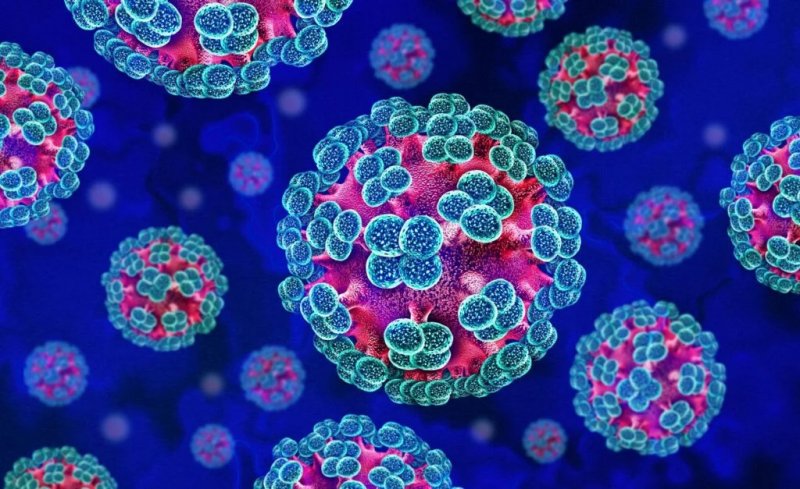
Hantavirus is a rare but potentially serious viral infection transmitted mainly through contact with infected rodents or their droppings, urine, and saliva. Although infections are uncommon, health experts closely monitor the disease because some forms can lead to severe respiratory illness or kidney complications.
The virus exists in different parts of the world and causes varying diseases depending on the strain.
RECOMMENDED STORIES
In the Americas, hantavirus can lead to Hantavirus Pulmonary Syndrome, often referred to as HPS, while in Europe and Asia it is more commonly associated with Hemorrhagic Fever with Renal Syndrome, known as HFRS.
Below is a detailed FAQ explainer covering everything you need to know about hantavirus.
What is hantavirus?
Hantavirus refers to a family of viruses carried primarily by rodents. Humans can become infected after exposure to infected rodents or contaminated environments.
The disease first gained major international attention in the early 1990s after an outbreak in the southwestern United States. Since then, cases have been identified in several countries across North and South America, Europe, and Asia.
Different rodent species carry different strains of the virus. Deer mice are among the best known carriers in North America.
How dangerous is hantavirus?
Hantavirus infections can be very serious. Some forms of the disease may cause severe breathing problems and can become life threatening if not treated quickly.
The mortality rate varies depending on the strain and the speed of medical intervention. Hantavirus Pulmonary Syndrome has a relatively high fatality rate compared with many other viral illnesses.
However, early recognition of symptoms and rapid medical care can significantly improve outcomes.
How do people get infected with hantavirus?
People are most commonly infected by breathing in virus particles that become airborne from rodent urine, droppings, or saliva.
This can happen while:
• Cleaning cabins, garages, sheds, or storage spaces with rodent infestations
• Sweeping or vacuuming dried rodent droppings
• Entering abandoned or poorly ventilated buildings
• Handling contaminated materials
• Touching surfaces contaminated with rodent waste and then touching the mouth or nose
In rare cases, bites from infected rodents may also spread the virus.
Some strains in South America have shown limited human to human transmission, but this is considered uncommon.
Can hantavirus spread between people?
Most hantavirus strains do not spread from person to person.
In North America, there is no confirmed evidence of routine human to human transmission. Most infections occur directly through exposure to infected rodents or contaminated environments.
However, certain strains identified in South America have been linked to limited interpersonal transmission.
Which animals carry hantavirus?
Rodents are the primary carriers of hantavirus.
Common carriers include:
• Deer mice
• Cotton rats
• Rice rats
• White footed mice
• Bank voles
• Field mice
The infected animals usually do not appear sick themselves.
Where is hantavirus found?
Hantavirus has been detected in many regions worldwide.
Cases have been reported in:
• The United States
• Canada
• Argentina
• Chile
• Brazil
• China
• South Korea
• Russia
• Several European countries
The type of disease and severity often depend on the geographic region and the specific virus strain involved.
What are the symptoms of hantavirus?
Symptoms usually appear one to eight weeks after exposure.
Early symptoms often resemble influenza or other viral infections and may include:
• Fever
• Fatigue
• Muscle aches
• Headaches
• Chills
• Dizziness
• Nausea
• Vomiting
• Abdominal pain
As the disease progresses, especially in Hantavirus Pulmonary Syndrome, symptoms can rapidly worsen and include:
• Shortness of breath
• Coughing
• Fluid buildup in the lungs
• Rapid heartbeat
• Low blood pressure
In severe cases, patients may require intensive care and mechanical ventilation.
Why is hantavirus difficult to diagnose early?
The early symptoms are similar to many common illnesses such as influenza, COVID 19, or seasonal respiratory infections.
Because hantavirus is rare, it may not be immediately suspected unless doctors know the patient had recent exposure to rodents or contaminated environments.
Travel history, occupational exposure, and environmental conditions can help physicians identify possible infections.
What is Hantavirus Pulmonary Syndrome?
Hantavirus Pulmonary Syndrome, or HPS, is the severe respiratory form of hantavirus infection seen mainly in the Americas.
The illness often develops in two phases.
The first phase includes flu like symptoms such as fever and muscle aches. After several days, patients may suddenly develop serious breathing difficulties as fluid accumulates in the lungs.
This stage can become critical very quickly and requires emergency medical treatment.
What is Hemorrhagic Fever with Renal Syndrome?
Hemorrhagic Fever with Renal Syndrome, known as HFRS, is another form of hantavirus infection more commonly found in Europe and Asia.
It can cause:
• Fever
• Bleeding abnormalities
• Low blood pressure
• Kidney dysfunction
• Acute kidney injury
Severity ranges from mild illness to potentially fatal disease.
How is hantavirus diagnosed?
Doctors diagnose hantavirus using:
• Blood tests
• Antibody testing
• Polymerase chain reaction testing
• Clinical examination
• Exposure history
Chest imaging may also be used if respiratory symptoms develop.
Is there a cure for hantavirus?
There is currently no specific antiviral cure approved for most hantavirus infections.
Treatment mainly focuses on supportive care, including:
• Oxygen therapy
• Intravenous fluids
• Intensive care monitoring
• Mechanical ventilation in severe respiratory cases
Early hospitalization is extremely important.
Are there vaccines for hantavirus?
There is no widely available vaccine for hantavirus approved for general global use.
Some countries have conducted vaccine research and limited vaccination programs, but prevention still relies mainly on avoiding rodent exposure.
Who is most at risk of hantavirus infection?
People at higher risk include:
• Farmers
• Forestry workers
• Construction workers
• Campers and hikers
• People cleaning abandoned buildings
• Rural residents
• Pest control workers
Risk increases in environments where rodents are common.
Can hantavirus be caught from pets?
Dogs and cats are not known to spread hantavirus directly to humans.
However, pets may occasionally bring infected rodents into homes, increasing indirect exposure risk.
Maintaining good pest control and hygiene practices remains important.
How can people protect themselves from hantavirus?
Preventing rodent infestations is the most effective protection.
Recommended safety measures include:
• Sealing holes and gaps in buildings
• Storing food in rodent proof containers
• Removing trash and clutter
• Setting traps when necessary
• Avoiding direct contact with rodents
• Ventilating closed spaces before cleaning
• Wearing gloves and masks when cleaning contaminated areas
Health authorities also recommend avoiding sweeping or vacuuming rodent droppings directly because this can spread virus particles into the air.
Instead, contaminated areas should be disinfected with cleaning solutions before removal.
How should rodent droppings be cleaned safely?
Experts generally advise the following process:
• Open windows and air out the space
• Wear rubber or disposable gloves
• Spray droppings with disinfectant
• Allow disinfectant to soak
• Use paper towels to remove waste
• Dispose of contaminated materials carefully
• Wash hands thoroughly afterward
Vacuuming dry droppings should be avoided.
Is hantavirus common?
Hantavirus remains relatively rare compared with many infectious diseases.
However, because severe cases can become life threatening, even small outbreaks attract significant public health attention.
Most countries report only limited numbers of confirmed cases each year.
Can hantavirus outbreaks occur after natural disasters?
Yes. Floods, storms, and environmental disruption can increase contact between humans and rodents.
After natural disasters, displaced rodent populations may move into homes, shelters, or storage areas, increasing infection risk.
Public health agencies often issue warnings in affected regions.
What should someone do if they suspect hantavirus exposure?
Anyone experiencing fever, fatigue, or breathing difficulties after rodent exposure should seek medical attention immediately.
Informing healthcare providers about possible contact with rodents can help speed diagnosis and treatment.
Early intervention may save lives.
Why does hantavirus continue to concern health experts?
Although rare, hantavirus remains important because:
• Severe cases can progress rapidly
• Mortality rates may be high
• Early symptoms resemble common illnesses
• Environmental and climate changes may affect rodent populations
• There is no universally available vaccine or targeted cure
For these reasons, public awareness and prevention remain essential.
By Faig Mahmudov


Similar news