What is the current phase of the Russia-Ukraine war?


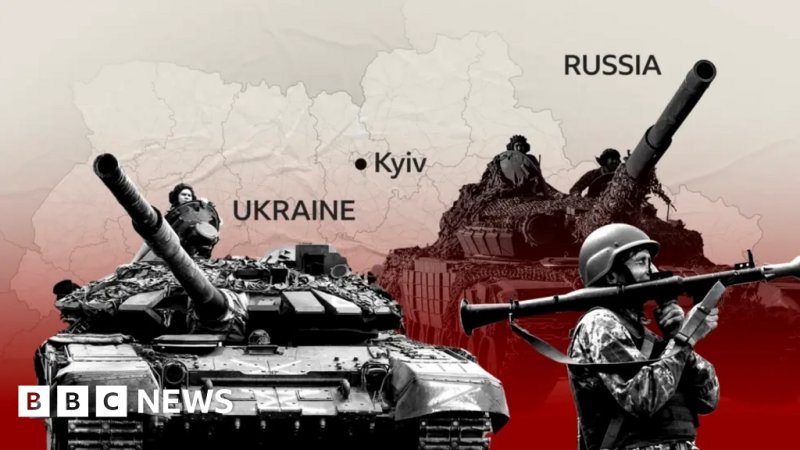
The Russia-Ukraine war has entered a prolonged and complex phase characterized by attritional warfare, strategic adaptation, and geopolitical recalibration.
Unlike the earlier stages that saw rapid territorial advances and large scale offensives, the current phase is defined by entrenched frontlines, incremental gains, and a heavy reliance on artillery, drones, and long range strikes.
RECOMMENDED STORIES
Both Russia and Ukraine are increasingly focused on exhausting each other’s military capacity while simultaneously seeking to shape diplomatic and economic outcomes in their favor.
This stage of the conflict reflects a shift from maneuver warfare to a war of endurance. The battlefield has stabilized in many areas, but this does not imply a reduction in intensity. On the contrary, daily engagements remain frequent, and both sides are investing heavily in new tactics and technologies to break the stalemate.
Why is the conflict considered to be in a stalemate
The term stalemate is often used to describe the current situation because neither side has achieved a decisive breakthrough. Ukraine has struggled to regain all occupied territories despite receiving advanced Western weaponry, while Russia has been unable to secure a comprehensive victory or fully control key strategic regions.
Several factors contribute to this stalemate. First, defensive fortifications on both sides have become highly sophisticated, including trenches, minefields, and anti tank barriers. Second, the widespread use of drones has enhanced surveillance and precision targeting, making large scale offensives more difficult. Third, both militaries have adapted to each other’s tactics, reducing the element of surprise.
However, calling it a stalemate can be misleading. The situation is dynamic, with localized offensives, tactical gains, and continuous shifts in battlefield conditions.
What are the main military strategies used by both sides
Russia has focused on leveraging its numerical advantage in manpower and resources. Its strategy emphasizes sustained pressure through artillery barrages, missile strikes, and gradual advances. Russia has also targeted Ukraine’s energy infrastructure and logistics networks in an attempt to weaken morale and disrupt supply chains.
Ukraine, on the other hand, has adopted a strategy centered on precision and flexibility. It relies heavily on Western supplied systems such as advanced artillery, air defense systems, and long range missiles. Ukraine has also become highly effective in drone warfare, using both reconnaissance and attack drones to target Russian positions and supply lines.
Another key element of Ukraine’s strategy is asymmetric warfare. By striking deep behind enemy lines, including in occupied territories and even within Russia, Ukraine aims to create strategic pressure and force Russia to divert resources.
How important is drone warfare in the current phase
Drone warfare has become one of the defining features of the conflict. Both sides use drones extensively for reconnaissance, targeting, and direct attacks. Small commercial drones modified for military use have proven particularly effective due to their low cost and versatility.
Drones are used to identify enemy positions, guide artillery fire, and carry out precision strikes. In some cases, drones are equipped with explosives and used as loitering munitions, capable of hovering over a target before attacking.
The widespread use of drones has changed the nature of the battlefield. It has increased transparency, making it harder for forces to conceal movements. It has also reduced the effectiveness of traditional tactics, as any concentration of troops or equipment can quickly become a target.
What role does Western support play in the conflict
Western support is a critical factor in Ukraine’s ability to sustain its defense and conduct operations. This support includes military aid, financial assistance, intelligence sharing, and training.
Countries in Europe and North America have provided Ukraine with advanced weaponry such as air defense systems, armored vehicles, and precision guided munitions. Intelligence support has also enhanced Ukraine’s situational awareness and targeting capabilities.
However, Western support is not without challenges. Political debates within donor countries, concerns about escalation, and logistical constraints can affect the pace and scale of assistance. The long term sustainability of this support remains a key question.
How has Russia adapted to Western supplied weapons
Russia has adjusted its tactics in response to the introduction of Western weapon systems. For example, it has dispersed its forces and equipment to reduce vulnerability to precision strikes. It has also improved its electronic warfare capabilities to disrupt communication and navigation systems used by Ukrainian forces.
In addition, Russia has increased domestic production of military equipment and sought alternative sources of supply. This includes strengthening ties with countries willing to provide military or technological support.
These adaptations demonstrate that the conflict is not static. Both sides are continuously learning and evolving.
What is the humanitarian impact of the war at this stage
The humanitarian consequences of the war remain severe. Millions of people have been displaced, both within Ukraine and across borders. Civilian infrastructure, including homes, schools, and hospitals, has suffered extensive damage.
Access to basic services such as electricity, water, and healthcare is often disrupted, particularly in frontline areas. The psychological impact on civilians is also significant, with many experiencing trauma and uncertainty.
Humanitarian organizations continue to provide aid, but access to affected areas can be limited by security conditions. The scale of need remains immense.
How has the war affected global energy markets
The conflict has had a profound impact on global energy markets. Disruptions to supply chains, sanctions, and geopolitical tensions have contributed to volatility in oil and gas prices.
Europe, in particular, has had to reduce its reliance on Russian energy, leading to increased diversification and investment in alternative sources. This transition has been costly and complex but has accelerated changes in the global energy landscape.
The situation remains uncertain, as further escalation or disruptions could lead to additional price spikes and economic consequences.
What are the economic consequences for both Russia and Ukraine
Ukraine’s economy has been severely affected by the war. Infrastructure damage, reduced industrial output, and ongoing military expenditures have placed significant strain on the country’s finances. International aid has been essential in stabilizing the economy.
Russia has also faced economic challenges due to sanctions and isolation from Western markets. However, it has managed to mitigate some of these effects through increased trade with other regions and adjustments in its economic policies.
Both economies are under pressure, but the long term impacts will depend on the duration and outcome of the conflict.
Is there any progress towards peace negotiations
Efforts to achieve a diplomatic resolution have been limited. While there have been occasional discussions and proposals, significant differences between the parties have prevented meaningful progress.
Ukraine insists on the restoration of its territorial integrity, while Russia seeks to maintain control over occupied regions. These positions are difficult to reconcile, making negotiations challenging.
International actors continue to call for dialogue, but the conditions for a comprehensive agreement are not yet in place.
How has the war influenced global geopolitics
The conflict has reshaped global geopolitics in several ways. It has reinforced divisions between Western countries and Russia, leading to increased polarization. It has also strengthened alliances such as NATO and prompted countries to reassess their security strategies.
In addition, the war has influenced relationships beyond Europe. Countries in Asia, the Middle East, and Africa have had to navigate the implications of the conflict, balancing economic interests and political considerations.
The broader geopolitical landscape is becoming more complex, with new alignments and tensions emerging.
What are the risks of further escalation
The risk of escalation remains a major concern. This could take several forms, including expanded military operations, increased use of advanced weaponry, or involvement of additional actors.
One of the most significant concerns is the potential for miscalculation. Incidents involving critical infrastructure or cross border strikes could lead to unintended consequences.
Efforts to manage escalation are ongoing, but the situation remains fragile.
How is technology shaping the future of the conflict
Technology is playing an increasingly important role in the war. In addition to drones, both sides are using advanced communication systems, satellite imagery, and cyber capabilities.
Artificial intelligence is also beginning to influence military operations, particularly in areas such as data analysis and targeting. These developments are likely to have long term implications for warfare beyond this conflict.
The integration of technology is accelerating the pace of change and creating new challenges for both sides.
What can be expected in the coming months
Predicting the future course of the war is difficult, but several trends are likely to continue. The conflict is expected to remain protracted, with ongoing fighting and limited territorial changes.
Both sides will likely continue to invest in new technologies and strategies. Western support for Ukraine is expected to remain a key factor, while Russia will seek to sustain its military and economic resilience.
Seasonal factors, such as weather conditions, may also influence operations. Overall, the situation is likely to remain complex and uncertain.
Why does this phase matter for the world
The current phase of the Russia Ukraine war is not just a regional issue. It has global implications for security, economics, and international relations.
The conflict is shaping the future of warfare, influencing energy markets, and redefining geopolitical alignments. Its outcome will have lasting consequences for the international system.
Understanding this phase is essential for assessing risks, opportunities, and the direction of global developments.
Conclusion
The Russia Ukraine war has entered a critical stage defined by endurance, adaptation, and uncertainty. While the frontlines may appear static, the underlying dynamics are constantly evolving. Military strategies, technological innovations, and geopolitical factors are all interacting in complex ways.
As the conflict continues, its impact will be felt far beyond the battlefield. From energy markets to global security, the consequences are wide ranging. The path forward remains unclear, but one thing is certain this phase of the war will play a decisive role in shaping the future.
By Faig Mahmudov


Similar news