Which international organizations are responsible for nuclear safety


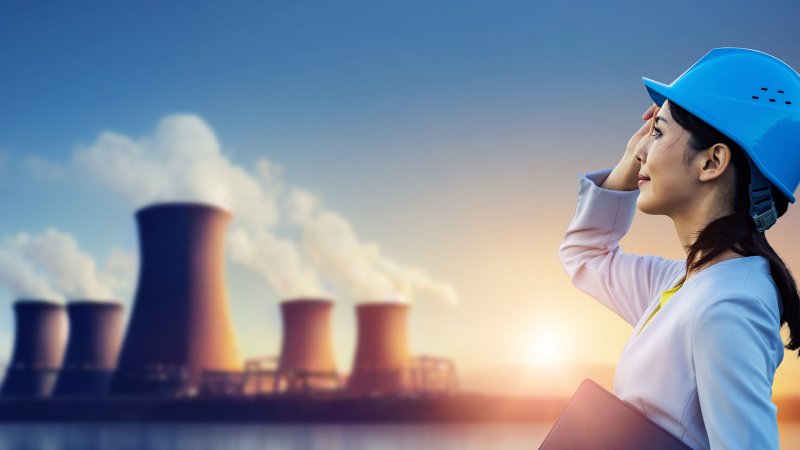
Nuclear safety is not handled by individual countries alone, News.Az reports.
Because radiation and nuclear risks can cross borders, international cooperation is essential. Over the decades, a global system has developed in which specialized international organizations set standards, share information, inspect facilities, and help countries prevent nuclear accidents or respond to them effectively.
These organizations do not usually run nuclear plants themselves. Instead, they provide rules, guidance, monitoring, and coordination to ensure that nuclear technology is used safely, securely, and responsibly worldwide.
The international atomic energy agency (IAEA)
The most important international organization responsible for nuclear safety is the International Atomic Energy Agency, commonly known as the IAEA.
The IAEA was created in 1957 and is based in Vienna. Its main mission is to promote the peaceful use of nuclear energy while preventing its misuse and reducing risks to people and the environment.
In terms of nuclear safety, the IAEA develops international safety standards for nuclear power plants, radioactive waste, radiation protection, and emergency preparedness. These standards are not laws, but most countries adopt them into their national regulations.
The agency also sends expert missions to countries to assess the safety of nuclear facilities, review national regulations, and recommend improvements. During nuclear incidents, the IAEA serves as a global hub for information sharing and technical assistance.
The united nations (UN)
While the United Nations itself does not directly manage nuclear facilities, it plays an important coordinating and political role in nuclear safety.
Through its various bodies and agreements, the UN supports international cooperation on nuclear risk reduction, environmental protection, and humanitarian response. UN agencies work closely with the IAEA to ensure that nuclear safety is linked to broader goals such as sustainable development, public health, and environmental protection.
The UN also provides a platform for international treaties related to nuclear issues, including conventions on nuclear safety and liability.
World health organization (WHO)
The World Health Organization focuses on the health effects of radiation exposure. Its role becomes especially important during nuclear or radiological emergencies.
The WHO provides guidance on how radiation affects human health, how to protect populations, and how to treat radiation-related illnesses. It helps governments prepare health systems for potential nuclear incidents and supports long-term health monitoring when exposure occurs.
In the event of a nuclear accident, the WHO works with national health authorities and the IAEA to assess risks and communicate health information to the public.
United nations scientific committee on the effects of atomic radiation (UNSCEAR)
UNSCEAR is a scientific body that studies the effects of radiation on human health and the environment.
Its role is not regulation, but research and assessment. UNSCEAR collects data from around the world, analyzes radiation exposure levels, and evaluates their potential health impacts. Its reports are used by governments and international organizations to set safety standards and exposure limits.
Because UNSCEAR focuses strictly on science, its work provides an independent foundation for nuclear safety policies.
World meteorological organization (WMO)
The World Meteorological Organization plays an important supporting role in nuclear safety, especially during emergencies.
If radioactive material is released into the atmosphere, weather conditions determine where it travels. The WMO provides meteorological data and modeling that help predict the movement of radioactive clouds.
This information allows governments to issue warnings, protect populations, and take preventive measures such as restricting food consumption or water use in affected areas.
Organisation for economic co-operation and development nuclear energy agency (OECD NEA)
The OECD Nuclear Energy Agency supports its member countries by improving the technical and scientific basis for nuclear safety.
It focuses on areas such as reactor safety, radiation protection, radioactive waste management, and emergency response. The agency helps countries share best practices, learn from past incidents, and develop more robust safety systems.
Although its membership is limited mainly to developed economies, its research and recommendations influence global nuclear safety discussions.
European union nuclear safety bodies
Within the European Union, nuclear safety is supported by specialized institutions and legal frameworks.
The EU sets binding nuclear safety and radiation protection rules for its member states. These rules are based on international standards but are legally enforceable within the union.
European institutions also coordinate cross-border emergency preparedness, information sharing, and inspections to ensure consistent safety levels across the region.
International conventions and agreements
In addition to organizations, nuclear safety is governed by international conventions. These agreements commit countries to common principles and responsibilities.
Key conventions include agreements on nuclear safety, early notification of nuclear accidents, assistance during emergencies, and the safe management of radioactive waste. Countries that sign these conventions agree to follow international norms and allow peer reviews.
These legal frameworks strengthen accountability and transparency at the global level.
How these organizations work together
No single organization controls nuclear safety worldwide. Instead, safety is maintained through cooperation.
Scientific bodies provide research and data. Regulatory agencies develop standards. Health organizations focus on human impacts. Political institutions facilitate agreements and coordination.
During a nuclear incident, these organizations exchange information rapidly, support affected countries, and help communicate risks accurately to the public.
Why international oversight matters
Nuclear risks do not stop at national borders. A serious accident can affect neighboring countries and even entire regions. International organizations ensure that safety standards are consistent, information is shared, and lessons from past incidents are not forgotten.
They also help countries with limited resources improve their safety systems, reducing global risks overall.
A global responsibility
Nuclear safety is a shared responsibility. While governments remain accountable for facilities within their borders, international organizations provide the structure that makes global oversight possible.
Through science, cooperation, transparency, and preparedness, these institutions help ensure that nuclear technology serves humanity safely and responsibly, now and in the future.


Similar news