Why China is tightening control over its booming cosmetic surgery industry


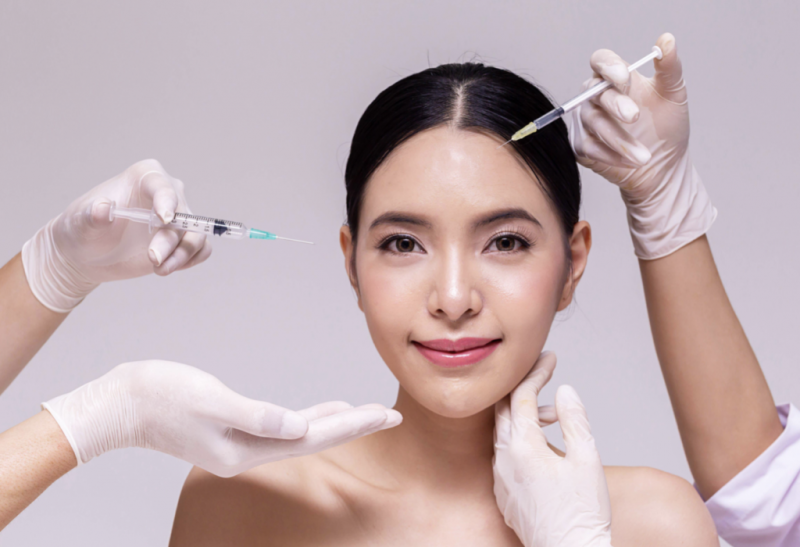
Over the past decade, cosmetic surgery has shifted from a niche luxury to a mainstream aspiration in China, News.Az reports.
Key takeaways
- Cosmetic surgery grew rapidly due to social media influence and changing beauty standards
- Demand outpaced regulation, enabling unsafe and unlicensed practices
- Medical complications turned a personal choice into a public health issue
- Authorities tightened licensing, advertising rules, and enforcement
- Young consumers became a central focus of protection and education
- Legitimate clinics benefit from clearer standards despite higher costs
- The industry is shifting toward professionalism, safety, and transparency
Procedures once associated with celebrities and wealthy elites are now widely discussed among students, office workers, and young professionals. Social media, beauty influencers, and changing beauty standards have fueled this growth, turning aesthetic procedures into a multi billion industry.
However, alongside rapid expansion came growing risks. Reports of unlicensed clinics, misleading advertising, and serious medical complications began to surface with increasing frequency. As public concern intensified, authorities moved to strengthen oversight. The result has been a broad crackdown aimed at reshaping an industry that grew faster than its regulatory framework.
How cosmetic surgery became mainstream
Cosmetic procedures in China developed alongside urbanization, rising incomes, and digital culture. Social media amplified idealized facial features and body proportions, often presented as easily achievable through procedures. For many young people, cosmetic surgery was reframed as self investment rather than vanity. Clinics adapted their messaging accordingly, presenting surgery as routine improvement rather than serious medical intervention.
Why demand grew faster than regulation
The industry expanded at a pace regulators struggled to match. Thousands of clinics emerged, especially in large cities. While many operated legally, others exploited loopholes in oversight. Online marketing accelerated the problem, promoting discounted procedures and minimizing risks. Consumers were often unable to distinguish between licensed providers and illegal operators.
The rise of unlicensed practitioners
Unlicensed practitioners became one of the most serious concerns. Individuals without proper medical training performed injections and surgeries, often at lower prices. Clinics appeared professional on the surface, masking unsafe practices. This created significant risks for consumers who trusted appearances over verified credentials.
Medical risks and real consequences
As procedures increased, so did reports of severe complications. Infections, nerve damage, permanent disfigurement, and psychological trauma affected patients, many of them young. Corrective treatments were costly and not always successful. These cases shifted public perception, transforming cosmetic surgery into a broader public health issue.
Why authorities decided to intervene
Government action was driven by public safety, consumer protection, and trust in healthcare systems. Misleading advertising and influencer promotions violated existing laws but were difficult to control without stronger enforcement. The crackdown marked a shift from tolerance toward accountability and stricter standards.
New rules and stricter enforcement
Authorities strengthened licensing requirements, increased inspections, and imposed harsher penalties. Advertising restrictions targeted exaggerated claims and promotions aimed at minors. The goal was to ensure consumers understood cosmetic surgery as a medical procedure, not a casual lifestyle service.
How social media shaped both the problem and the response
Social media platforms fueled demand but also exposed abuses. Viral posts highlighting failed procedures increased public pressure for reform. Regulators began monitoring online content more closely, pushing platforms to remove illegal promotions and verify advertisers.
The impact on legitimate clinics
Licensed clinics largely welcomed tighter rules, viewing them as protection against unfair competition. However, compliance increased operational costs, leading to industry consolidation. Clinics with strong medical foundations adapted more easily than smaller operators.
Why young consumers are at the center of the debate
Young adults remain the primary audience for cosmetic procedures. Career anxiety, social comparison, and digital influence shape their decisions. Authorities responded by emphasizing education, informed consent, and realistic expectations rather than outright discouragement.
Cultural pressure and beauty standards
Narrow beauty ideals contribute to dissatisfaction and anxiety. Cosmetic surgery often appears as a solution to social pressure rather than personal desire. By restricting aggressive marketing, regulators aimed to ease this pressure, particularly on younger generations.
Economic implications of tighter control
The industry contributes significantly to employment and consumption. While regulation slowed short term growth, it aimed to stabilize the sector long term. Quality and safety were prioritized over unchecked expansion, aligning with broader economic risk management goals.
How the industry is adapting
Clinics are shifting toward professionalism and transparency. Marketing now emphasizes safety, credentials, and long term care. Many providers are focusing on non invasive treatments and better patient counseling, reflecting a more cautious approach.
Why this shift matters beyond cosmetic surgery
The crackdown reflects a broader regulatory approach toward fast growing, digitally driven industries. It highlights how authorities respond when consumer enthusiasm intersects with systemic risk, offering lessons for other sectors.
Public trust and the future of aesthetic medicine
Restoring trust remains the key challenge. Consistent enforcement, transparency, and medical accountability will determine whether the industry emerges stronger. Cosmetic surgery is likely to continue, but within clearer and safer boundaries.
Conclusion: Balancing beauty and responsibility
China’s tighter control over cosmetic surgery represents recalibration rather than rejection. By strengthening oversight, authorities aim to protect consumers, support legitimate providers, and reshape expectations around aesthetic procedures. The long term outcome will define whether the industry matures responsibly.
By Faig Mahmudov


Similar news