Why did the U.S. lower its Brent oil price forecast for 2026?


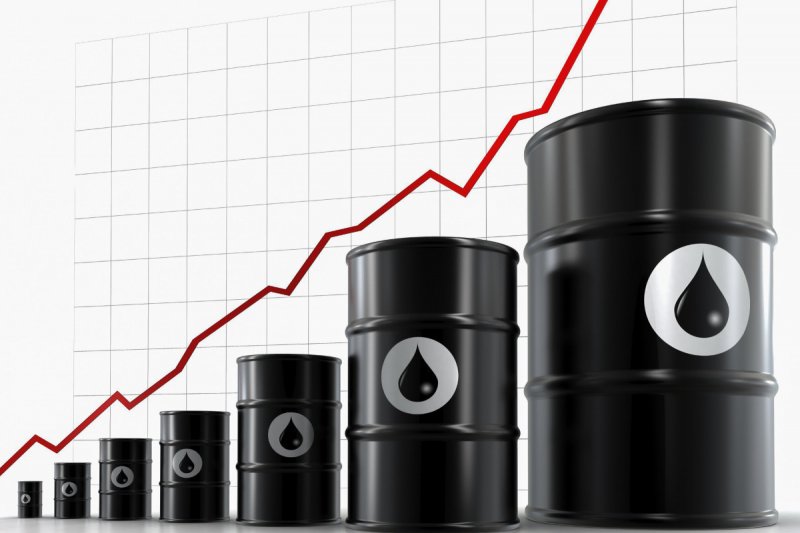
The U.S. Department of Energy slightly lowered its forecast for the average price of Brent Crude in 2026, reducing the estimate from $96 per barrel to $94.85 per barrel.
The updated projection was published by the department’s Energy Information Administration, commonly known as the EIA.
RECOMMENDED STORIES
- Iran says US directly responsible for Israeli truce violations in Lebanon
- ‘Off Campus’ star Mika Abdalla and fiance Jake Short end engagement
- Iran’s IRGC says it hit cargo ship MSC Sariska in retaliatory operation
- At least 11 dead, scores wounded as Russia launches major attack across Ukraine - VIDEO
Although the revision appears relatively small, the report highlights how global oil markets remain under significant pressure because of geopolitical instability, supply disruptions, and uncertainty surrounding the Middle East.
The forecast also projects Brent crude prices averaging around $79.39 per barrel in 2027.
What is Brent crude oil?
Brent Crude is one of the world’s most important oil pricing benchmarks.
It is used internationally to determine the value of a large share of globally traded crude oil.
Brent prices influence:
-
Gasoline prices
-
Diesel costs
-
Airline fuel expenses
-
Shipping costs
-
Industrial energy prices
-
Inflation levels
-
National energy policies
Because Brent serves as a global reference point, even relatively small forecast changes can affect governments, businesses, and financial markets worldwide.
Why are oil prices still elevated despite the forecast cut?
The report says oil prices remain under pressure because of supply disruptions connected to tensions in the Middle East.
One major factor involves shipping risks and disruptions linked to the Strait of Hormuz.
The EIA noted that even after shipping through the strait reopens, reduced oil inventories and delayed production recovery continue limiting downward pressure on prices.
In simple terms, the market still fears supply shortages.
When oil inventories fall and supply becomes uncertain, prices often remain elevated because traders and governments worry about future disruptions.
Why is the Strait of Hormuz so important globally?
The Strait of Hormuz is one of the most strategically important waterways in the world.
A massive share of global oil exports passes through the narrow shipping route connecting the Persian Gulf to international markets.
Major oil exporting countries using the route include:
-
Saudi Arabia
-
Iraq
-
Kuwait
-
United Arab Emirates
-
Qatar
-
Iran
Any disruption in the strait can immediately affect global energy markets because it threatens the movement of millions of barrels of oil per day.
That is why conflicts or tensions in the region often trigger sharp movements in oil prices.
What does the report say about oil inventories?
The EIA expects global oil inventories to decline much more sharply than previously forecast.
The report projects global oil inventories will decrease by approximately 2.6 million barrels per day this year.
That is significantly larger than the previous forecast decline of only 0.3 million barrels per day.
Lower inventories matter because oil stockpiles act as buffers against supply disruptions.
When inventories fall:
-
Markets become more vulnerable
-
Price volatility increases
-
Supply concerns intensify
-
Governments and traders become more cautious
Shrinking inventories generally support higher oil prices because they reduce flexibility during crises.
Why are production disruptions continuing in the Middle East?
The report suggests oil production recovery in parts of the Middle East may take longer than previously expected.
Possible reasons include:
-
Infrastructure damage
-
Security concerns
-
Operational shutdowns
-
Export disruptions
-
Transportation difficulties
-
Political instability
Even if shipping lanes reopen, restarting oil production is often more complicated and time consuming.
Oil fields, pipelines, ports, and export facilities may require inspections, repairs, or security stabilization before returning fully to normal operations.
Why do oil prices affect the global economy so strongly?
Oil remains one of the world’s most important energy resources.
Changes in oil prices influence nearly every sector of the global economy because oil affects:
-
Transportation
-
Manufacturing
-
Aviation
-
Agriculture
-
Shipping
-
Electricity generation
-
Consumer prices
When oil prices rise significantly, inflation often increases because businesses pass higher energy and transportation costs on to consumers.
This can lead to:
-
More expensive food
-
Higher airline ticket prices
-
Rising shipping costs
-
Increased fuel prices
-
Slower economic growth
Central banks and governments closely monitor oil markets because energy prices directly influence inflation and economic stability.
Why are forecasts for 2027 lower than 2026?
The EIA projects Brent prices averaging lower in 2027 than in 2026.
This likely reflects expectations that:
-
Supply conditions could improve
-
Production disruptions may ease
-
Global inventories might stabilize
-
Markets may gradually rebalance
Energy forecasts often assume that severe geopolitical disruptions eventually become less acute over time unless conflicts escalate further.
However, oil forecasting remains highly uncertain because markets can change rapidly depending on wars, sanctions, production decisions, and global economic conditions.
How do geopolitical conflicts influence oil markets?
Oil markets react very quickly to geopolitical risks because supply disruptions can occur suddenly.
Events that often affect prices include:
-
Wars
-
Sanctions
-
Pipeline attacks
-
Maritime threats
-
Political instability
-
Production shutdowns
The Middle East remains especially sensitive because it contains some of the world’s largest oil reserves and export infrastructure.
Even fears of future disruptions can move prices sharply higher before actual shortages occur.
This is why energy traders pay close attention to military and diplomatic developments in the region.
Could oil prices rise again despite the forecast reduction?
Yes.
The small downward revision does not eliminate the possibility of future price spikes.
Oil markets remain highly vulnerable to:
-
Escalating geopolitical tensions
-
Additional production cuts
-
Supply chain disruptions
-
Natural disasters
-
Unexpected economic changes
If conditions in the Middle East worsen again or shipping through the Strait of Hormuz faces renewed threats, prices could rise substantially.
Conversely, if tensions ease and production recovers faster than expected, prices could fall more quickly.
Oil forecasting is extremely difficult because markets depend on both economic and geopolitical variables.
Why do governments closely monitor oil inventories?
Oil inventories provide insight into the balance between supply and demand.
High inventories generally indicate adequate supply and can reduce price pressure.
Low inventories suggest tighter markets and greater vulnerability to shocks.
Governments monitor inventories because shortages can affect:
-
National energy security
-
Inflation
-
Industrial output
-
Consumer spending
-
Transportation systems
Strategic petroleum reserves also play an important role during crises by helping countries stabilize supply temporarily if disruptions occur.
How could these forecasts affect consumers?
Changes in oil prices eventually affect ordinary consumers through:
-
Fuel prices
-
Electricity bills
-
Transportation costs
-
Airline tickets
-
Food prices
-
Imported goods
If oil prices remain elevated for extended periods, inflationary pressure could persist in many economies.
Businesses may face higher operating costs, while households could spend more on transportation and energy.
Countries heavily dependent on imported energy are often especially sensitive to oil market volatility.
Why is energy security becoming a bigger issue globally?
Recent geopolitical crises highlighted how vulnerable global energy systems can be.
Governments increasingly focus on:
-
Diversifying energy sources
-
Expanding strategic reserves
-
Investing in renewables
-
Securing supply chains
-
Reducing dependence on unstable regions
At the same time, oil remains essential for the global economy despite growing investment in alternative energy technologies.
This means disruptions in major oil producing regions still carry enormous global consequences.
What happens next in global oil markets?
Several major factors will shape future oil prices:
-
Stability in the Middle East
-
Recovery of disrupted production
-
Global economic growth
-
OPEC+ production decisions
-
Chinese energy demand
-
Inflation trends
-
Shipping security through the Strait of Hormuz
Markets will also watch whether inventories continue declining at the pace projected by the EIA.
For now, the report suggests that even though oil price forecasts were slightly lowered, global energy markets remain under considerable pressure because supply concerns have not disappeared.
By Faig Mahmudov


Similar news