Why did the U.S. reject Iran’s 14-point peace proposal?


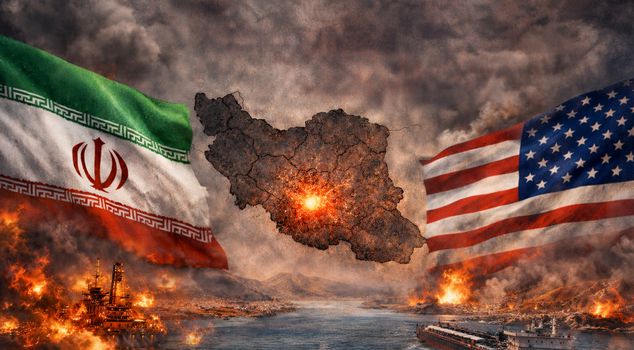
Tensions between United States and Iran escalated further after reports emerged that Washington rejected Tehran’s proposed 14 point peace initiative aimed at ending the ongoing regional conflict and restarting broader negotiations.
According to reports published by the Tehran Times, Iran submitted the proposal through Pakistani intermediaries earlier this month as a counteroffer to a previous American plan.
RECOMMENDED STORIES
The Iranian proposal reportedly called for a permanent end to hostilities, a complete withdrawal of U.S. military forces from the region, and a phased negotiation framework addressing broader political and nuclear disputes.
However, Washington allegedly rejected the proposal and maintained what Iranian media described as a “coercive stance,” especially regarding Tehran’s nuclear program.
The development highlights the widening gap between both sides despite growing international pressure to prevent a broader regional escalation.
The dispute also underscores how difficult negotiations between Washington and Tehran have become after years of sanctions, military tensions, proxy conflicts, and disagreements over Iran’s nuclear activities.
At the center of the disagreement is a major strategic divide.
Iran reportedly seeks negotiations focused first on ending military operations and securing guarantees against future attacks, while the United States continues prioritizing nuclear restrictions, regional security concerns, and broader geopolitical objectives.
The rejection of the proposal may further complicate diplomatic efforts at a time when fears of wider instability across the Middle East remain extremely high.
What was included in Iran’s 14 point proposal?
According to reports, Iran’s proposal included a two stage negotiation framework.
The first stage reportedly focused on ending hostilities across all conflict fronts and securing broader de escalation measures.
Iran also allegedly demanded a complete withdrawal of American military forces from the region as part of any long term settlement.
The second phase would then address nuclear negotiations and broader diplomatic issues, but only after Tehran’s initial conditions were met.
Iran reportedly insisted that negotiations should focus on permanently ending the conflict rather than implementing only a temporary ceasefire arrangement.
This reflects Tehran’s long standing concern that short term truces without broader guarantees could eventually lead to renewed military pressure.
Why did the U.S. reportedly reject the proposal?
Although Washington has not publicly confirmed every detail of the reported rejection, major disagreements appear to remain over sequencing, military presence, and the nuclear issue.
The United States traditionally insists that nuclear negotiations cannot be separated from broader regional security concerns.
American officials also generally oppose conditions requiring immediate withdrawal of U.S. military forces from strategic regional positions.
Washington additionally remains concerned about Iran’s ballistic missile program, support for regional armed groups, and uranium enrichment activities.
Iran, meanwhile, argues that American military pressure and sanctions make genuine diplomacy impossible without broader security guarantees.
These fundamentally different priorities continue preventing a breakthrough.
Why is the nuclear issue still central to negotiations?
Iran’s nuclear program remains the core issue shaping relations with the United States and many Western countries.
Washington and its allies fear Tehran could eventually develop nuclear weapons capability, although Iran insists its nuclear activities are intended for peaceful civilian purposes.
The collapse of the Joint Comprehensive Plan of Action after the United States withdrew from the agreement during the presidency of Donald Trump dramatically worsened tensions.
Since then, Iran expanded uranium enrichment activities while the United States maintained heavy sanctions.
Efforts to revive the agreement repeatedly stalled over disagreements involving sanctions relief, inspections, and guarantees.
As a result, the nuclear issue remains deeply intertwined with broader regional security tensions.
Why does Iran want U.S. forces withdrawn from the region?
Iran has long viewed the American military presence in the Middle East as a direct threat to national security and regional influence.
U.S. forces remain stationed across several countries in the region, including bases linked to anti terrorism operations and broader strategic partnerships.
Tehran argues that American military deployments contribute to instability and support hostile regional alliances against Iran.
The issue became even more sensitive following years of confrontations involving sanctions, naval incidents, cyber operations, and proxy conflicts.
Iran therefore increasingly frames U.S. troop withdrawal as essential for any lasting regional settlement.
Why is Pakistan reportedly involved as an intermediary?
Pakistan has historically maintained diplomatic channels with both Iran and the United States while also holding strategic importance regionally.
Countries often use intermediaries in highly sensitive negotiations where direct communication becomes politically difficult.
Pakistan’s involvement may reflect efforts to reduce tensions quietly and facilitate indirect dialogue without public diplomatic escalation.
Regional actors increasingly worry that prolonged instability between Iran and the United States could affect broader Middle Eastern and South Asian security dynamics.
What was the U.S. proposal reportedly offering?
According to reports, the previous American proposal reportedly focused on a two month ceasefire arrangement rather than a broader permanent settlement.
The United States allegedly prioritized immediate de escalation measures and renewed negotiations linked to nuclear and regional security concerns.
Iran reportedly rejected the shorter timeline and instead demanded a more comprehensive framework addressing underlying causes of conflict.
This difference highlights one of the main diplomatic obstacles between both sides.
Washington appears focused on phased de escalation tied closely to nuclear compliance, while Tehran seeks broader political guarantees before engaging deeply on nuclear concessions.
Why are both sides struggling to trust each other?
Mutual distrust between Iran and the United States has accumulated over decades.
Relations deteriorated after the Iranian Revolution and worsened through sanctions, hostage crises, military confrontations, and regional proxy conflicts.
Iran deeply distrusts American commitments after Washington withdrew from the 2015 nuclear agreement despite Iranian compliance under international monitoring at the time.
The United States meanwhile accuses Iran of destabilizing regional activities and violating international obligations.
This long history of confrontation makes compromise politically difficult for leaders on both sides.
How does the regional conflict affect negotiations?
Broader regional instability strongly influences diplomacy.
Conflicts involving armed groups aligned with Iran, tensions involving Israel, attacks on shipping routes, and military operations across the Middle East all complicate negotiations.
Washington views many of these issues as interconnected with Iran’s regional strategy.
Iran meanwhile argues that external military pressure and regional alliances targeting Tehran prevent meaningful diplomatic progress.
As violence escalates regionally, political pressure increases on both governments domestically, making compromise even harder.
Could the rejection increase regional tensions further?
Yes.
Failure to achieve diplomatic progress may increase the risk of further military escalation, sanctions expansion, or proxy confrontations.
Markets closely monitor U.S.-Iran tensions because the Middle East remains critical for global energy supplies and shipping routes.
Any significant escalation could affect oil prices, regional security, and broader geopolitical stability.
International actors including European countries, Gulf states, China, and Russia therefore continue encouraging diplomatic engagement despite repeated setbacks.
How are sanctions affecting the situation?
American sanctions remain one of the biggest obstacles to improved relations.
The United States imposed extensive restrictions targeting Iran’s banking sector, oil exports, shipping, and financial system.
Washington argues sanctions are necessary to pressure Tehran regarding nuclear activities and regional behavior.
Iran insists sanctions severely damage the economy and punish ordinary civilians while undermining trust in diplomacy.
Tehran generally demands substantial sanctions relief as part of any future agreement.
The sanctions issue therefore remains central to negotiations.
Why does sequencing matter so much?
One of the biggest diplomatic disputes involves sequencing.
Iran reportedly wants military de escalation and guarantees first before entering deeper nuclear negotiations.
The United States generally seeks nuclear commitments and regional restraint before offering major concessions.
This creates a classic diplomatic deadlock where each side fears making concessions without guarantees from the other.
Resolving sequencing disagreements is often one of the most difficult aspects of complex international negotiations.
Could indirect talks continue despite the rejection?
Yes.
Even during periods of public confrontation, indirect communication channels often remain active.
Intermediaries including regional governments, European diplomats, and international organizations frequently facilitate quiet diplomacy behind the scenes.
Both Washington and Tehran also recognize the risks of uncontrolled escalation.
As a result, opportunities for renewed negotiations may still emerge despite current tensions.
How do global powers view the situation?
Major powers closely monitor U.S.-Iran tensions because instability affects global energy markets, shipping routes, and broader geopolitical balances.
China and Russia generally support diplomacy while criticizing American sanctions pressure.
European governments also continue advocating negotiated solutions to avoid regional war and nuclear escalation.
Gulf states increasingly prefer de escalation as well because broader conflict could threaten economic development and energy infrastructure.
What happens next?
The future likely depends on whether both sides can eventually narrow disagreements regarding ceasefire terms, sanctions relief, military presence, and nuclear restrictions.
At present, positions remain far apart.
However, history shows that U.S.-Iran diplomacy often moves through long periods of tension followed by sudden negotiation breakthroughs when political conditions change.
For now, the rejection of Iran’s proposal highlights how fragile and uncertain regional diplomacy remains amid one of the Middle East’s most dangerous geopolitical confrontations.
By Faig Mahmudov


Similar news