Why Facebook continues to shape digital society


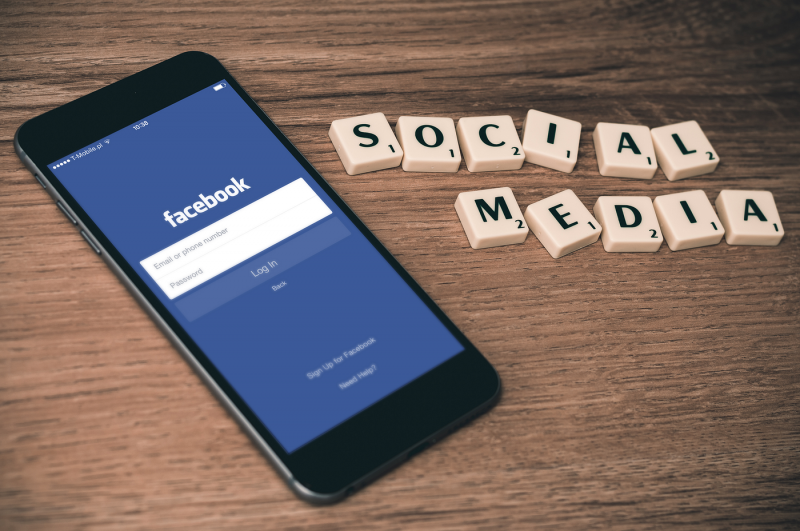
Facebook has been one of the most transformative platforms in the history of digital communication, redefining how people connect, share information, and form communities, News.Az reports.
What began as a network for personal profiles evolved into a global social infrastructure influencing politics, media, culture, and economic activity. Facebook’s rise illustrates how social platforms can shape human interaction at scale, altering social norms and redefining the boundaries between private and public life.
From social networking experiment to global platform
Facebook initially emerged as a way for individuals to maintain personal connections online. Its early appeal lay in its simplicity: real names, personal profiles, and visible social networks. Unlike anonymous forums, Facebook emphasized identity and continuity between offline and online life.
As the platform expanded globally, it incorporated features that extended beyond personal interaction. Pages, groups, and public sharing transformed Facebook into a multifaceted environment supporting communities, businesses, and institutions. This evolution positioned Facebook not just as a social network but as a digital public square.
Redefining communication and social presence
Facebook changed how people communicate by introducing persistent social presence. Status updates, photos, and reactions allowed users to share moments and opinions in real time. Communication shifted from direct messages to broadcast style sharing, where individuals addressed entire networks simultaneously.
This model altered social dynamics. Relationships became visible and quantifiable through likes, comments, and friend counts. Social validation and feedback loops emerged as central elements of online interaction, influencing self expression and behavior.
Community formation and collective identity
One of Facebook’s most significant contributions is its role in community building. Groups allow individuals to gather around shared interests, professions, or causes regardless of geographic boundaries. These digital communities foster support, collaboration, and collective identity.
Community formation on Facebook has both positive and negative dimensions. While groups can empower marginalized voices and facilitate knowledge exchange, they can also reinforce polarization and echo chambers. The same mechanisms that unite can also divide, depending on how they are used.
Impact on media and information flow
Facebook fundamentally altered how news and information circulate. Content shared by friends and followed pages became a primary source of information for many users. This shift reduced the role of traditional gatekeepers and increased the influence of peer networks.
Media organizations adapted by distributing content through social feeds, prioritizing engagement and shareability. At the same time, algorithmic curation shaped what users saw, influencing public attention and discourse.
The platform’s role in information distribution raised questions about responsibility, accuracy, and the spread of misinformation.
Political mobilization and public discourse
Facebook became a powerful tool for political communication and mobilization. Political actors use the platform to reach voters, organize campaigns, and frame narratives. Grassroots movements leverage its reach to coordinate actions and raise awareness.
However, the same capabilities enable manipulation, disinformation, and foreign influence. The platform’s impact on elections and public opinion sparked global debates about regulation, transparency, and democratic integrity.
Facebook’s experience illustrates the complex relationship between technology and politics in the digital age.
Economic activity and digital marketplaces
Beyond social interaction, Facebook supports economic activity. Businesses use pages and advertising tools to reach targeted audiences, transforming marketing strategies. Small enterprises and entrepreneurs gain visibility without traditional advertising budgets.
Marketplace features facilitate peer to peer commerce, integrating social trust with economic exchange. This convergence of social and commercial functions reflects broader trends in platform economies.
However, dependence on platform algorithms introduces vulnerability for businesses whose visibility can change abruptly.
Data, personalization, and user experience
Facebook’s functionality relies heavily on data. User interactions, preferences, and networks inform personalized content feeds and targeted advertising. Personalization enhances relevance but also raises concerns about privacy and surveillance.
The collection and use of personal data became a central issue in public debates about digital rights. Trust in social platforms increasingly depends on transparency, consent, and ethical data practices.
Mental health and social wellbeing
The social dynamics created by Facebook have implications for mental health. Constant comparison, visibility of curated lives, and feedback mechanisms can affect self esteem and wellbeing.
At the same time, social connection and support networks can provide emotional benefits. The platform’s impact varies widely depending on individual usage patterns and social contexts.
Understanding these effects highlights the need for responsible design and user awareness.
Platform governance and content moderation
Managing a global social platform involves complex governance challenges. Decisions about content moderation, community standards, and enforcement affect freedom of expression and user safety.
Facebook’s efforts to balance openness with protection illustrate the difficulty of governing digital public spaces at scale. These challenges are amplified by cultural diversity and differing legal frameworks.
Global reach and cultural influence
Facebook’s global presence connects diverse societies but also influences cultural norms. Global trends spread rapidly, while local cultures adapt to platform dynamics.
Language support and regional policies shape inclusion and representation. Ensuring cultural sensitivity while maintaining global consistency remains an ongoing challenge.
Evolution and adaptation
As digital communication evolves, Facebook continues to adapt its features and strategies. Emphasis on groups, messaging, and multimedia reflects changing user preferences.
Competition from other platforms drives innovation and diversification, shaping Facebook’s role within a broader social media ecosystem.
Future perspectives
The future of Facebook depends on how it addresses trust, governance, and societal impact. Its continued relevance will be shaped by user expectations, regulatory environments, and technological change.
The platform’s experience offers lessons about the power and responsibility of digital social infrastructures.
Conclusion
Facebook reshaped social interaction by creating a global digital space where personal, social, and public life intersect. Its influence on communication, media, politics, and culture defines the social media era. Understanding Facebook is essential for understanding how digital platforms shape human connection in the modern world.


Similar news