Why is Air India facing one of the biggest crises in its modern history?


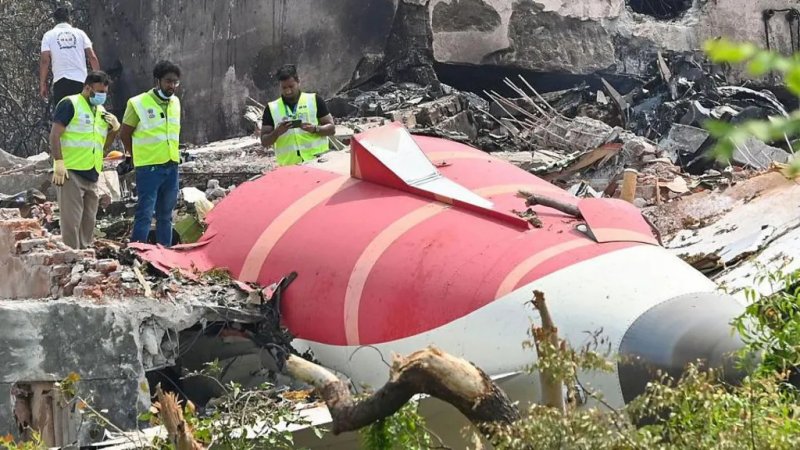
Air India is confronting a deep operational, financial, and reputational crisis as it prepares for the release of the final investigation report into the deadly AI-171 crash that killed 260 people in June 2025.
RECOMMENDED STORIES
- Putin: Everyone has long understood that pressuring Modi is futile
- India tightens security in New Delhi ahead of 'Cockroach Party' protest
- Delhi's reaction to the Baku platform: what is the real reason behind the concern? - VIDEO
- What is behind the US seizure of a sanctioned vessel in the Indian Ocean?
The carrier is simultaneously dealing with:
-
Leadership instability
-
Heavy financial losses
-
Safety concerns
-
Operational disruptions
-
Aircraft shortages
-
Currency pressures
-
Rising fuel costs
-
Growing scrutiny from regulators and the public
The combination of these challenges has raised serious questions about whether Air India’s ambitious turnaround plan under the Tata Group can succeed.
What happened in the AI-171 crash?
Air India flight AI-171, bound for London from Ahmedabad in western India, crashed shortly after takeoff on 12 June 2025.
The disaster killed 260 people and became one of the deadliest aviation tragedies involving an Indian airline in recent years.
The final report from India’s Aircraft Accident Investigation Bureau is expected soon, and the aviation industry is closely watching the findings because they could have major implications for Air India’s reputation, liability exposure, and future operations.
The crash placed enormous pressure on the airline at a time when it was already struggling with restructuring challenges.
Why is the final crash report so important?
The investigation findings could shape public perception of Air India for years.
Experts say the report may determine:
-
Whether operational failures contributed
-
Whether maintenance issues existed
-
Whether safety procedures were followed properly
-
Whether management systems failed
-
Whether pilot or technical errors were involved
Even if financial liabilities are largely insured, reputational damage could be severe if the findings expose systemic weaknesses.
For airlines, public trust is essential. Passengers often choose carriers based not only on pricing and convenience but also on confidence in operational safety.
Any damaging conclusions could make Air India’s recovery even more difficult.
Why did Air India CEO Campbell Wilson resign?
Campbell Wilson resigned before completing his term amid mounting financial losses and growing internal pressure.
Reports suggested Air India lost approximately $2.4 billion for the financial year ending March 2026.
Wilson had been brought in after the Tata Group acquired Air India from the Indian government in 2022 and was tasked with leading a major transformation of the struggling airline.
His departure created concerns because leadership stability is especially important during periods of crisis and restructuring.
Industry experts say Air India now faces a leadership vacuum at one of the most critical moments in its recent history.
Why did the Tata Group buy Air India?
Tata Group originally founded Air India before the airline was nationalized decades ago.
When the Tata Group reacquired the airline from the government in 2022, the move was seen as an effort to restore the carrier’s former prestige and competitiveness.
The group launched an ambitious multi year turnaround strategy involving:
-
Fleet modernization
-
Brand rebuilding
-
Service upgrades
-
Operational restructuring
-
International expansion
-
Integration with other Tata aviation businesses
However, aviation experts say the challenges inherited from decades of state ownership were larger and more complex than expected.
Why has Air India struggled to modernize?
Experts say Air India faces both internal and external problems.
Internal issues reportedly include:
-
Legacy operational inefficiencies
-
Weak organizational structures
-
Slow decision making
-
Staffing challenges
-
Safety oversight concerns
-
Difficult integration processes
Former executives argue that management underestimated how difficult it would be to transform such a large and troubled organization.
At the same time, implementation gaps emerged between Air India’s ambitious plans and actual operational execution.
As a result, the airline struggled to improve consistency and rebuild customer confidence.
What operational mistakes hurt Air India’s image?
Air India faced several embarrassing operational incidents in recent years.
One notable example involved a Delhi to Vancouver flight that flew for nearly eight hours before returning to Delhi because it lacked proper regulatory approval to enter Canadian airspace.
Experts described the situation as highly unusual and indicative of serious procedural breakdowns.
In addition, India’s aviation regulator reportedly identified 51 safety violations during annual inspections of Air India operations, including several categorized among the highest severity levels.
These incidents damaged public confidence and reinforced concerns regarding operational discipline and safety culture.
Why are safety violations so serious for airlines?
Aviation depends heavily on strict operational precision and regulatory compliance.
Even relatively small procedural failures can become serious because airlines operate within highly complex systems involving:
-
International airspace permissions
-
Aircraft maintenance
-
Crew coordination
-
Safety inspections
-
Air traffic control integration
-
Technical documentation
When regulators identify repeated safety lapses, it raises concerns about organizational culture, oversight systems, and operational reliability.
For Air India, repeated incidents became particularly damaging because they occurred while the airline was trying to rebuild its global reputation.
How are aircraft shortages affecting Air India?
Like many airlines globally, Air India has been affected by supply chain disruptions in the aerospace industry.
The airline planned major fleet expansion and modernization efforts, but aircraft deliveries have reportedly been delayed.
These delays disrupted:
-
Fleet replacement schedules
-
Route planning
-
Capacity expansion
-
Operational efficiency
As a result, Air India reportedly reduced several important international routes, including services such as:
-
Delhi to Washington
-
Mumbai to San Francisco
Cutting international routes likely reduced revenue potential at a time when the company was already under financial pressure.
Why is the Middle East crisis hurting Air India?
The conflict in the Middle East created additional financial strain through rising fuel prices and airspace complications.
Fuel represents one of the largest operating costs for airlines worldwide.
When geopolitical tensions increase oil prices, airline profitability often suffers significantly.
At the same time, certain airspace closures or regional instability can force airlines to:
-
Use longer routes
-
Burn more fuel
-
Increase operating costs
-
Face scheduling disruptions
Analysts say the Middle Eastern situation created both risks and missed opportunities for Air India.
How could the Middle East crisis also have been an opportunity?
Experts say disruptions affecting Gulf carriers potentially created opportunities for Air India to gain a larger share of international passenger traffic.
For years, Gulf airlines dominated many long haul routes connecting India to Europe and North America.
If Gulf carrier operations weakened temporarily, Air India could theoretically have expanded its presence.
However, the airline reportedly lacked enough available aircraft to fully capitalize on the situation.
This highlighted how fleet shortages limited Air India’s ability to respond strategically to changing market conditions.
Why is the falling Indian rupee a major problem?
Airlines often earn revenue in local currencies but pay many major costs in U.S. dollars.
For Air India, important dollar linked expenses include:
-
Aircraft leasing
-
Fuel purchases
-
Maintenance contracts
-
International operations
-
Financing obligations
When the Indian rupee weakens against the dollar, these costs become more expensive.
Analysts say the rupee’s depreciation created major financial pressure for Indian airlines, including Air India, because operating costs rose sharply even if passenger demand remained stable.
What role does Singapore Airlines play in Air India?
Singapore Airlines owns approximately 25.1% of Air India.
Recent reports suggested senior Singapore Airlines executives visited Tata Group headquarters in Mumbai, fueling speculation that the company may deepen its involvement in Air India’s restructuring.
Singapore Airlines is widely respected globally for operational excellence, customer service, and profitability.
Some analysts believe greater involvement from Singapore Airlines could help Air India improve management systems, operational discipline, and service quality.
However, no major public restructuring announcements have been confirmed yet.
Why are airlines so difficult to turn around financially?
Airlines are among the most challenging businesses to operate profitably because they face:
-
Thin profit margins
-
High fuel costs
-
Expensive aircraft
-
Intense competition
-
Regulatory complexity
-
Economic sensitivity
-
Currency risks
-
Geopolitical disruptions
Even successful airlines can quickly face losses during crises involving fuel shocks, wars, pandemics, or operational disruptions.
For Air India, the challenge is even greater because it must simultaneously modernize operations, rebuild reputation, manage legacy problems, and compete internationally.
Could the Tata Group save Air India long term?
Many analysts believe the Tata Group still has the financial strength and long term commitment needed to continue supporting Air India.
Experts compare the situation to other difficult Tata restructuring projects in the past, including Tata Steel’s acquisition of Corus Steel.
Potential recovery strategies may include:
-
Additional capital injections
-
Innovative financing arrangements
-
Operational restructuring
-
Greater international partnerships
-
Fleet modernization
-
Management reforms
However, experts warn that conditions could worsen further before meaningful improvement becomes visible.
What happens next for Air India?
The airline now faces several crucial challenges simultaneously.
Key questions include:
-
What will the crash investigation reveal?
-
Who will become the new CEO?
-
Can operational reliability improve?
-
Will financial losses stabilize?
-
Can public trust be rebuilt?
-
Will Tata and Singapore Airlines invest more aggressively?
The coming months may determine whether Air India successfully completes its transformation or continues struggling under the weight of operational failures, financial losses, and reputational damage.
For one of India’s most historic brands, the stakes are extremely high not only commercially but also symbolically, because Air India remains deeply tied to the country’s national identity and global aviation ambitions.
By Faig Mahmudov


Similar news