Why Meta TikTok and YouTube face trial over youth mental health concerns


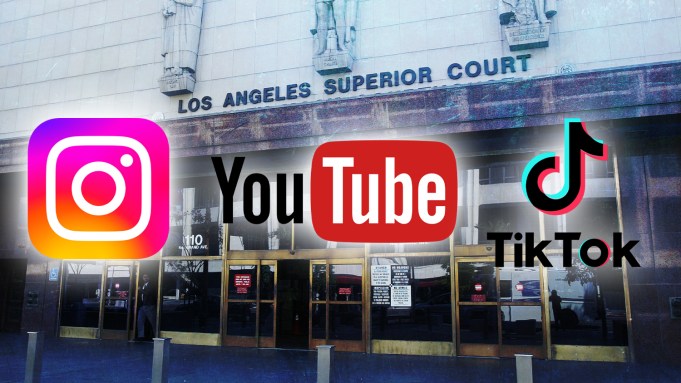
In recent years concern about the impact of social media on the psychological well being of young people has gathered global attention, News.Az reports.
Now, major technology companies Meta TikTok and YouTube are facing trials and legal scrutiny over allegations that their platforms contribute to harm in youth mental health. This FAQ explainer news piece answers the key questions about what is happening why it matters and what the trial could mean for young people families policymakers and the tech industry.
What’s at the center of the trial against Meta TikTok and YouTube
At the heart of the legal proceedings are claims that the platforms failed to protect children and adolescents from harmful content and addictive design features that contributed to anxiety depression self esteem issues and other mental health concerns. Plaintiffs in these cases allege that the companies knew or should have known about risks to young users and did not take adequate steps to mitigate those risks.
Who filed the lawsuit and where is it taking place
Multiple lawsuits have been filed in different jurisdictions. These include actions brought by state governments consumer advocacy groups and families of young people who experienced significant psychological distress. The cases are being heard in civil courts that have the authority to determine whether the companies breached duties of care or violated consumer protection laws.
What exactly are the companies accused of doing wrong
The allegations vary by jurisdiction but generally focus on three categories:
• Design and algorithms
Critics argue that recommendation systems push engaging but potentially harmful content without sufficient safeguards for young users.
• Addictive features
Features such as endless scrolling and push notifications are said to keep users engaged for longer than healthy, especially for minors.
• Inadequate protections
Plaintiffs contend that safeguards such as age verification or content moderation were insufficient given the known risks to young mental health.
The companies deny wrongdoing and emphasize their investments in safety tools content moderation and age gating features. They argue that social media itself is not inherently harmful and that benefits such as community building and self expression are significant.
Why youth mental health is a focus of public concern
Rates of anxiety depression and emotional distress among children and adolescents in many countries have risen over the past decade. These increases have led researchers educators and health professionals to explore potential contributing factors. Social media use has been one such area of inquiry because of its widespread adoption and the intensity with which many young people engage with it. While direct causation is complex and multifaceted, many experts acknowledge that excessive use of social platforms, exposure to cyberbullying, unrealistic social comparisons and disrupted sleep can exacerbate underlying vulnerabilities.
Are Meta TikTok and YouTube the only companies facing scrutiny
While these platforms are among the most widely used by youth and thus the most visible in legal actions, broader scrutiny has also been directed at other social media and technology companies. Regulators and lawmakers in multiple countries have raised concerns about youth safety, data privacy, and mental health across the digital ecosystem.
What evidence is being used in the trial
Evidence in these cases includes scientific research studies, expert testimony from psychologists pediatricians and digital culture scholars, internal documents from the companies, and personal accounts from families. Research often cited in such proceedings examines correlations between intensive social media use and mental health outcomes, although experts also emphasize that individual experiences vary and that many factors beyond social media contribute to wellbeing.
How do the companies respond to the allegations
Meta TikTok and YouTube have all stated that they take youth safety seriously. They point to measures such as:
• Age restriction efforts and enforcement
• Content moderation and community guidelines
• Tools for parents and caregivers to manage screen time and access
• Investment in research and partnerships with mental health organizations
The companies also stress that broader societal issues such as family dynamics school environment and offline socialization play major roles in youth mental health, beyond what any single platform can control.
What are the key legal questions in the trial
Judges and juries will consider questions such as:
• Did the companies have a legal duty to protect young users in specific ways?
• Did they fail to act reasonably given what they knew about risks?
• Can harm be attributed to platform practices as opposed to other influences?
• What legal standards apply to design choices and content delivery mechanisms?
These questions intersect with broader debates about innovation freedom responsibility and the extent to which private companies should be regulated for public health outcomes.
Could the trial change how social media platforms operate
Yes. If courts find that these companies failed to uphold legal obligations, it could lead to court orders requiring changes to design features, algorithmic transparency, age verification processes, content moderation policies and parental control tools. It might also influence legislation that sets new standards for youth digital safety.
What role do lawmakers have in this issue
Lawmakers in many countries have proposed or passed legislation aimed at increasing transparency and safety on social media. These include requirements for companies to report on risks, provide opt in/opt out choices for data and features, and enforce stricter age verification systems. The trials could inform future lawmaking by clarifying how current laws apply to technology design and youth protection.
How do researchers view the link between social media and youth mental health
Research on this topic is extensive and evolving. Many studies show associations between heavy social media use and negative mental health indicators, but experts caution that correlation does not always mean causation. Some young people use platforms in positive ways to access support communities and socially connect. The overall picture is nuanced, and researchers often advocate for balanced use rather than simple restriction.
What are common concerns identified by mental health professionals
Mental health professionals often highlight:
• Sleep disruption linked to night time device use
• Exposure to harmful or misleading content
• Peer comparison and self esteem challenges
• Cyberbullying and online harassment
• Pressure to conform to idealized norms
Professionals generally recommend holistic strategies that involve family communication, digital literacy education, healthy sleep habits, and structured offline activities.
How can parents and caregivers help
Experts suggest the following approaches:
• Establish predictable routines for device use
• Encourage open discussions about online experiences
• Use platform parental control tools thoughtfully
• Model balanced digital habits
• Stay informed about new features and trends
These practices aim to support young people without overly restrictive measures that could hamper digital literacy and autonomy.
What safeguards do the platforms currently offer
Each company has developed tools and policies designed to reduce risk. For example:
• Age gates and limiting accounts for younger users
• Warnings on potentially harmful content
• Time limit and screen time dashboards
• Blocking and reporting capabilities
The effectiveness of these features varies and is evaluated both in courts and by independent researchers.
Can the outcome of the trial affect users outside the youth demographic
Yes. Changes to platform design, moderation practices and algorithm transparency could apply broadly, affecting all users. For example, more transparent recommendation systems might change what content users see in general, while stricter age verification could influence account creation protocols for everyone.
What broader societal impacts could result from the trial
The trial could influence public understanding of digital wellbeing and accountability. It may lead to:
• Increased digital literacy programs in schools
• More research funding on youth and technology
• Greater public dialogue about healthy technology use
• Policy changes that balance innovation with safety
Understanding these broader effects helps contextualize the importance of legal and regulatory action.
Is there disagreement among experts about social media’s role in mental health
Yes. While many experts raise valid concerns, others emphasize that technology reflects broader societal shifts and that problems attributed solely to social media often have roots in family, educational and economic conditions. The debate is not primarily about whether social media can affect wellbeing, but under what conditions it does so and how best to manage that impact.
What are possible long term outcomes of the trial
Possible outcomes include:
• Legal rulings that define platform responsibilities and liabilities
• Agreements or settlements that require specific platform changes
• Legislative proposals informed by trial findings
• Increased public awareness and research
All of these outcomes could shift how technology and society interact in the years ahead.
Conclusion
Meta TikTok and YouTube facing trial over youth mental health highlights the complex interplay between technology design societal expectations and individual wellbeing. The trials raise essential questions about corporate responsibility, the rights of young users, and how societies balance innovation with safety. While the legal process unfolds, families educators policymakers and users will continue navigating the challenges and opportunities of digital life with an eye toward promoting healthy engagement and inclusive dialogue.
Frequently asked questions recap
• What is the lawsuit about
• Who filed it
• What are the allegations
• How do the companies respond
• Can this change platform design
• What evidence is used
• How do researchers view social media’s impact
• What can parents do
These questions and answers aim to clarify a complex issue that touches millions of families and carries implications for public policy and digital culture as a whole.
Note on sensitive topics
This explainer addresses mental health as a public policy topic. It does not include detailed or graphic descriptions of self harm or suicidal behavior. Professional support and trusted resources are recommended for individuals seeking help with mental wellbeing.
By Faig Mahmudov


Similar news