Why SpaceX's historic $1.75T IPO could be a trap for investors


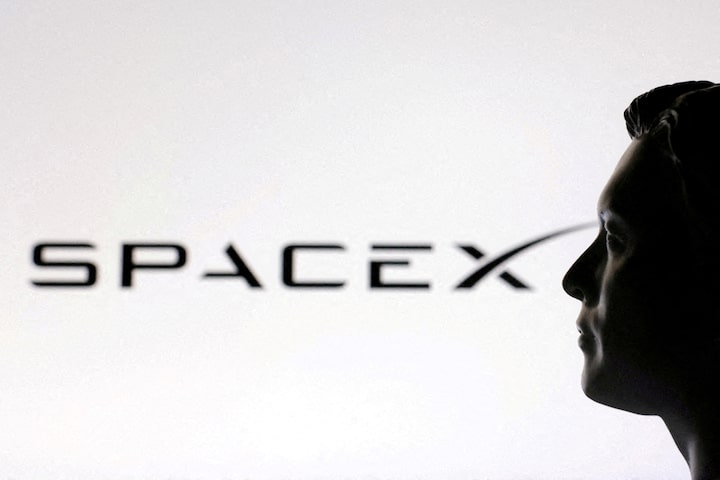
Wall Street is buzzing over the historic, upcoming public debut of Elon Musk's rocket and satellite giant, SpaceX. However, a sweeping historical analysis serves as a stark warning to everyday investors rushing to buy into the hype.
SpaceX recently filed its official prospectus to trade under the ticker "SPCX," with a massive public share sale scheduled as early as June 11. In an unusual move, Musk is offering a portion of the initial shares directly to everyday retail investors through mainstream trading apps like Robinhood and SoFi. The company is targeting an unprecedented $1.75 trillion valuation—a figure that would dwarf every previous stock market listing in Wall Street history, News.Az reports, citing Reuters.
Yet, a Reuters tracking analysis of the 50 highest-valued IPOs over the last five years reveals that investors would have been significantly better off simply buying a standard S&P 500 index fund roughly 75% of the time.
RECOMMENDED STORIES
The data shows that an investor who theoretically bought into every major IPO at its debut price over the last five years would be up an average of 27%. Meanwhile, the broader S&P 500 index gained a massive 53% over those exact same timeframes. Furthermore, for retail investors who miss the initial listing price and buy during the frenzied first day of public trading, the financial returns are historically even worse.
The Valuation Red Flag: Market experts warn that a $1.75 trillion valuation would give SpaceX an astronomical price-to-sales ratio of nearly 100. For context, Wall Street's current artificial intelligence darling, Nvidia, trades at a price-to-sales ratio of 24. This extreme valuation comes despite SpaceX posting a net loss of nearly $5 billion last year.
"Every one of these companies where investors are willing to pay a very high price-to-sales ratio has a compelling story," explained University of Florida professor Jay Ritter, an expert on IPO behaviors. "But, you know, stuff could go wrong."
The recent history of highly anticipated public listings highlights just how volatile these ultra-hyped debuts can be:
The Winners: AI-centric silicon designers have bucked the negative trend. Astera Labs has skyrocketed over 700% since its 2024 debut, while UK chip giant Arm Holdings has soared roughly 400% since 2023.
The Losers: Electric vehicle startup Rivian Automotive has collapsed 82% since its massive 2021 IPO and currently burns through $1 billion in cash every quarter. Software design platform Figma saw its stock nearly quadruple on day one last July, but it has since plummeted 35% below its IPO price due to fears that generative AI tools will make its technology obsolete.
Even long-term blockbusters struggle to outpace the index. When Chinese e-commerce giant Alibaba went public in 2014 in what was then the largest U.S. listing in history, it was celebrated as a surefire win. While its stock price has doubled over the last twelve years, the broader S&P 500 index has surged by more than 300% over that exact same stretch.
By Aysel Mammadzada


Similar news