Will Arab countries join the US–Israel war against Iran?


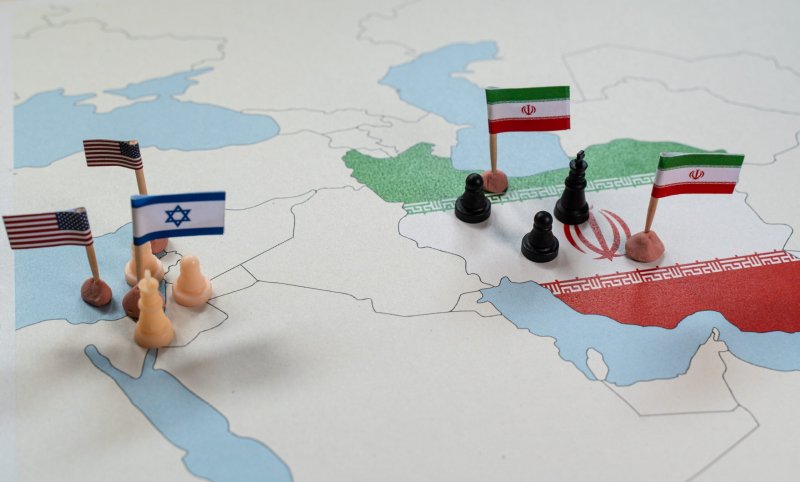
The escalating conflict between the United States, Israel, and Iran has raised one of the most critical geopolitical questions of 2026: will Arab countries join the war?
The answer is complex, evolving, and deeply tied to security, politics, economics, and survival strategies across the Middle East.
RECOMMENDED STORIES
Below is a comprehensive FAQ style explainer based on the latest developments, expert analysis, and regional dynamics.
What is the current situation in the region?
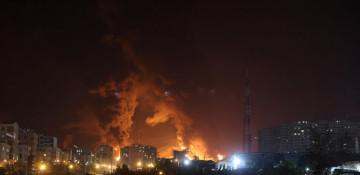
The conflict has escalated into a multi layer crisis involving military strikes, retaliatory attacks, and economic disruption. The United States and Israel have targeted Iranian military and strategic assets, while Iran has responded with missile and drone strikes across the region.
This has expanded the conflict beyond a direct confrontation into a broader regional issue. Energy infrastructure, shipping routes, and security systems across the Middle East are now under pressure.
Are Arab countries currently part of the war?
Most Arab countries are not officially participating in the war alongside the United States and Israel. However, they are not entirely outside the conflict either.
Many of them host US military bases, share intelligence, or cooperate on defense systems. This means they are indirectly involved and have already become targets of retaliatory actions in some cases.
In practice, Arab countries are in a gray zone between neutrality and involvement.
Why are Arab countries trying to stay out of the war?
There are several major reasons for this cautious approach.
First is the risk of retaliation. Iran has already demonstrated its ability to strike targets across the region. If Arab countries formally join the war, they would become primary targets.
Second is economic vulnerability. Gulf economies depend heavily on oil exports and stable trade routes. War threatens both production and transportation.
Third is domestic stability. Governments are concerned about internal unrest, especially if the conflict causes economic damage or humanitarian consequences.
Fourth is diplomacy. Some Arab countries have spent years improving relations with Iran and want to preserve those ties.
Which Arab countries are most exposed to the conflict?
Several countries are particularly vulnerable due to geography and strategic importance.
Saudi Arabia is a key player due to its size, energy infrastructure, and relationship with the United States. It has already faced attacks and is under pressure to respond.
The United Arab Emirates is also exposed, though it has taken a more cautious stance focused on defense rather than escalation.
Qatar hosts major US military facilities and has traditionally played a mediator role, but it has also been affected by regional instability.
Bahrain hosts important US naval assets and is highly sensitive to escalation.
These countries are on the front line of risk but are still avoiding direct war participation.
Could Arab countries join the war later?
Yes, but their involvement would likely depend on specific triggers.
If Iran significantly escalates attacks, especially against civilian targets or major infrastructure, Arab governments may feel compelled to respond militarily.
If the United States increases pressure on its allies to participate more actively, that could also influence decisions.
Another factor is the balance of power. If one side appears close to decisive victory, some countries may align to protect their interests.
However, joining the war remains a last resort for most governments.
What role are Arab countries playing right now?
At present, their role is mostly defensive and diplomatic.
They are strengthening air defense systems to intercept missiles and drones. They are protecting energy infrastructure and key economic assets.
Diplomatically, several countries are calling for de escalation and trying to mediate between the parties.
At the same time, they are quietly coordinating with international partners, including the United States, while avoiding public alignment.
This approach reflects a strategy of minimizing risk while maintaining strategic flexibility.
Are Arab countries cooperating with Israel?
There is limited and mostly indirect cooperation.
Some countries have developed quiet security ties with Israel in recent years, especially in areas like intelligence sharing and air defense coordination.
However, open military cooperation remains politically sensitive due to public opinion and the broader regional context.
Even where cooperation exists, it is usually not publicly acknowledged.
How has Iran’s strategy affected Arab countries?
Iran has applied pressure across the region in a way that complicates Arab decision making.
By targeting infrastructure and demonstrating reach, Iran raises the cost of neutrality.
At the same time, its actions increase fear of escalation, which reinforces the desire to avoid direct involvement.
This creates a difficult balance where Arab states must protect themselves without provoking further attacks.
What is the role of the United States in shaping Arab decisions?
The United States is a central factor.
It provides security guarantees to several Arab countries and maintains a strong military presence in the region.
At the same time, its actions in the conflict can draw allies closer to the front line.
Some Arab governments are concerned about being pulled into a broader war due to their partnerships with Washington.
This dynamic creates both dependence and tension.
How does public opinion influence decisions?
Public opinion in Arab countries is an important constraint.
Many populations are wary of war and skeptical of alignment with Israel.
Governments must consider domestic reactions when making strategic decisions, especially in times of economic uncertainty.
This limits the ability of leaders to openly join military operations.
What is happening with energy and oil markets?
Energy markets are at the center of the crisis.
Oil prices have surged due to fears of supply disruption. Attacks on energy infrastructure and threats to shipping routes increase volatility.
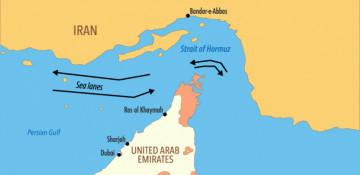
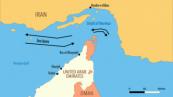
The Strait of Hormuz, a critical passage for global oil shipments, remains a major concern. Any disruption there would have global consequences.
For Arab countries, protecting energy exports is a top priority, which discourages escalation.
What are the possible scenarios going forward?
There are several possible paths.
The most likely scenario is continued limited involvement, with Arab countries focusing on defense and diplomacy.
Another scenario is gradual escalation, where repeated attacks force some countries into more active roles.
The least likely but most dangerous scenario is full scale regional war involving multiple Arab states.
Each scenario depends on how the conflict evolves in the coming weeks.
What would trigger a major shift?
A major shift could be triggered by large scale attacks on cities, significant civilian casualties, or severe damage to critical infrastructure.
Another trigger could be a breakdown in diplomatic efforts or a dramatic expansion of military operations by any side.
If the conflict threatens the survival or stability of governments, the calculus could change quickly.
What is the overall outlook?
Arab countries are currently trying to avoid direct participation in the war. They are balancing security concerns, economic risks, and political realities.
However, the situation is fluid. As the conflict intensifies, maintaining neutrality becomes more difficult.
The key point is that while Arab states do not want to join the war, they may be forced into deeper involvement if escalation continues.
For now, caution remains the dominant strategy, but the margin for staying out of the conflict is narrowing.
By Faig Mahmudov


Similar news