Aleppo under siege: What's driving the conflict? - INTERVIEW


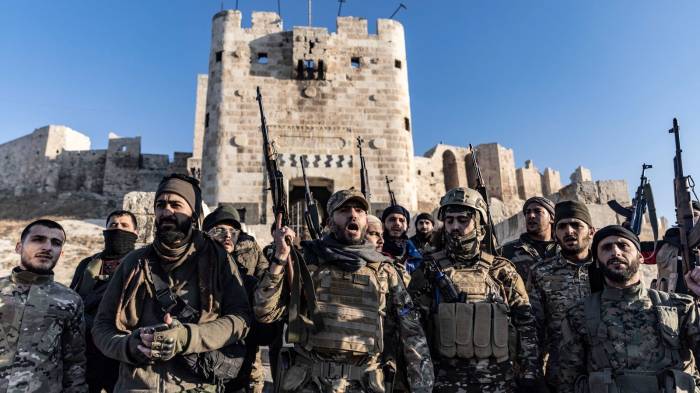
Rebels in front of the Aleppo citadel after seizing control of large parts of the city. Pic: AP
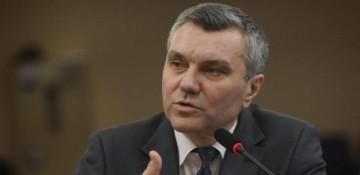
News.Az presents an interview with Turkish political analyst Engin Ozer.
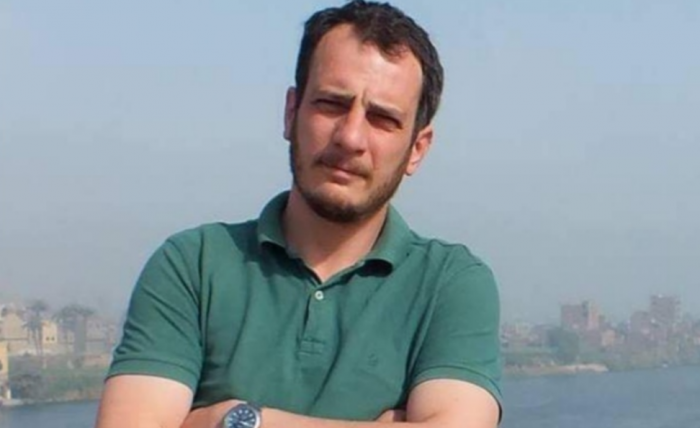
- What triggered the renewed hostilities in Aleppo? What factors have intensified the situation?
- Idlib is currently home to about 3.5 million people, including both refugees and local residents. While there are radical elements present, the majority of the population consists of civilians. Tensions in the region have escalated in recent months due to intensified bombings by the Syrian army targeting civilian-populated areas.
Türkiye repeatedly warned of potential reactions from groups like Hay'at Tahrir al-Sham, but the bombardments persisted. In response, these groups launched a counteroffensive aiming to block the strategic M4 highway connecting Damascus and Aleppo. Recognizing weaknesses in Aleppo's defenses, militants initiated a large-scale assault on the city, effectively causing its fall. Their primary goal is to sever the Syrian army’s logistical routes and maintain control over the city.
- What strategic importance does Aleppo hold for the various parties involved in the conflict, and why has it become the focal point of hostilities again?
- Aleppo is Syria’s second-largest city and a major commercial hub. Before the war, it had a population of approximately 2 million, half of whom later became refugees, with many seeking asylum in Türkiye. Strategically, controlling Aleppo enables a blockade of trade routes to Damascus, potentially leading to the economic isolation of Syria’s capital. For the Syrian administration, losing Aleppo is a significant setback as it is a key city situated at the crossroads of interests for pro-Turkish forces, Kurdish groups, and the Syrian army. Additionally, the weakened position of government forces has made the city more vulnerable to attacks.
- What role does Russia play in the current fighting in Aleppo, and is it supporting Syrian government forces?
- Russia’s involvement in Aleppo is primarily through air support. Airstrikes targeting militant positions are being launched from its military base in Latakia, although Russian forces are not actively conducting ground operations. Notably, unidentified drones have been targeting Syrian aviation. Reports indicate that one government aircraft was downed by such drones. Experts highlight that these drones are not Turkish-made. While their origin remains unknown, there is speculation about potential Israeli or other foreign involvement.
- What are the interests of Türkiye in Aleppo, considering its support for some opposition groups? How do its actions influence the dynamics of the conflict?
- Türkiye is focused on stabilizing border areas, as a large number of refugees in the country originate from Aleppo. Moreover, Aleppo is strategically important for accessing areas controlled by Kurdish groups, including Tell Rifaat and Manbij. Pro-Turkish forces like the Syrian National Army are preparing for ground operations against Kurdish groups, but Türkiye is not involved in the current fighting in Aleppo. The offensive on the city has been orchestrated by Hay'at Tahrir al-Sham, formerly part of Jabhat al-Nusra, which is not affiliated with Türkiye.
- Russia and Iran traditionally coordinate their efforts in Syria to support Bashar al-Assad’s government. What is their role in the current situation?
- Iran has temporarily reduced its presence in the region, as some Shia groups have been redeployed to Lebanon due to escalating tensions there. However, once a ceasefire agreement is reached between Israel and Lebanon, Iranian proxy forces are expected to return to Syria.
Syrian President Bashar al-Assad recently visited Moscow to discuss the situation, indicating continued coordination between Russia and Syria. Air operations in the region are entirely managed by the Russian Aerospace Forces, while ground operations are conducted with Iranian support. However, the presence of active drones complicates complete airspace control, adding another layer of complexity to the conflict.


Similar news