Arctic LNG 2: How the U.S. is escalating economic pressure on Russia


By Asif Aydinli
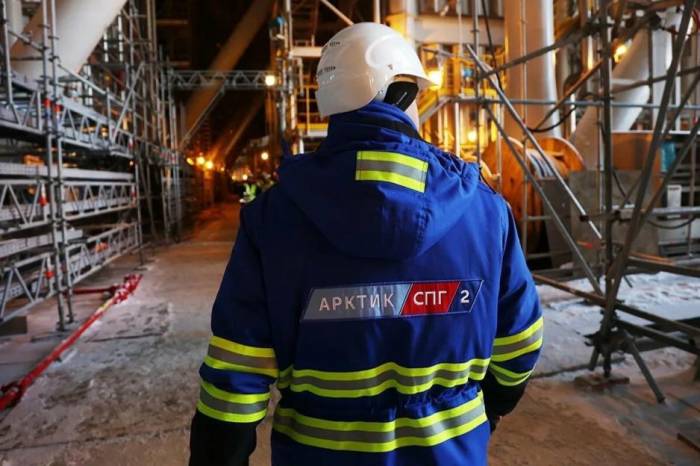
On August 23, 2024, the U.S. State Department announced a fresh wave of sanctions targeting Russia, going after nearly 190 individuals and organizations, with the Treasury Department flagging nearly 200 more. These sanctions aim to ramp up economic pressure on Moscow, hitting its major economic and military sectors hard. But what are these sanctions really about, and what could they mean for the future? Let's dive in.The new sanctions cast a wide net, targeting companies from China and other countries that are still doing business with Russia, the energy sector (including the Arctic LNG 2 project), Russia’s military-industrial complex, and logistics for air transport, as well as subsidiaries of Rosatom, Russia's state nuclear energy corporation. It’s clear that the U.S. is trying to cut off Russia’s external support lines to weaken its economic and military footing and disrupt its energy exports.
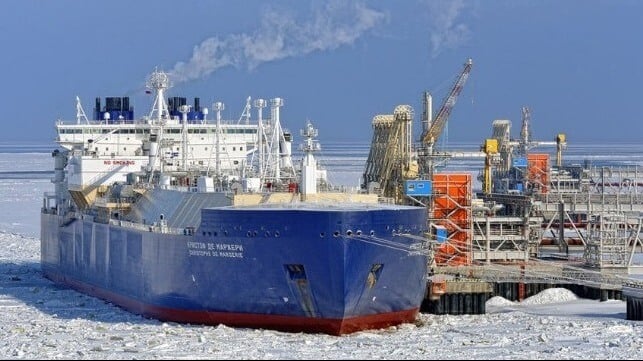
A significant focus of these sanctions is on what’s being called the "shadow fleet" of tankers transporting liquefied natural gas (LNG) produced in Russia. Things got tense when, in August 2024, some of these tankers started docking at the sanctioned Arctic LNG 2 project in Russia's Arctic region. The U.S. has slapped secondary sanctions on seven LNG carriers, including some brand-new ships, signaling a crackdown on the shipping of Russian energy resources. Sanctions against tankers like the "Pioneer" and "Asya Energy," which reportedly tampered with their AIS transponder signals to hide their movements, show the U.S.'s increasing concern over Russia’s use of covert tactics to dodge sanctions. This move highlights a broader effort to limit Russia’s ability to move its energy products.
 The U.S. sanctions seem to be part of a bigger strategy to weaken Russia’s economic and technological power. Washington is aiming to isolate Russia from global markets and cut off its access to key technologies, potentially diminishing Russia’s influence worldwide. However, these actions could also backfire. They might push Russia to find new partners who are not on board with the U.S.'s sanctions game, leading to the formation of new alliances and a shift toward a more balanced global order.
These sanctions could also be viewed as a form of economic protectionism, primarily benefiting U.S. energy companies, particularly in the shale gas sector. They help the U.S. tighten its grip on the global energy market and curb the reach of competitors like Russia. This approach is raising eyebrows worldwide, with more countries questioning a global system dominated by a single power. There’s a growing call for a more balanced and fair international order where no one nation calls all the shots.
Looking ahead, the sanctions are likely to fuel more economic and political tension between the U.S. and Russia. In the short term, they could worsen Russia's economic situation and pile pressure on its key sectors. In the long run, we might see significant geopolitical shifts, including new alliances forming among countries looking for a multipolar world. However, these sanctions could also trigger retaliatory actions from Russia and its allies, escalating global tensions even further. Whether the U.S. can achieve its objectives remains to be seen, and a lot will depend on how the rest of the world reacts to these moves.


Similar news