Azamat Seitov: Uzbekistan reveals hidden logic behind involving Azerbaijan in the Central Asian space - INTERVIEW


The decision to admit Azerbaijan as a full participant in the Consultative Meeting of Central Asian Heads of State is a move that reshapes the logic of regional politics and, for the first time, brings the South Caucasus and Central Asia into a shared strategic orbit. It is not just a diplomatic gesture — it is a step that opens new routes, new alliances, and new opportunities for the entire Eurasian region.
Why now? What expectations does Tashkent attach to this development? And how does the personal diplomacy of the leaders of Uzbekistan and Azerbaijan turn bilateral relations into a factor of regional significance?
News.Az discussed these questions with one of Uzbekistan’s most respected analysts — Professor Azamat Seitov, head of the Laboratory at the Institute for Advanced International Studies at the University of World Economy and Diplomacy.
– How do Uzbekistan’s official structures and expert community view Azerbaijan’s accession to the Central Asian Consultative Meeting?
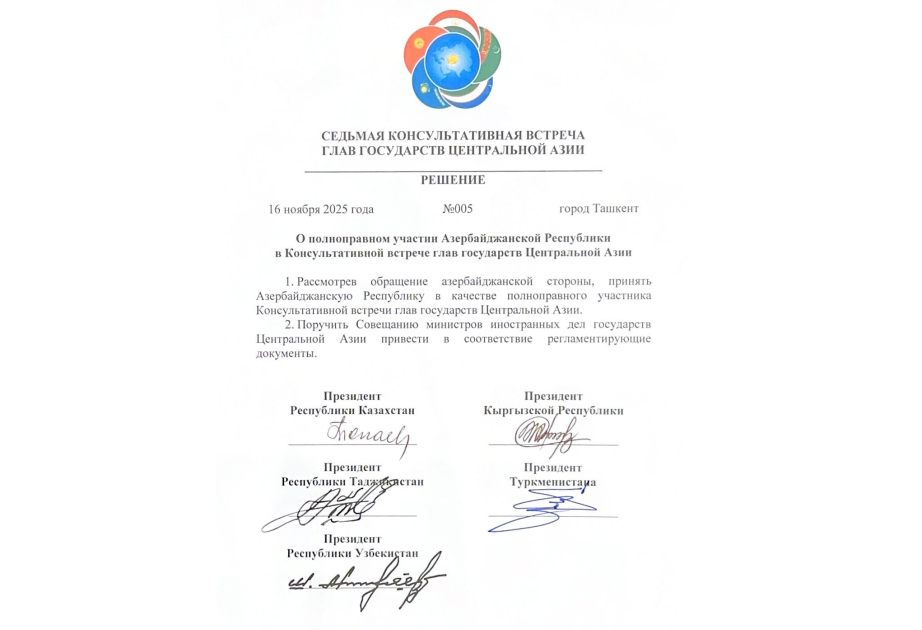
Source: Azertag
– In Uzbekistan, the decision to include Azerbaijan as a full participant is seen as a logical and positive step that organically expands the architecture of regional cooperation. Officials emphasize that Baku is viewed not as an external observer but as part of the Turkic, and more broadly, Eurasian, space, whose participation strengthens trust and complementarity. It is also noted that Azerbaijan’s presence enhances the region’s transport and energy potential, as the country is a key link in trans-Eurasian corridors, including the Trans-Caspian route.
– What new opportunities does Azerbaijan’s participation open for the region’s sustainable development and stability?
– Tashkent stresses that this decision fully reflects the country’s course toward openness, pragmatism, and cooperation based on trust. Baku’s entry gives the format a new dynamic dimension, increases its international weight, and enhances the effectiveness of collective decisions. It also strengthens Turkic unity, deepens economic connectivity and energy partnership, and contributes to the growth of regional solidarity. As a result, the format receives an additional impulse for turning Central Asia into a space of stability and constructive interaction.
– What are the political and strategic advantages of this step?
– According to Tashkent, Azerbaijan’s accession opens new political and strategic horizons for the region. President Shavkat Mirziyoyev has repeatedly emphasized that Uzbekistan and Azerbaijan are two brotherly nations and states with an unprecedented level of trust. This spiritual and cultural closeness becomes an important asset that reinforces regional cooperation and increases Central Asia’s agency in international affairs.
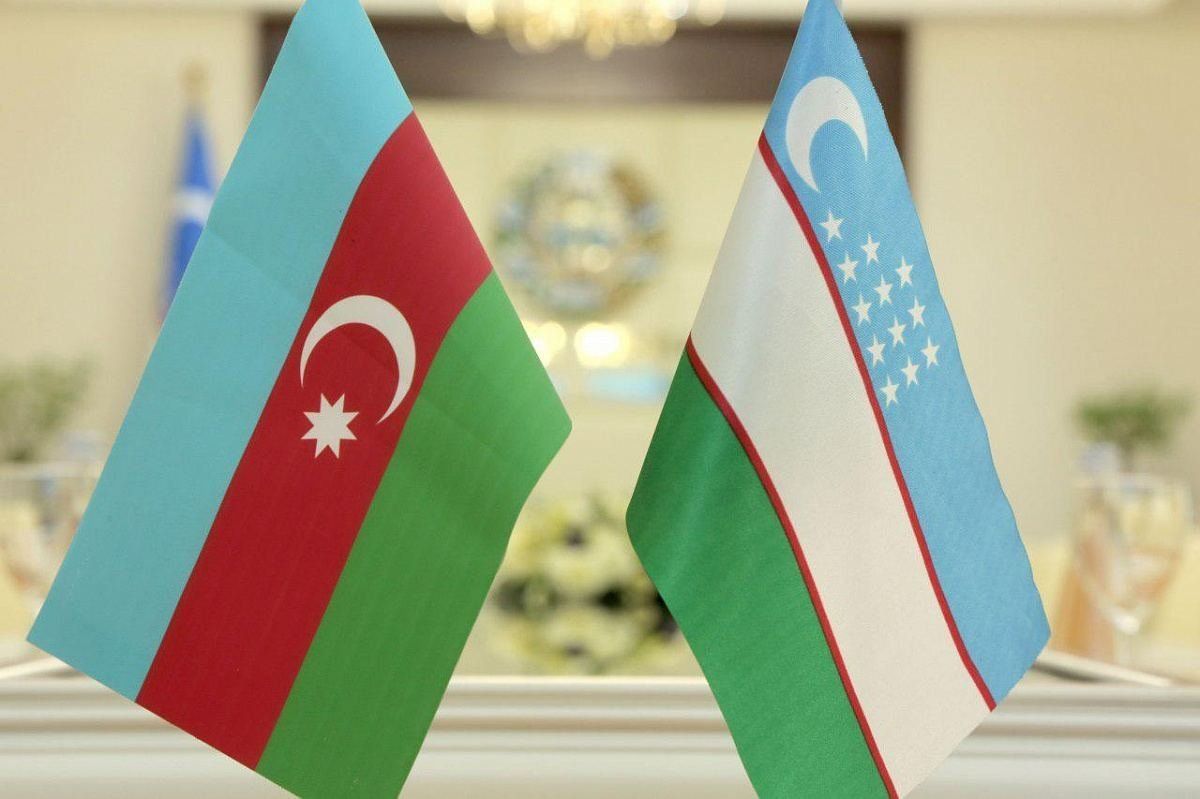
Source: APA
– What expectations does Uzbekistan associate with the new regional mechanisms?
– With Baku’s participation, the region acquires a qualitatively new strategic dimension, forming a full bridge between Central Asia and the South Caucasus. For Uzbekistan, this means expanding diplomatic tools, strengthening transport and logistics connectivity, and developing new energy and trade routes, with Azerbaijan playing a key role. The decision increases the international agency of Central Asia and stimulates the implementation of coordinated initiatives. It is no coincidence that President Mirziyoyev called it “historic,” capable of giving regional cooperation a new dynamic.
– How does the personal trust between the leaders of Uzbekistan and Azerbaijan influence the architecture of cooperation in Central Asia?
– The brotherly relations between Presidents Shavkat Mirziyoyev and Ilham Aliyev create a unique atmosphere of mutual understanding that is essential for rapid and coordinated decisions. This trust is viewed as a strategic resource that strengthens bilateral ties and encourages other states to participate in regional formats.
Thanks to the personal diplomacy of the two leaders, a solid foundation is being formed for a “bridge” between Central Asia and the South Caucasus, accelerating integration processes and enhancing the resilience of regional cooperation.
– How can Baku’s participation enhance the region’s economic connectivity (logistics, transit, industry)?
– Azerbaijan’s presence significantly boosts economic interconnection, as the country is a central hub of the Trans-Caspian, Caucasus, and Middle Corridor routes. Importantly, these opportunities became fully achievable after Azerbaijan restored its territorial integrity, which increased the country’s stability and international weight. For Central Asia, this marks a transition to a more integrated model of cooperation where industrial collaboration and transit rely on stable political mechanisms.
Baku forms a critical link in the Trans-Caspian corridor connecting Central Asia with Türkiye and Europe. Within the unified format, it becomes easier to coordinate tariffs, transport standards, digital procedures, and the development of ports such as Aktau, Turkmenbashi, Alat, and logistics centers in Uzbekistan. This accelerates cargo flows and increases the capacity of regional routes.
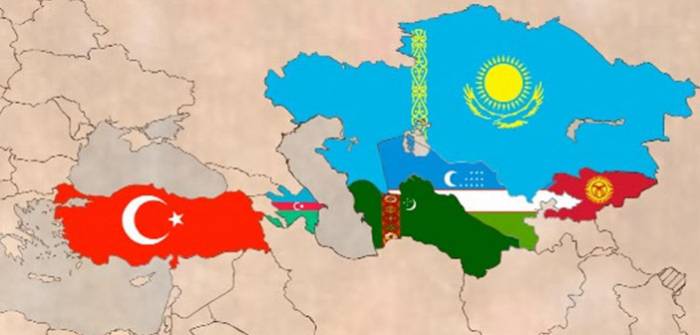
Source: News.Az
– What humanitarian and cultural directions may gain new momentum?
– Azerbaijan’s participation opens new opportunities for humanitarian and cultural rapprochement. Given the centuries-old spiritual and historical ties, the humanitarian sphere becomes one of the most natural directions for growth. In the future, academic exchanges, joint research centers, and educational programs on Turkic languages and cultural heritage may expand. Creative unions, theatre and film projects, festivals, and joint efforts to preserve common cultural heritage — monuments, manuscripts, traditional crafts — are expected to intensify. This will strengthen societal dialogue and promote the values of peace and good neighborliness.
– How can Azerbaijan’s participation enhance the region’s resilience and diplomatic support on the international stage?
– Baku’s presence reinforces a model of regionalism based on trust and open dialogue. For Uzbekistan, it expands the collective capabilities of Central Asia, both economically and politically.
Azerbaijan strengthens the region’s integration into the global economy, broadens export opportunities, and reinforces the Trans-Caspian corridor, particularly important amid plans to increase mutual trade by 1.5–2 times. In the security sphere, coordinated positions bolster the region’s ability to respond to terrorism, extremism, cross-border crime, and instability in Afghanistan. The adopted Concept of Regional Security and the Risk Catalogue gain new content thanks to Baku’s contribution.
On international platforms, Central Asia’s voice becomes stronger. Azerbaijan enhances the region’s diplomatic agency through its active participation in the OTS, UN, and other formats, helping promote Uzbekistan’s initiatives ranging from water and environmental diplomacy to digital economy and humanitarian projects.


Similar news