Azerbaijan reduces dependence on Russia, opting for Pakistani fighter jets


.jpg)
Editor's note: Hamza Azhar Salam is the Editor of The Pakistan Daily.
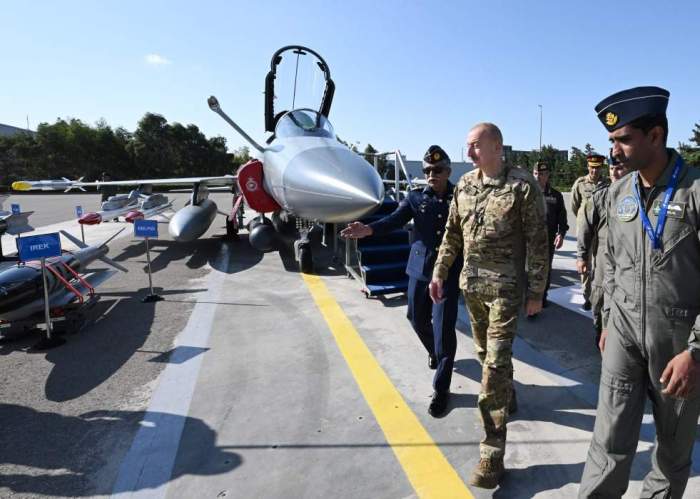
Azerbaijan’s acquisition of JF-17C Block-III fighter jets from Pakistan can be considered a tactical and geopolitical masterstroke, solidifying its aerial supremacy while deepening strategic ties with a key ally.This deal isn’t just a routine upgrade; it signals a significant shift in regional power dynamics and affirms Azerbaijan's growing military self-sufficiency.
The JF-17C Block-III is a force multiplier. Co-developed by Pakistan Aeronautical Complex (PAC) and China’s Chengdu Aircraft Corporation (CAC), it integrates the KLJ-7A AESA radar, which allows for multi-target engagement with enhanced tracking accuracy.
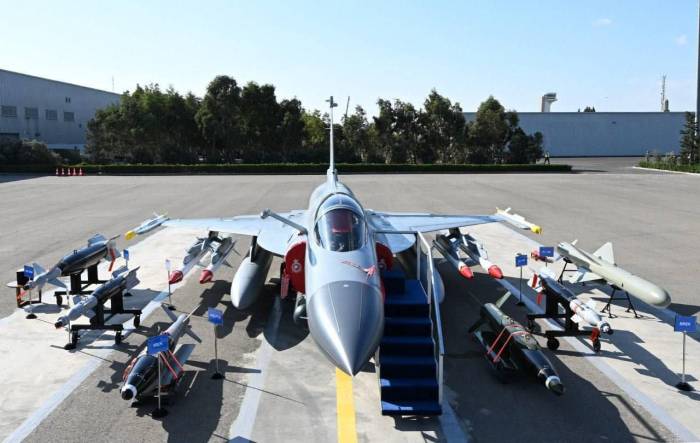
The PL-15 missile provides formidable beyond-visual-range capabilities, extending Azerbaijan’s ability to strike enemy aircraft from over 200 kilometers away. The digital fly-by-wire system and helmet-mounted display further enhance agility and reaction time in combat, allowing pilots to engage targets at lightning speed.
Azerbaijan's air force, already bolstered by the successful use of drones in the 2020 Karabakh conflict, now moves to a higher echelon of combat readiness with the JF-17C.
In comparison, Armenia, which relies on older Soviet-era Su-30SM fighters, is left technologically outmatched. The JF-17C’s superior avionics, missile capabilities, and maneuverability make it a decisive advantage in both air-to-air engagements and precision ground strikes, securing Azerbaijan’s control of the region's airspace.
This acquisition isn’t just a military victory; it also strengthens Azerbaijan's strategic partnerships, particularly with Pakistan and Turkey.
Pakistan's successful export of the JF-17C Block-III marks a milestone in its defense ambitions, with Azerbaijan becoming the first foreign operator of this particular variant.
For Pakistan, this deal represents its growing influence as a global defense exporter, with the JF-17C offering a compelling, cost-effective alternative to Western and Russian aircraft.
By providing advanced technology without the prohibitive costs associated with traditional suppliers, Pakistan has positioned itself as a rising competitor in global defense markets.
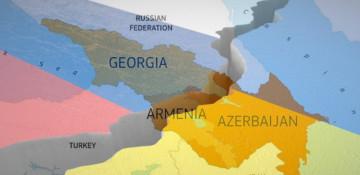
Azerbaijan’s move away from Russian suppliers, further cemented by its partnership with Pakistan, reflects a wider geopolitical shift.
As Azerbaijan strengthens its military ties with Pakistan and Turkey, it signals a diversification of defense alliances, moving toward greater independence from traditional power brokers like Russia.
This strategic realignment is pivotal for Azerbaijan in a volatile region, where military capabilities can shape diplomatic and territorial outcomes.
Azerbaijan’s acquisition of the JF-17C Block-III guarantees its dominance in the skies, provides a versatile and powerful military platform, and enhances its regional security.
For Pakistan, this deal solidifies its role as a competitive defense exporter, affirming its capacity to deliver advanced, high-performance military solutions at affordable prices.
Together, these developments mark a turning point in both Azerbaijan’s defense strategy and Pakistan’s ambitions on the global stage, shaping the future of military power in the South Caucasus and beyond.
(If you possess specialized knowledge and wish to contribute, please reach out to us at opinions@news.az).


Similar news