BRICS summit: A multipolar world or political spectacle?


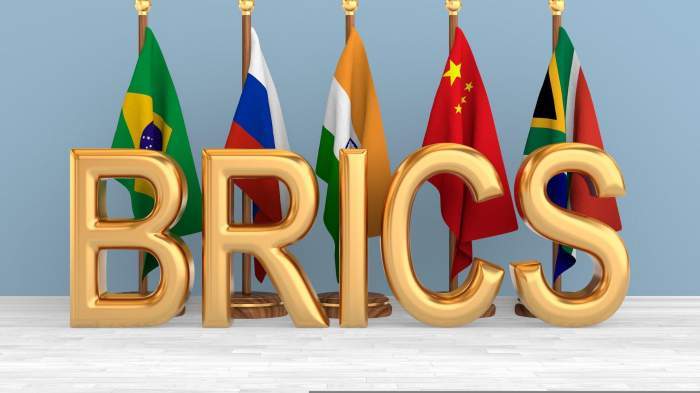
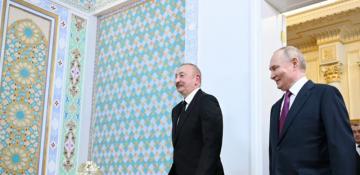
From October 22 to 24, 2024 , Kazan will host the XVI BRICS Summit, one of the most talked-about events of the year. More than 30 world leaders have confirmed their participation, including heads of state, leaders of regional organizations, and key international institutions. Russia, chairing BRICS in 2024, is preparing to present initiatives that, according to officials, aim to strengthen global multipolarity.
But let’s take a critical look at this event. What is BRICS in the modern world? Is it truly a new force ready to challenge Western hegemony, or just another platform for discussions and declarations not backed by real action?BRICS: From ambitions to reality
Originally founded in 2006 as a platform for dialogue and cooperation among rapidly developing economies, BRICS began with Brazil, Russia, India, and China. This coalition had immense potential: four of the world’s largest emerging markets were joining forces to compete with the West. In 2010, South Africa (SA) joined the group , adding the final piece to the puzzle and completing the acronym with the symbolic "S."
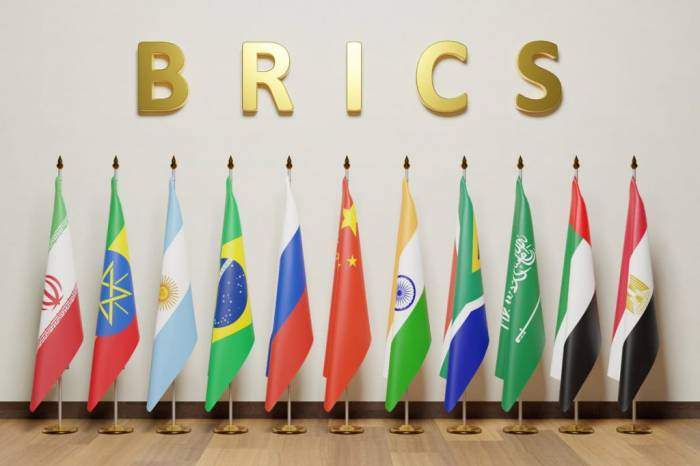
Since then, however, much has changed. BRICS continues to expand : in January 2024, six new members—Egypt, Iran, the United Arab Emirates, Saudi Arabia, and Ethiopia—joined the organization. This sparked widespread interest and raised expectations that BRICS might become an alternative to Western structures like the G7 or IMF. Over 34 countries, including Turkey, Azerbaijan, and Malaysia, have also expressed interest in joining the club.
The question remains, though: can these ambitious plans transform into tangible actions? Despite the growing number of participants and significance, the gap between rhetoric and concrete steps remains substantial.
Political game or economic interest?
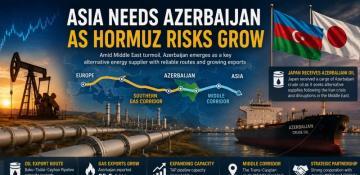
For many countries, joining BRICS is not just a political gesture but also an economic calculation. For example, Azerbaijan’s economy is closely tied to BRICS members—Russia, China, and India are key trade partners and investors in the country. Joining BRICS would allow Baku to not only strengthen these ties but also tap into new markets, which is especially important amid global geopolitical shifts and increasing pressure from the West.
However, Azerbaijan has already faced difficulties on its path to BRICS membership . In 2022, India blocked its invitation, reflecting the complex relations between the two nations. Despite the support of China and Russia, Azerbaijan faces the tough task of building relationships with key players in the bloc, including not only India but also Iran.
Moreover, BRICS membership opens the door for Baku to engage more actively in the political agenda. Joining the bloc could also benefit the country in terms of its geopolitical ambitions. For Azerbaijan, which seeks to strengthen its global standing, BRICS offers a unique opportunity to interact with major global players and gain access to new international resources.
BRICS economy: From words to action
A significant step at the summit will be the discussion of the BRICS Clear system—a new payment system that promises to revolutionize international settlements. The system’s core is inter-depository transactions in national currencies between BRICS banks, which would significantly reduce dependence on the dollar and other international currencies. If successfully implemented, this initiative could save BRICS countries up to $30 billion annually, marking a major step towards economic independence from Western financial institutions.
However, these ambitions hinge on the decisions made at the summit. The success of this initiative will determine whether BRICS can truly become an independent economic player capable of competing with global structures like the IMF and World Bank or whether it will remain on the periphery of the global economy.
Saudi Arabia and oil politics
As preparations for the summit unfold, an intriguing situation has arisen: Saudi Arabia's Crown Prince Mohammed bin Salman has declined to personally attend the summit , despite his country becoming a new BRICS member. The reason for his absence remains unclear, but his decision coincides with rumors that Saudi Arabia intends to significantly increase oil production. This could lead to a further drop in oil prices, which would inevitably affect oil-exporting countries, including Russia and Iran—two key BRICS members. We may be witnessing the beginning of a new oil war, where the interests of Saudi Arabia and other members of the organization could clash.
BRICS and the future of the global economy
Despite its ambitions, BRICS faces serious challenges. Internal contradictions, varying levels of economic development among member countries, and political frictions could hinder the full realization of its plans. Nevertheless, the summit in Kazan presents a unique opportunity to strengthen the organization and explore new avenues for cooperation, especially in the context of the Global South—a topic that will be the focus of the second half of the summit.
A multipolar world is not a myth if it is backed by real actions. BRICS is one of the tools that can help countries of the Global South find their place in the new world order. However, as past summits have shown, bold statements are not enough. Member countries will need to overcome internal disagreements and work on practical solutions to turn ambitious slogans into real achievements.
The summit in Kazan could either mark the beginning of a new phase in global politics or become just another series of statements that are forgotten the next day. Time will tell whether BRICS is ready to play a role as a true driver of global change or remain a club of nations that occasionally gather to discuss abstract goals without rushing to implement them.
(If you possess specialized knowledge and wish to contribute, please reach out to us at opinions@news.az).


Similar news