China declares economic war on the U.S.: A new trade battle begins


By Asif Aydinly
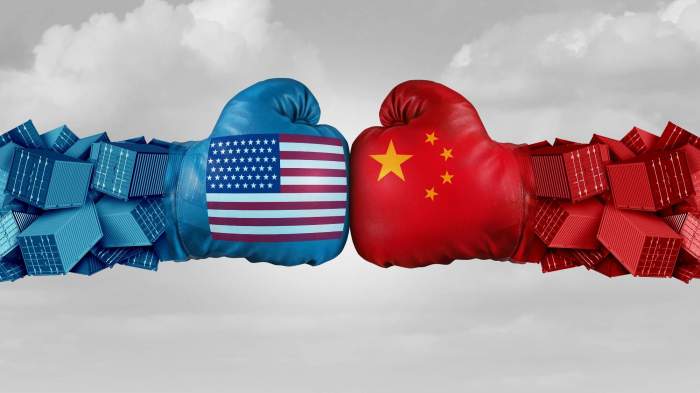
China has officially announced its intention to file a lawsuit with the World Trade Organization (WTO) in response to the U.S. decision to impose new tariffs on Chinese goods. This move marks the continuation of a long-standing economic standoff between the world’s two largest economies.
China’s Ministry of Commerce has stated that it views this step by the U.S. as a violation of WTO norms. According to Beijing, the imposition of unilateral tariffs not only fails to address America’s economic challenges but also harms global trade, creating additional risks for international economic stability.
Chinese authorities emphasize that the introduction of new tariffs contradicts free market principles and breaches international trade agreements. They argue that the U.S., leveraging its economic influence, is erecting barriers that restrict Chinese goods’ access to the American market. In Beijing’s view, this not only undermines the foundation of international trade but could also have adverse effects on the global economy as a whole.
Beijing has also asserted that it will use all available legal mechanisms to protect its economic interests. China remains hopeful for constructive dialogue with Washington and has expressed its willingness to engage in negotiations, provided that the principles of mutual respect and equal cooperation are upheld.

The U.S. has repeatedly imposed tariffs on Chinese goods, citing the need to protect the domestic market and support national industries. One of Washington’s primary arguments is the trade imbalance: in 2023, the combined exports of China, Canada, and Mexico to the U.S. amounted to approximately $1.5 trillion, a significant share of the country’s total imports.
Additionally, the U.S. administration claims that China’s trade policies—including state subsidies and support for domestic manufacturers—create unfair competition for American businesses. Washington has repeatedly accused Beijing of currency manipulation, forced technology transfers, and the use of concealed mechanisms to support national enterprises, which, according to U.S. authorities, undermine fair competition.
Supporters of the tariffs argue that such measures will help create additional jobs in the U.S., reduce dependence on Chinese goods, and stimulate domestic manufacturing. However, critics warn that in the long run, the new tariffs could lead to higher prices for American consumers and complicate operations for U.S. companies that rely on Chinese suppliers.
The WTO is a key institution regulating global trade, but its influence has been repeatedly called into question in recent years. Notably, the dispute resolution mechanism has faced significant challenges due to the paralysis of the WTO’s Appellate Body. Previously, former U.S. President Donald Trump actively obstructed the appointment of new judges, effectively crippling this function. As a result, even if China wins the case, the WTO may lack the effective mechanisms needed to compel the U.S. to comply with its ruling.
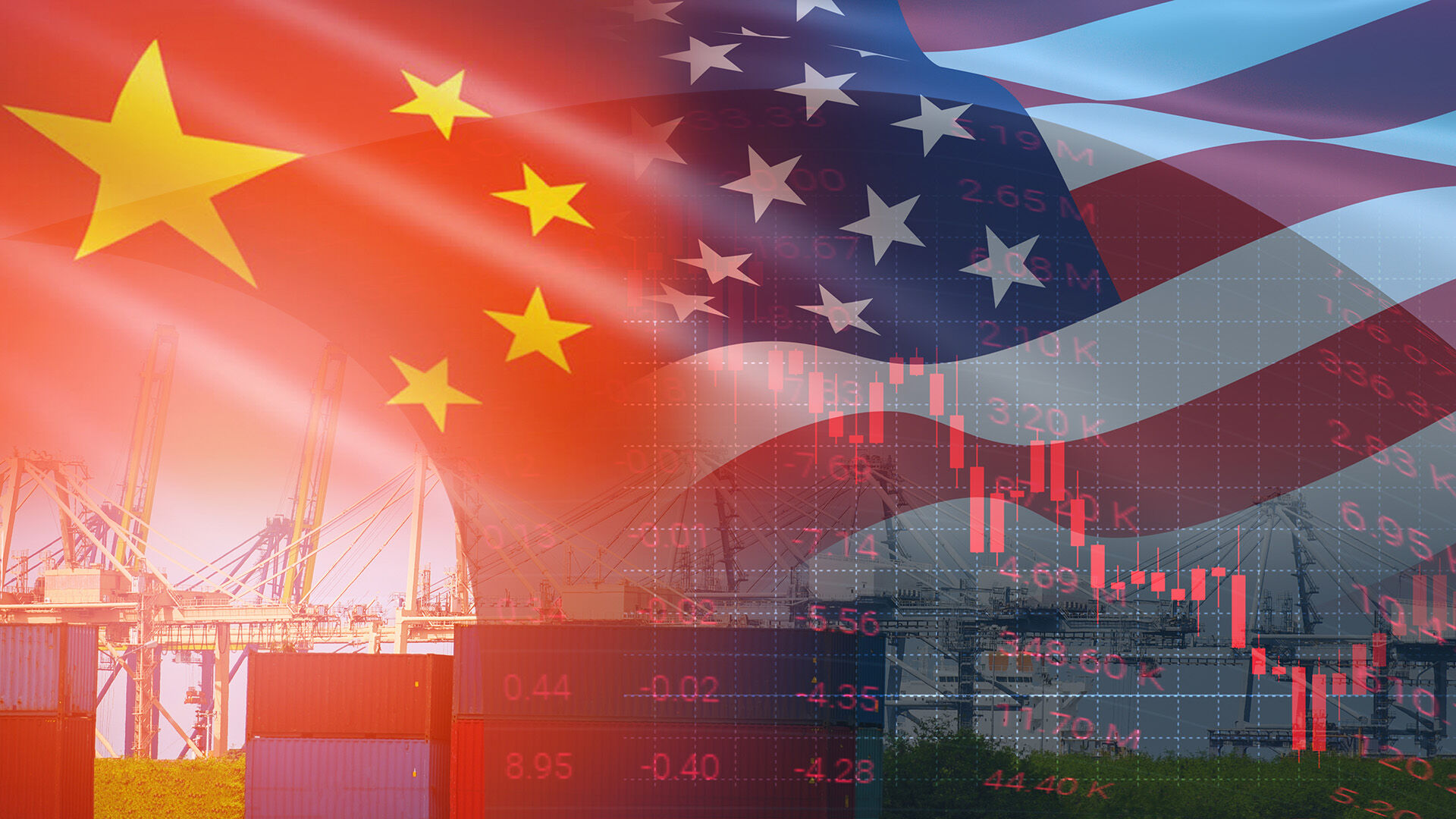
The imposition of new tariffs could escalate trade tensions further, prompting retaliatory measures from China. Potential responses from Beijing may include reciprocal tariffs on American goods, restrictions on U.S. companies operating in China, and stricter bureaucratic requirements for conducting business in the Chinese market. In the long term, such a policy could further complicate economic relations between the two nations.
U.S.-China trade relations remain complex, and the introduction of new tariffs only adds to the existing tensions. China’s lawsuit at the WTO may mark another chapter in the ongoing reexamination of trade mechanisms and international economic regulations. However, the outcome of this case and its actual impact on trade relations between the world’s two largest economies remain uncertain.
Against the backdrop of global economic shifts, the trade policies of the U.S. and China have become crucial factors shaping the future of international economic relations. Despite the harsh rhetoric, both sides will likely continue seeking compromises, as a complete breakdown in trade relations would harm not only their national economies but also the global trading system as a whole.


Similar news