China's global strategy: Analyst explains NATO concerns, disinformation, and Ukraine war impact


Amid rising geopolitical tensions and shifting global alliances, the intersection of great power rivalry, disinformation campaigns, and regional economic realignments is becoming increasingly complex. From NATO's concerns about a potential China–Russia axis to disinformation allegations involving Beijing and French defense exports, key developments reveal the strategic recalibrations underway in Eurasia and beyond.
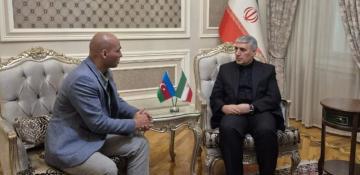
In an interview with News.Az, independent foreign policy analyst Yunis Sharifli offers his insight into the realism behind NATO Secretary General Mark Rutte’s recent warning, the implications of China’s alleged information warfare in South Asia, and Beijing’s quiet strategic calculus surrounding the war in Ukraine. The conversation also explores China’s growing economic ties with Georgia, as both countries seek to revise their trade cooperation amid shifting global dynamics.

Independent foreign policy analyst Yunis Sharifli
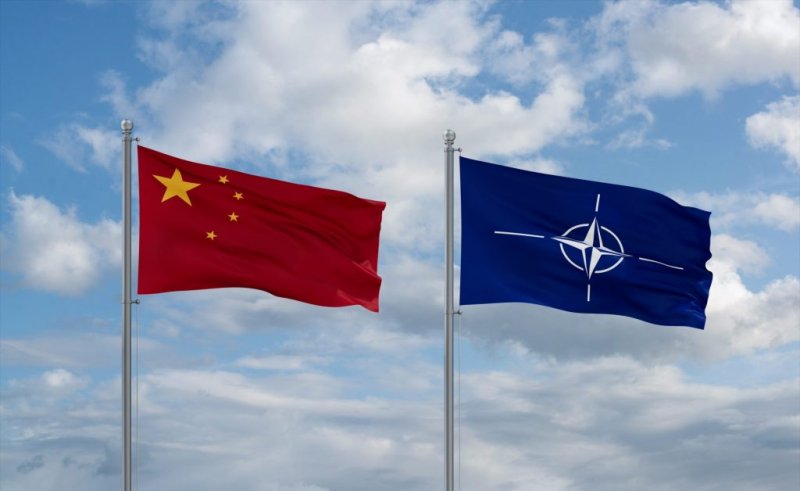
– NATO Secretary General Mark Rutte suggested that China might convince Russia to attack NATO as a strategic diversion if it plans to invade Taiwan. How realistic is this scenario?
Rutte’s statement reflects a worst-case strategic scenario rather than a likely short-term reality. While the China–Russia partnership has strengthened in recent years, particularly through diplomatic and economic ties, Russia remains deeply entangled in its war in Ukraine. Its military capabilities are stretched thin, and opening a second front against NATO would be both extremely risky and potentially disastrous for Moscow.
That said, the logic of diversion—whereby China might encourage global instability to draw Western attention away from the Indo-Pacific—echoes historical precedents, in which major powers have used proxy conflicts or strategic distractions to advance their goals. Still, this scenario remains more theoretical than feasible in today’s geopolitical environment.
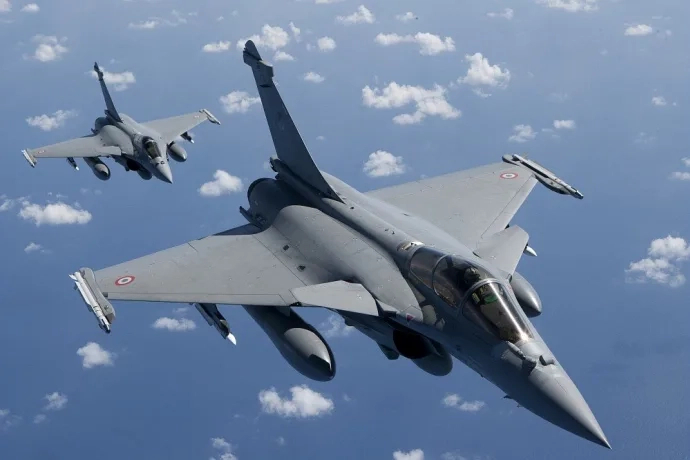 Photo: French Air Force
– France’s intelligence services claim China launched a disinformation campaign to discredit French Rafale fighter jets after India–Pakistan tensions, possibly to promote Chinese military exports. How credible is this claim?
The claim is plausible, given that disinformation has become a routine instrument in today’s great power competition—especially in the arms trade. China is actively working to expand its defense exports and challenge Western manufacturers. Undermining confidence in competitor systems like France’s Rafale would align with Beijing’s interest in promoting its own platforms, such as the JF-17 or J-10, particularly in developing nations.
However, in the absence of concrete public evidence—such as leaked documents or digital forensic analyses linking Chinese state actors or embassies to a coordinated campaign—the allegation remains speculative, though not implausible. Nonetheless, the episode highlights broader European concerns about China’s expanding use of soft power and influence operations in strategic industries.
– Australian analyst Mick Ryan argues that China has strategic reasons to support a prolonged Russia–Ukraine war. Does this benefit China?
Yes, to a certain extent, a prolonged war in Ukraine aligns with several of China’s strategic interests. First, it distracts and weakens the United States and NATO by absorbing political focus and depleting military resources that could otherwise be directed toward the Indo-Pacific. Second, it deepens Russia’s economic and diplomatic dependence on Beijing, granting China privileged access to Russian energy and raw materials.
Third, the war erodes cohesion in the existing global order—creating cracks that Beijing could exploit to reshape institutions and norms more in line with its own vision. However, sustained instability also poses risks for China, including global market volatility and the potential for escalation beyond its control. While Beijing may not directly orchestrate the conflict, it may quietly accommodate—or even welcome—its continuation as a geopolitical buffer.
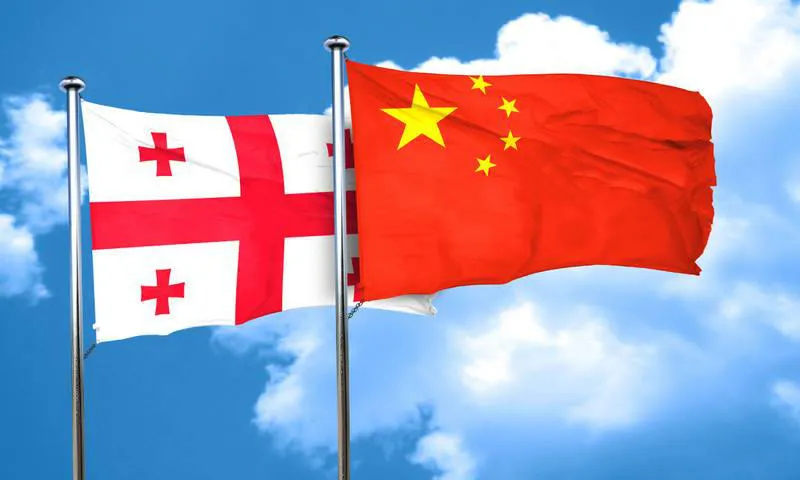 Photo: Shutterstock
– Georgia and China are revising the terms of their free trade agreement. What is the motivation behind this step?
The decision to update the China–Georgia Free Trade Agreement reflects both nations’ intent to deepen bilateral economic ties and adapt to evolving global trade dynamics. For Georgia, revising the deal could open up greater access for key exports like wine, agricultural goods, and logistics services, particularly as the country seeks to position itself as a strategic transit hub between Europe and Asia.
For China, enhancing the agreement supports its broader Belt and Road Initiative strategy, with Georgia offering both overland and maritime corridors that circumvent Russian-controlled areas. This revision also serves Beijing’s broader aim of strengthening bilateral economic agreements as a hedge against growing Western trade restrictions. In essence, the move is driven by both mutual economic opportunity and broader geopolitical recalibration.
By Asif Aydinly


Similar news