Climate hypocrisy: Norway ignores COP29 to avoid responsibility


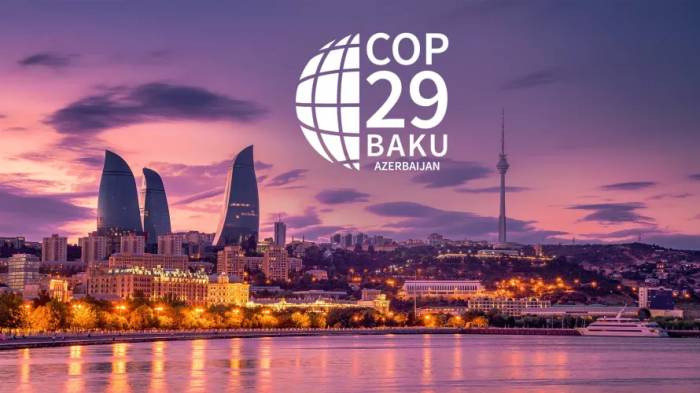
Norwegian Prime Minister Jonas Gahr Støre has unexpectedly decided not to attend COP29 in Baku. This sudden move came as a surprise, as Norway had been actively engaged in the preliminary discussions and events leading up to the climate conference.
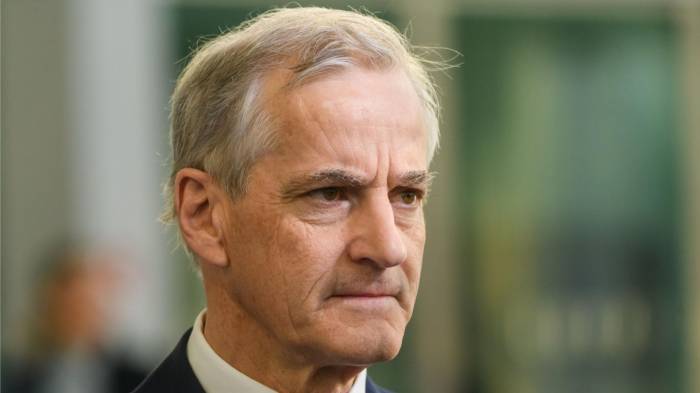
Just recently, at the European Political Community summit in Oxford, Støre emphasized the importance of COP29 in Azerbaijan , calling it a critical continuation of the global environmental agenda. He assured that Norway would participate actively in all processes. In September, the Nordic embassies launched the Nordic Talks: The Nordic Green Model initiative in Azerbaijan, collaborating with the local platform Kitabistan. The goal of the project was to share Northern Europe’s success in transitioning to renewable energy and addressing climate change. Norwegian experts and diplomats participated in discussions on sustainable development and shared experiences in green energy transition. Additionally, Norwegian business circles began forming a delegation to participate in COP29, intending to promote Norwegian climate solutions. The event’s website described COP as "a crucial platform for addressing challenges and opportunities in the green transition, where the business community plays a key role through the exchange of knowledge, experience, and solutions."
Recently, the COP29 website announced that Norway’s Minister of Climate and Environment, Tore O. Sandvik, and South Africa’s Minister of Forestry, Fisheries, and the Environment, Dion Trevor George, were appointed representatives on climate mitigation.
In light of all this, Støre’s sudden decision to skip COP29 seems both odd and illogical. It raises the question: What or who influenced the prime minister's choice? Could it have been pressure from the coalition forming against Azerbaijan ahead of COP, discussions in the Dutch parliament, the Armenian factor, or something else? While the exact reason remains unclear, political motives are evident. A broad campaign against Baku is unfolding in the West, where all means are being employed, and Norway, unfortunately, is often entangled in these efforts, frequently swayed by Armenian propaganda.
However, it is essential to highlight that COP29 is neither a local nor a regional event—it is a global forum addressing matters of life and death. Norway’s presence is vital, given its status as one of the largest oil and gas producers. Oil and gas production contributes about 20% of the country’s GDP and accounts for 44% of its exports. Boycotting the UN climate conference sends a message to the world that Oslo has no intention of changing its course or participating in climate action financing.
This stance aligns with Norway's recent actions. In August, while global discussions on climate disasters peaked, Norway was focused on a different agenda. The Norwegian Offshore Directorate (NOD) urged companies to ramp up exploration and increase production efficiency to avoid a decline in oil and gas output after 2025. NOD emphasized the need for greater investment in exploration, even at existing fields—an approach that reveals the environmental "double standard" Oslo practices. Despite advocating climate action and demanding compliance from other nations, Norway itself seems unwilling to follow suit.
A year ago, the Norwegian government announced its decision to begin extracting minerals from the seabed along its continental shelf, tapping into reserves of magnesium, cobalt, copper, and nickel. This environmentally destructive move was justified under the guise of supporting green energy, with claims that these minerals are essential for batteries, phones, electric vehicles, and wind turbines. The decision sparked protests across the EU, with 119 parliamentarians from across Europe sending a letter to the Norwegian Parliament, urging them to abandon seabed mining. The letter highlighted the ecological risks of biodiversity loss and climate change that mining could exacerbate.
In early 2024, Norway’s government also authorized the dumping of industrial waste into fjords, despite environmental protests. The government won the case in court, and environmental activists were even ordered to cover the substantial legal fees.
While Norway publicly claims to uphold the Paris Agreement, the country’s greenhouse gas emissions show no signs of decreasing—a trend that has persisted for years. Instead of meeting its green commitments, Norway attempts to divert attention by building wind farms. However, given the country's harsh climate and limited land area, wind turbines occupy reindeer pastures, disrupting the natural environment. Local residents have criticized these projects as "idiocy."
Norway's environmental controversies extend beyond land. Despite repeated EU condemnations, Norway continues whaling, citing it as a sovereign right. In 2023, a coalition of 19 environmental organizations filed a complaint with the European Court of Human Rights, accusing Norway of violating the right to environmental protection. Norway’s official response was cynically hypocritical: “Whaling is part of our culture, and we will continue to protect this right.”
It seems likely that Støre recognized how difficult it would be to "defend Norwegian culture"—including practices harmful to the ocean and biodiversity—at COP29. Thus, he chose to stay home, avoiding uncomfortable questions and criticism. However, such an attempt to evade responsibility will not be without consequences. Eventually, Oslo will have to pay the price.
(If you possess specialized knowledge and wish to contribute, please reach out to us at opinions@news.az).


Similar news